Oslo rewards a plan that follows the map rather than the guidebook list. The big sights sit in three clusters: the harbour front and Bjørvika, the museum peninsula of Bygdøy, and the hills and parks to the west and north. Spend one day in each and you will see the best of the city without wasting hours on transport. This itinerary assumes three full days, a Ruter transport ticket or the Oslo Pass, and comfortable shoes.
Day one: the harbour front
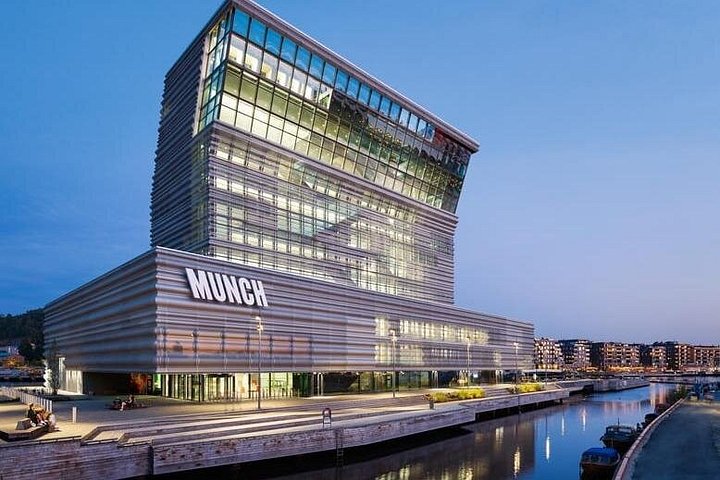
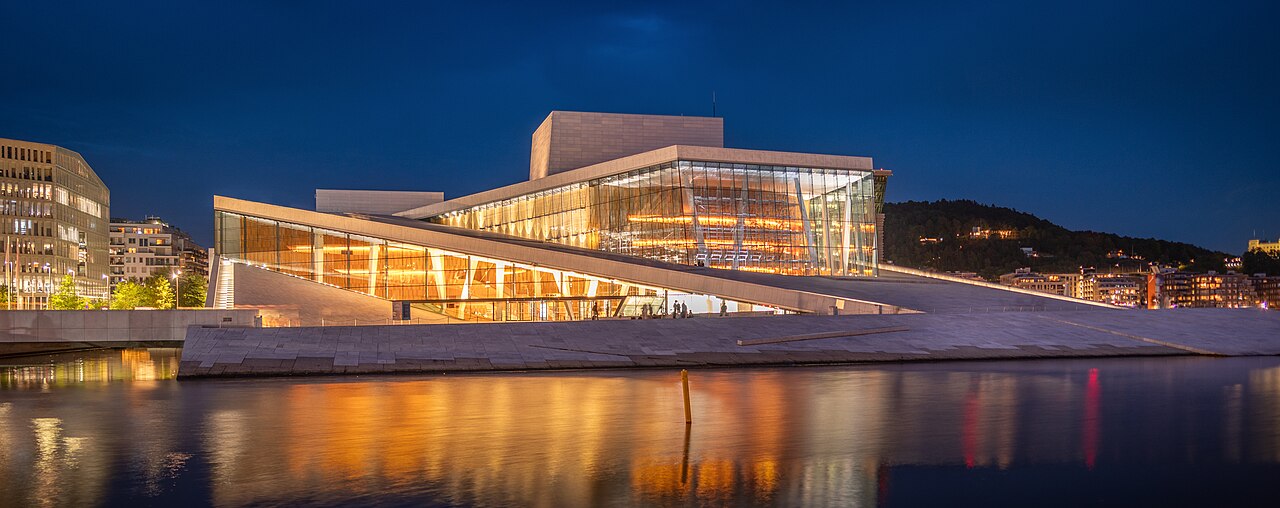
Start at the Opera House, where a ramp of white marble leads up onto the roof for a free view over the fjord and the city. It is an easy walk from there to MUNCH, the tall Munch museum on the Bjørvika waterfront, where a version of The Scream is always on show. Book a timed ticket, because slots go first at popular times. After lunch, follow the harbour promenade west to Akershus Fortress, where the medieval walls and grounds are free to wander and give some of the best views over the water. Finish at Oslo City Hall, free to enter, with its monumental murals and the hall of the Nobel Peace Prize ceremony, and the Nobel Peace Center across the square. If you have energy left, an evening cruise or a drink on the Aker Brygge waterfront is a classic end to the day.
Day two: Bygdøy and the west
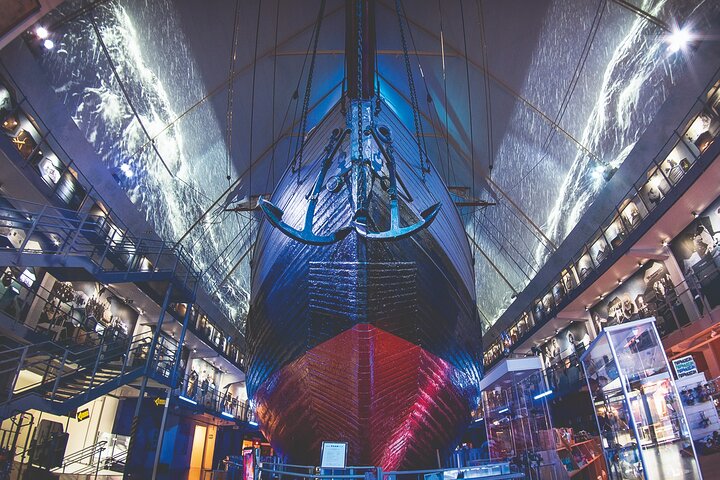
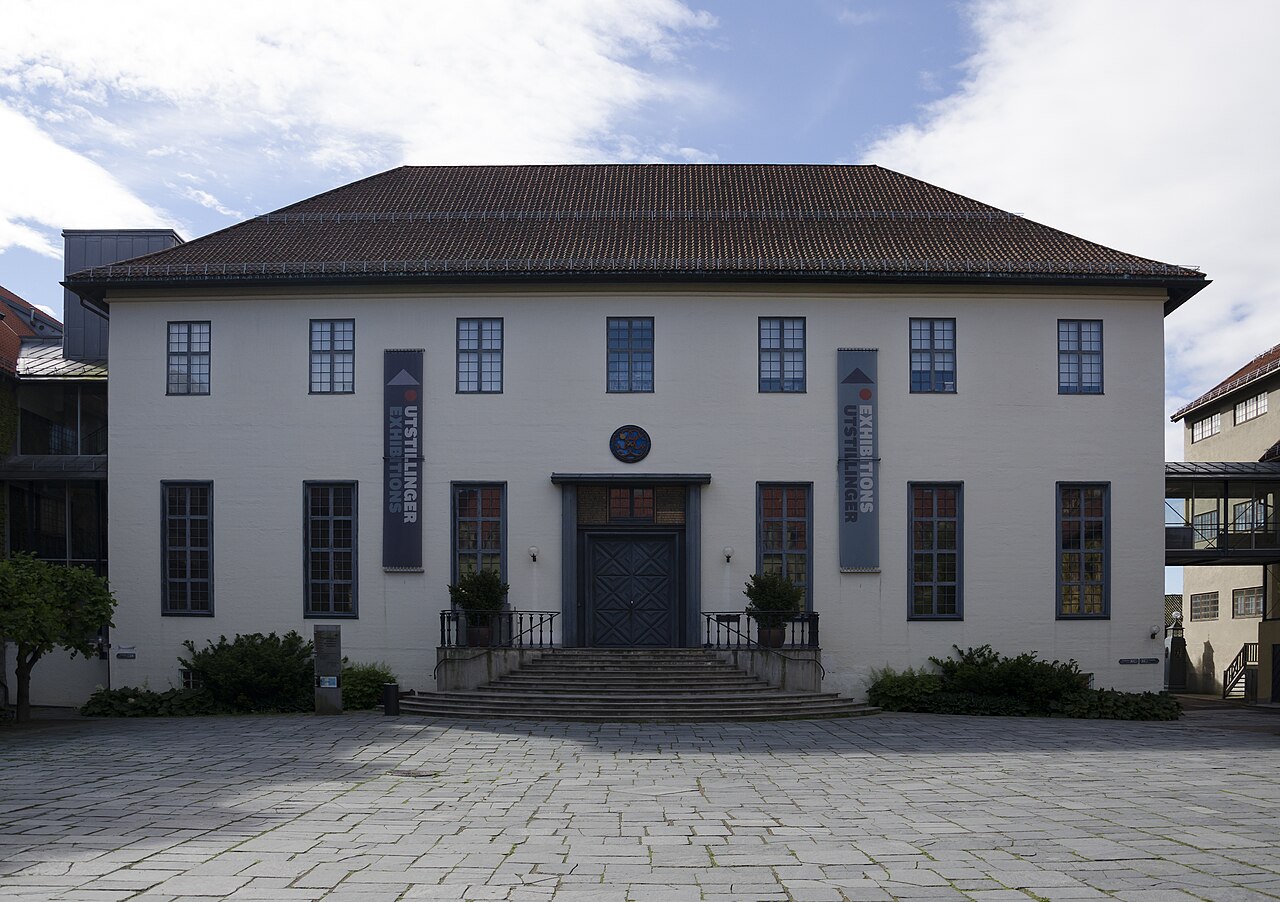
Take bus 30 from the centre to the Bygdøy peninsula, or the seasonal ferry from the City Hall pier in the warmer months. Begin at the Fram Museum, where you can walk the decks of the polar ship that carried Nansen and Amundsen, then walk to the Kon-Tiki Museum for Thor Heyerdahl's balsa raft. Spend the afternoon at Norsk Folkemuseum, the huge open-air museum with its twelfth-century stave church, allowing three or four hours in summer and about two in winter. On the way back, stop at Vigeland Sculpture Park, where more than two hundred sculptures fill the park in the evening light, and it is open and free all day. If you prefer not to organise this yourself, the Oslo Discovery Tour links Holmenkollen, Vigeland and the Bygdøy museums in a single guided outing.
Day three: art, hills and islands
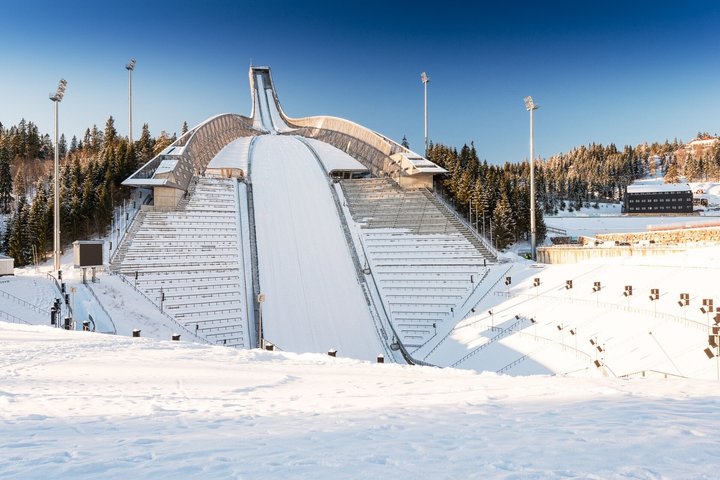
Begin at the National Museum, where the painted version of The Scream from 1893 hangs among Munch's greatest works and the collections cover Norwegian and European art, design and architecture. Book online if you can. After lunch, ride metro line 1 up to Holmenkollen for the ski museum, the jump tower and the panorama over the fjord, a half-day trip that takes you out of the city and into the hills at the edge of the forest. If the weather is good and you have energy, finish the day on the water: either an electric cruise from the City Hall pier or a short public ferry to Hovedøya, the island with the monastery ruins and swimming rocks, which is the most peaceful ending the city offers.
Practical notes
Many museums close one day a week, usually Monday, and the Nobel Peace Center also closes on Mondays, so check before you plan. Use the Ruter app for tickets, and note that one ticket is valid across metro, trams, buses and local ferries. If you will visit several museums and use public transport heavily, the Oslo Pass may pay for itself, but add up the sights first. Norway is almost cashless, so a card works almost everywhere. Lunch is the best-value meal to eat out, and a picnic from a supermarket stretches the budget further.
If you have a fourth day
Walk the Akerselva river path from the forest down through Grünerløkka to Mathallen, the food hall at Vulkan, or take a long day trip to the western fjords. If you have only two days, merge the first and third plans and drop either Bygdøy or Holmenkollen, depending on whether you prefer ships and history or hills and views.
Where to stay
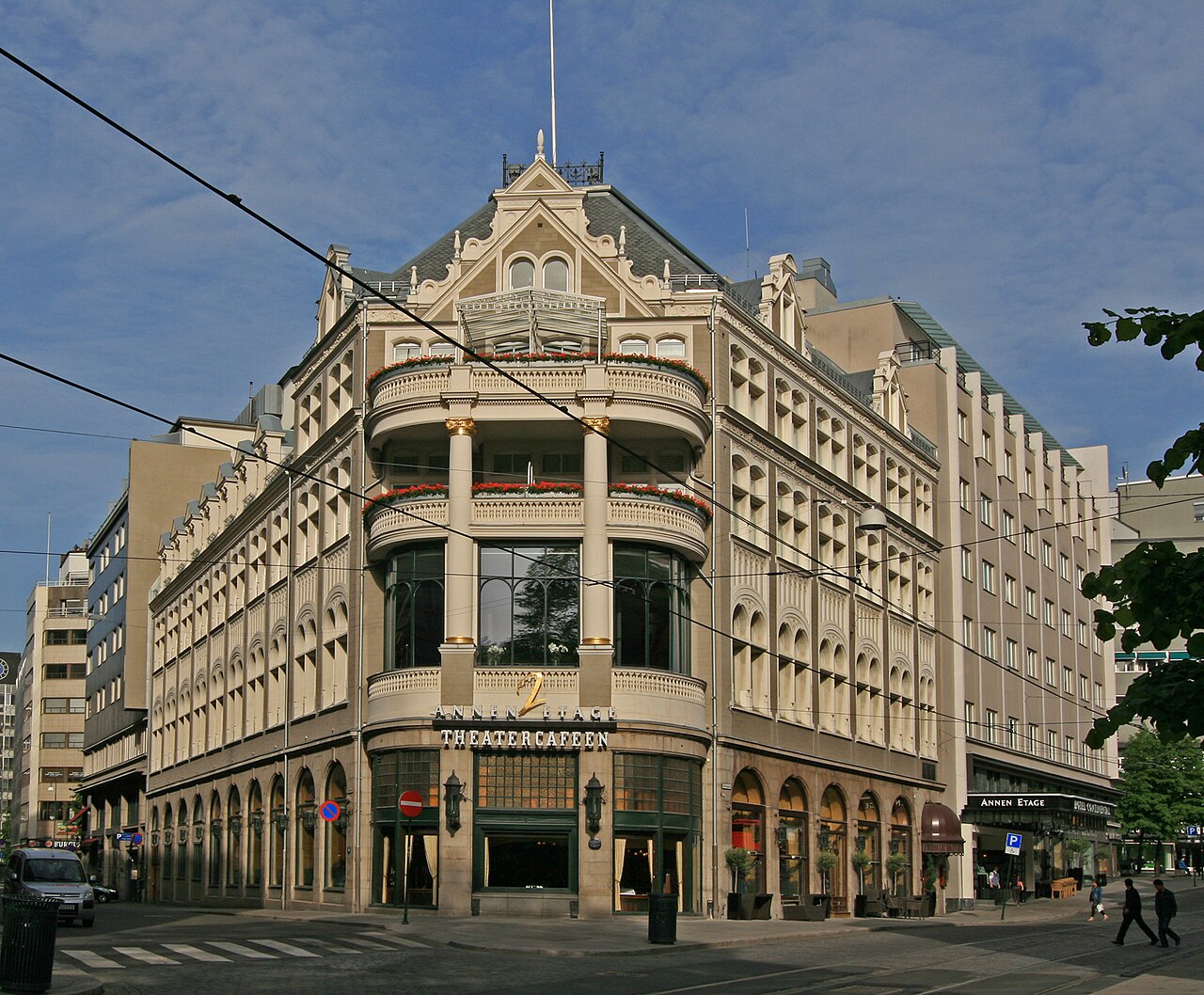
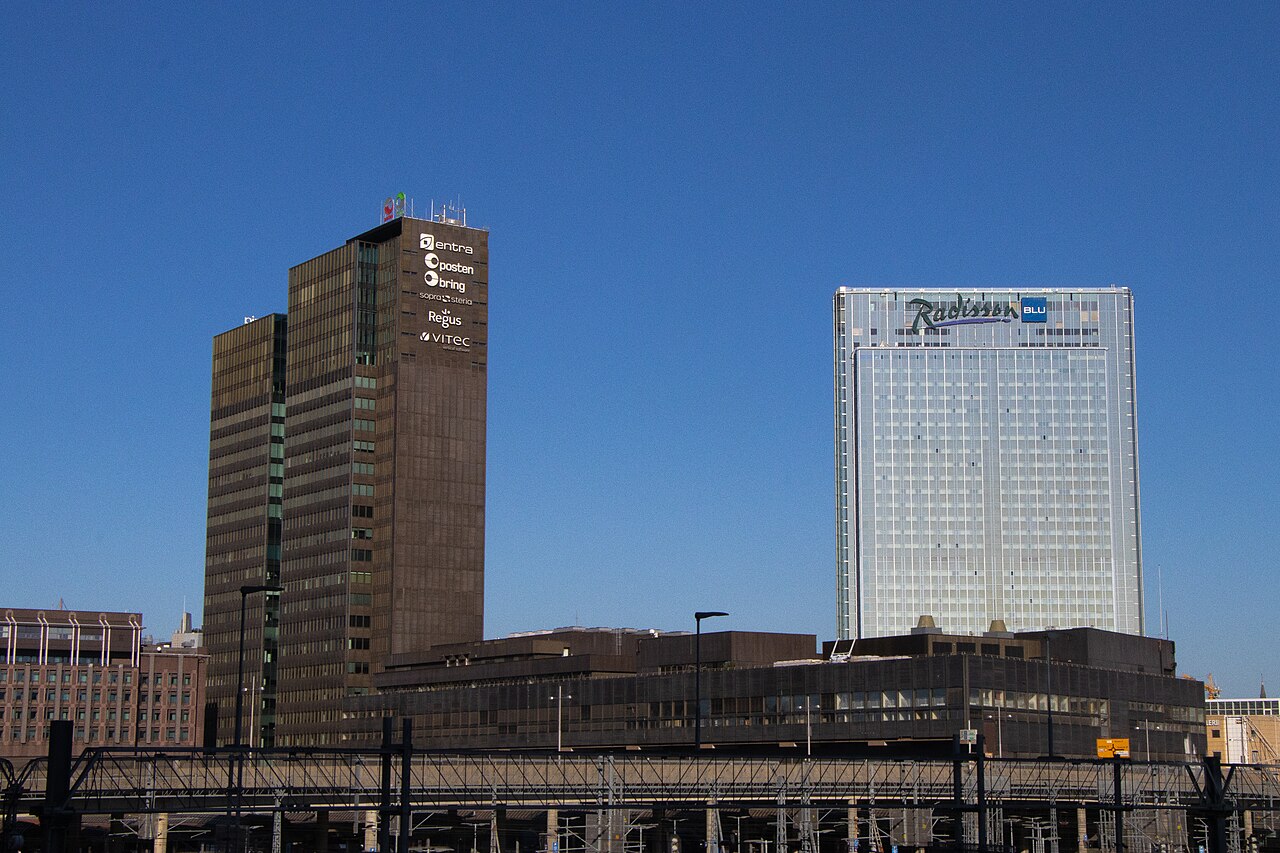
For this itinerary the centre works best. The Grand Hotel and Hotel Continental put you on the classic streets near the Parliament and the National Theatre, while the Radisson Blu Plaza and Amerikalinjen are next to the station for easy airport and metro access. See our guide to the neighbourhoods for the full comparison.