Oslo has a reputation as one of the most expensive cities in Europe, and prices in kroner do add up quickly. The good news is that the city's character, its harbour, parks, forests and public buildings, costs nothing to enjoy, and with a little planning you can see an impressive amount without spending much. This guide gathers the free sights and the habits that keep costs down.
Free sights worth a day
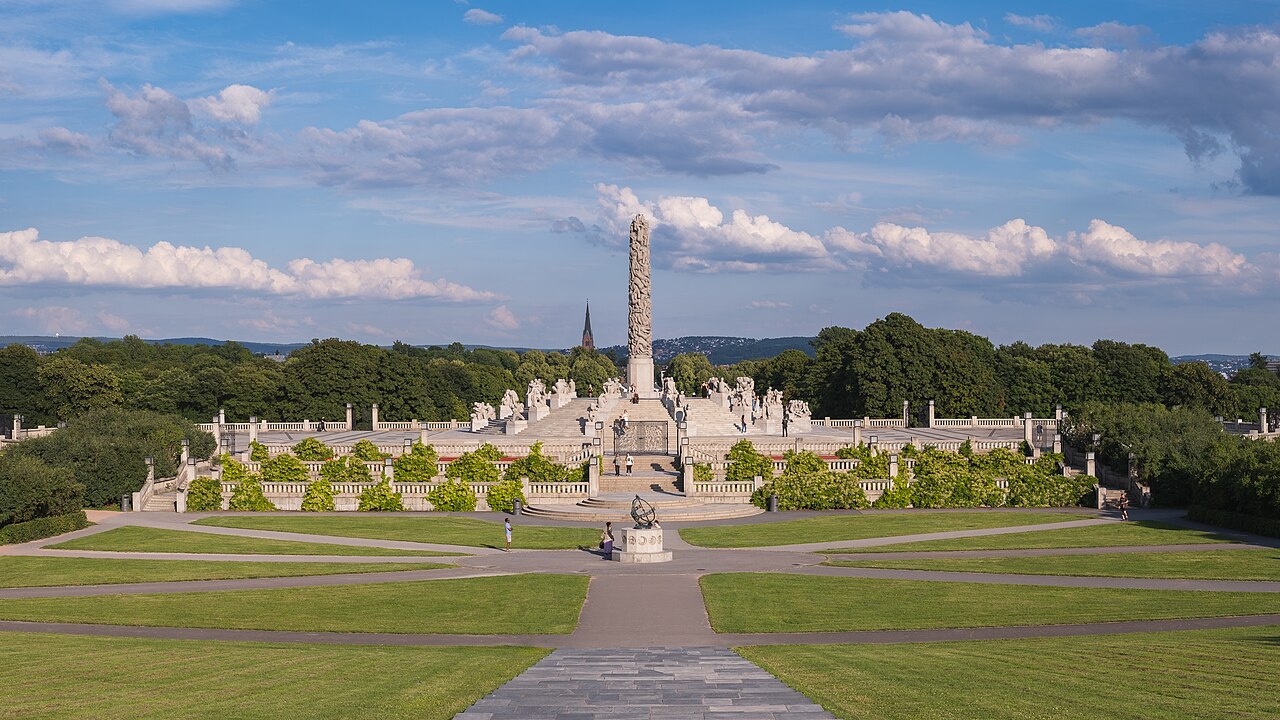
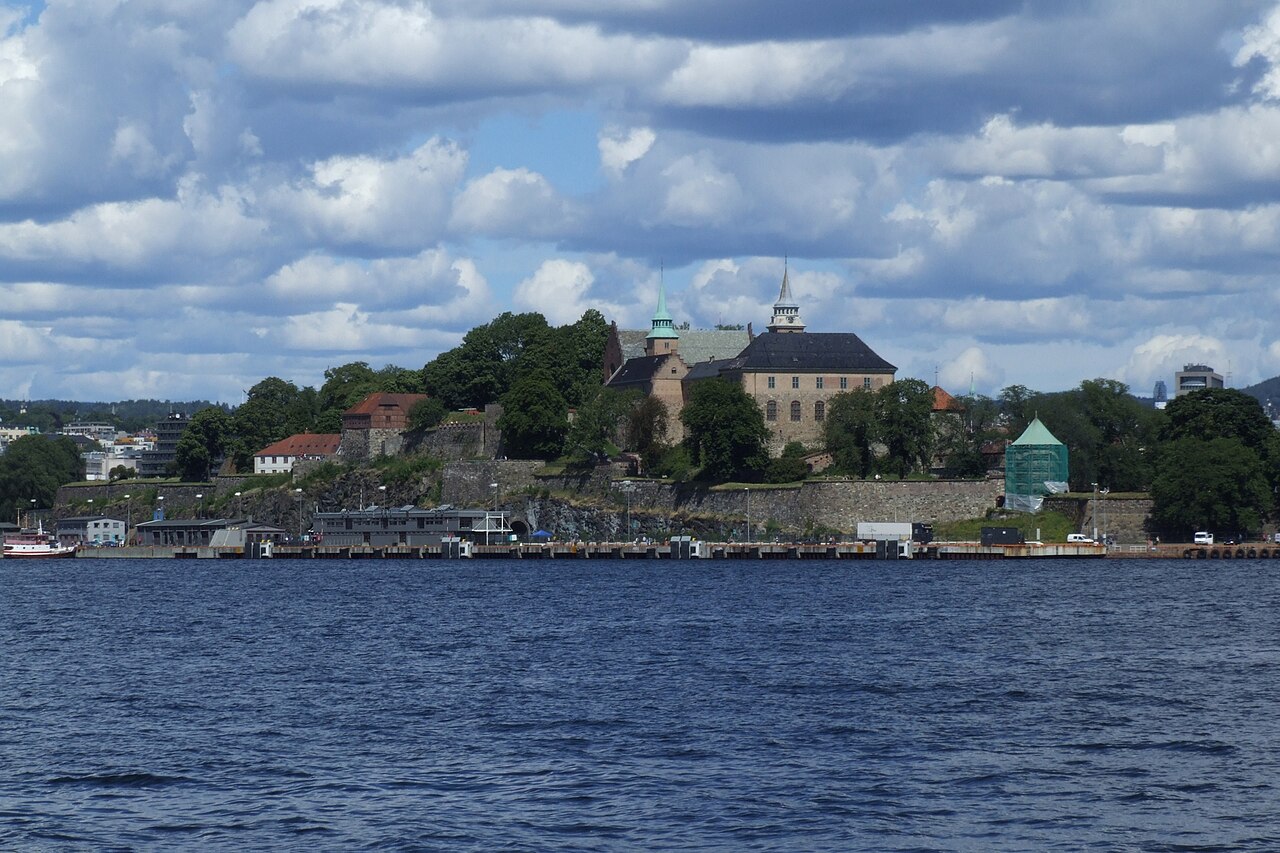
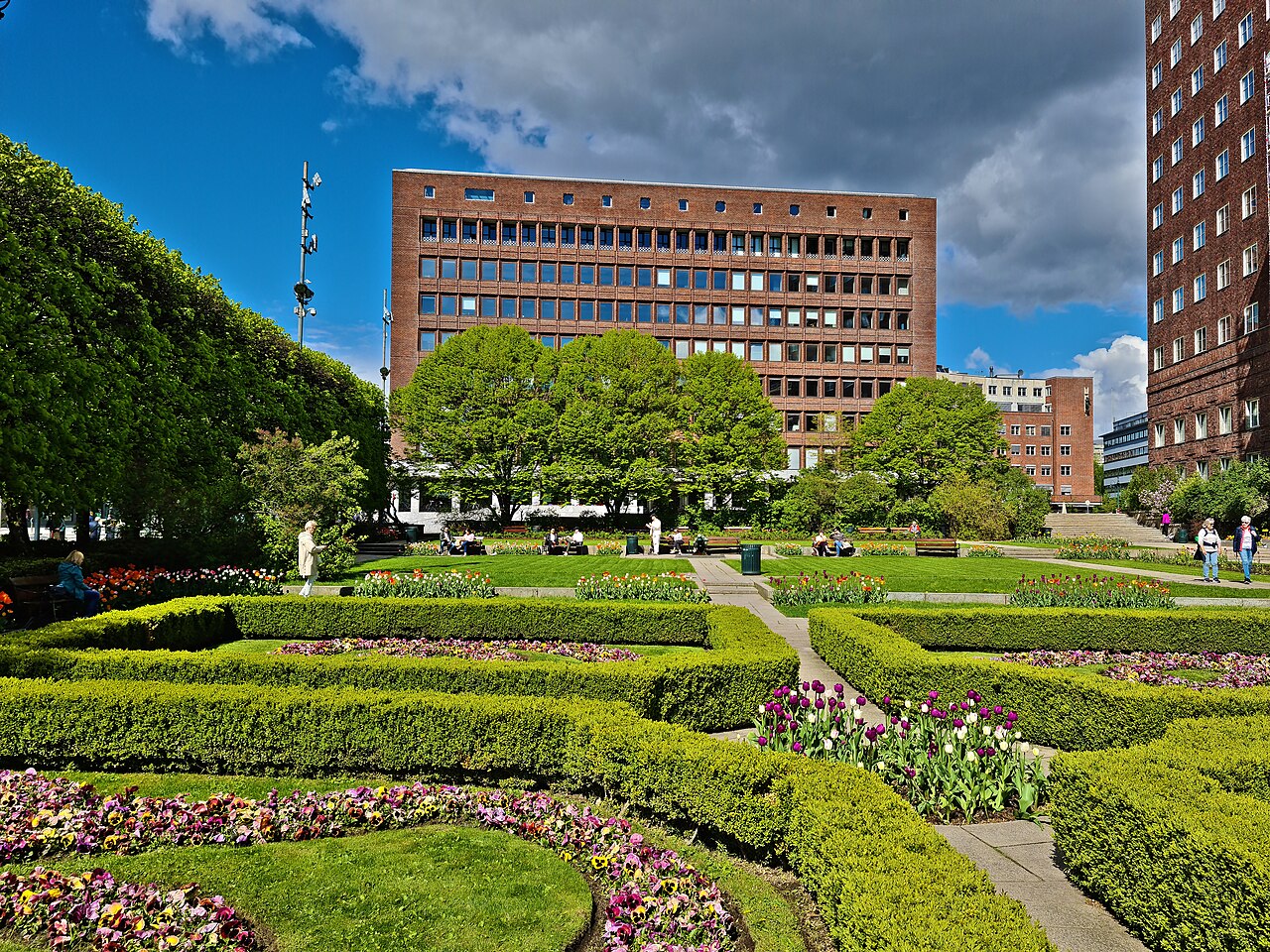
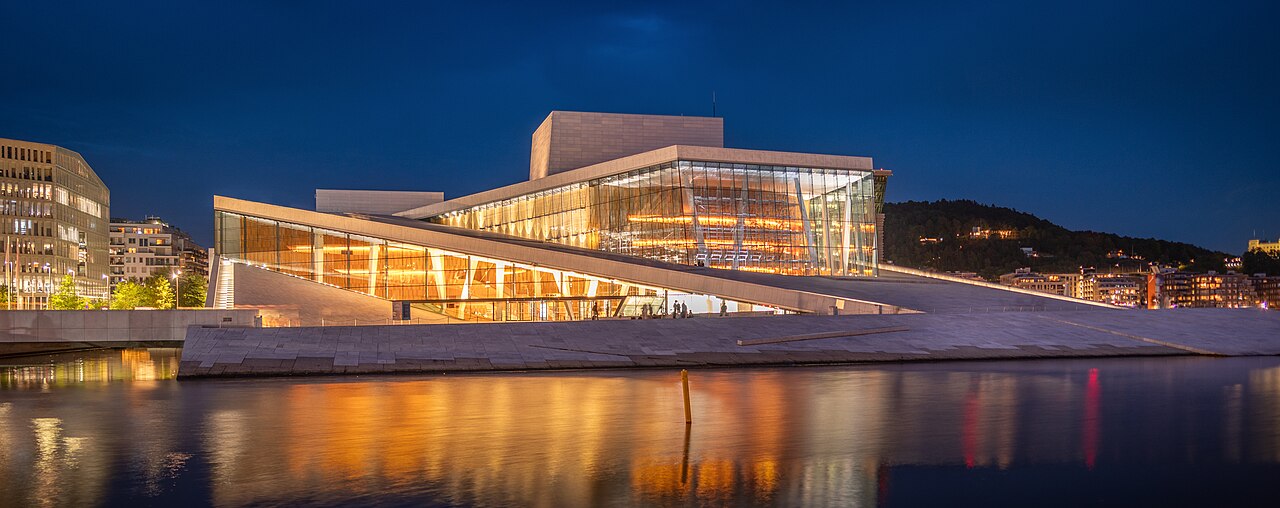
The Opera House is the place to start: you can walk up its sloping marble roof for free, with views over the fjord and the Bjørvika waterfront, and the building is open to wander through. Vigeland Sculpture Park is open all day and entry is free, with more than two hundred granite and bronze figures by Gustav Vigeland arranged along a long axis, ending with the great monolith. Akershus Fortress has free grounds, walls and views, so you can walk the ramparts and the harbour side without a ticket. Oslo City Hall is free to enter and has some of the most impressive murals in the country. The Akerselva river walk, from the forest down to Grünerløkka, is free and gives a different side of the city. Each of these is a half-day of enjoyment on its own.
The fjord for the price of a bus ticket
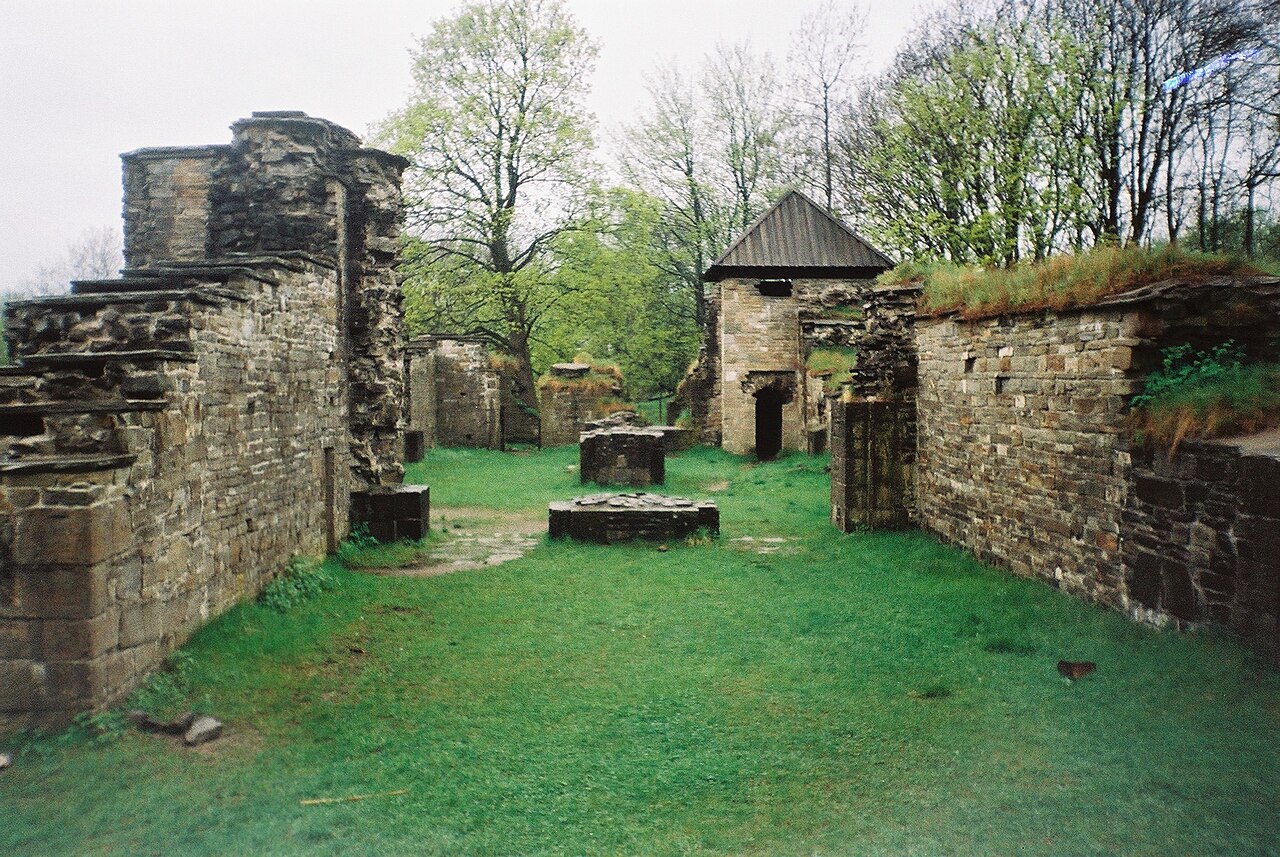
Public ferries are part of the Ruter system, so a normal transport ticket takes you out to the fjord islands such as Hovedøya, where you can walk among monastery ruins, swim from the rocks in summer and picnic with a view back to the skyline. It is one of the best-value outings in the city. In summer, the city also has free places to swim in the fjord, and many locals spend long evenings by the water.
Museums without breaking the bank
Museum tickets are the main cost for many visitors, so choose carefully. If you plan to visit several museums and use public transport heavily, the Oslo Pass can be good value, since it covers many museums and local transport, but add up your plan before buying, and note that pass holders collect timed tickets at MUNCH on site. If you are only interested in one or two sights, individual tickets are cheaper. The Fram and Kon-Tiki museums on Bygdøy are among the best value for their size, and a day on the peninsula takes in a lot for a modest spend.
Transport
Buy tickets in the Ruter app rather than on board, as that is the cheapest way, and remember that a single ticket is valid for a limited period across metro, tram, bus and local ferry, so you can combine journeys. For the airport, compare the express train with the regional trains, which are slower but cheaper. Central Oslo is compact, so walk whenever you can: the harbour promenade connects the Opera House, the fortress and City Hall on foot.
Food and drink
Eat the main meal at lunch, when fixed-price daily dishes offer better value than dinner menus. Use supermarkets for breakfast, picnics and snacks, and fill a bottle from the tap, as the water is excellent. Food halls such as Mathallen let you taste a lot without a full restaurant bill. Alcohol is heavily taxed, so enjoy a drink as a treat rather than a habit.
Where to sleep cheaply
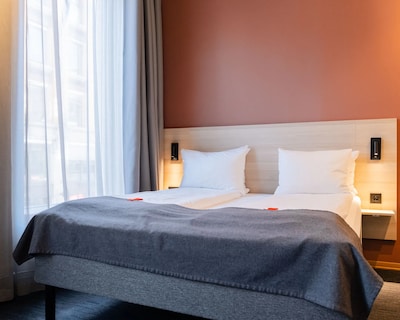
A smart, simple hotel often beats a mid-range one on value. Citybox Oslo, a self-service hotel with compact rooms near the station, is our budget pick, and many Norwegian hotels include a generous breakfast that can serve as lunch. Rates are lowest in late winter and often drop at weekends outside peak season, when business travellers are away, so flexible dates can save a lot.
A free day plan
Start with the Opera House roof, walk the harbour to Akershus, stop at City Hall, then take the tram to Vigeland Park for the afternoon. Finish with a picnic by the fjord or on the river, and you have seen the best of Oslo for the price of a transport ticket.
A last word on prices
Norway uses the krone, and prices are shown in kroner everywhere, so it helps to convert a few common costs in your head before you arrive. Budget for museums as a few big-ticket items and fill the rest of your days with the free sights above, and the total will feel far more manageable than the city's reputation suggests.