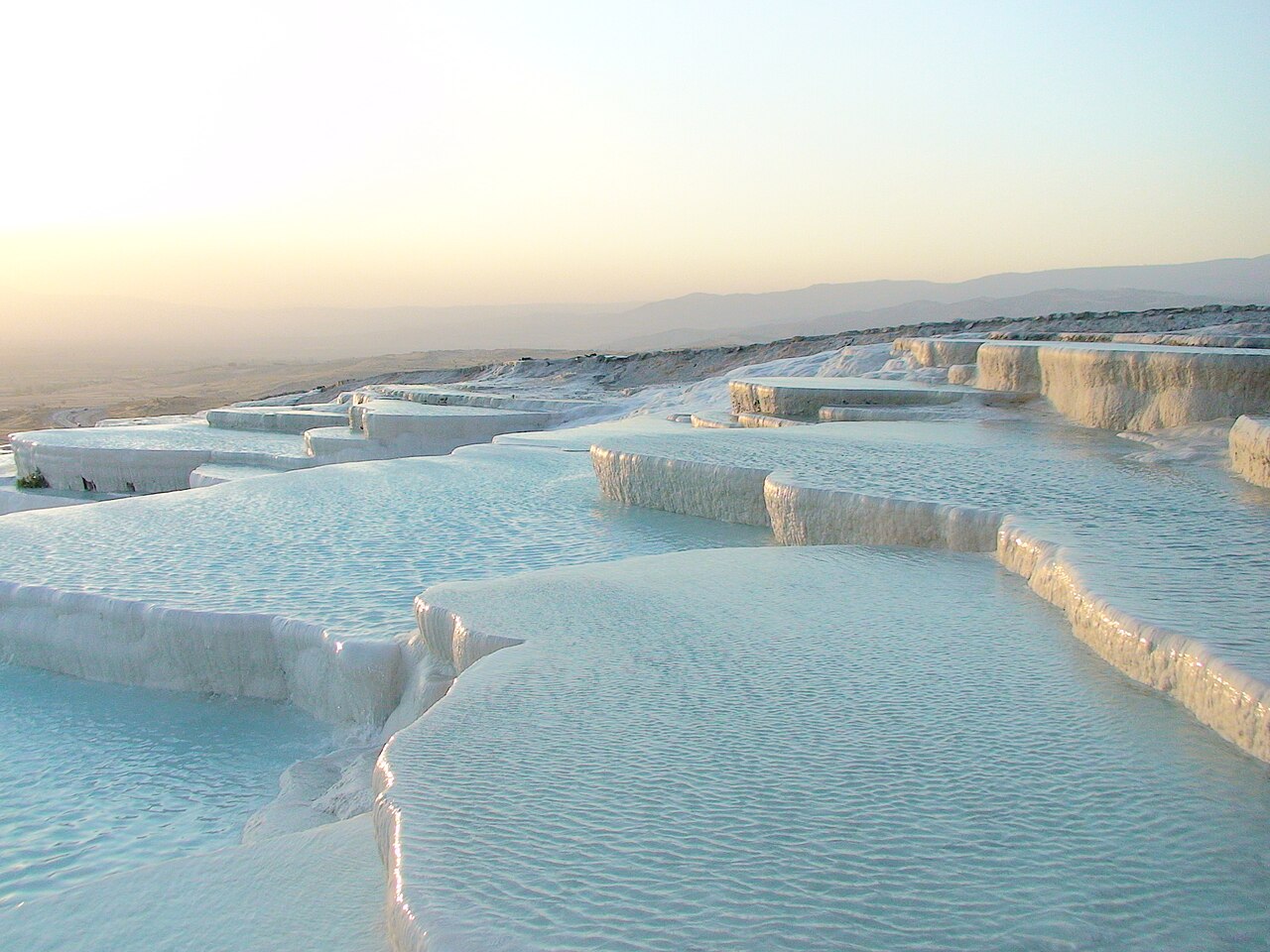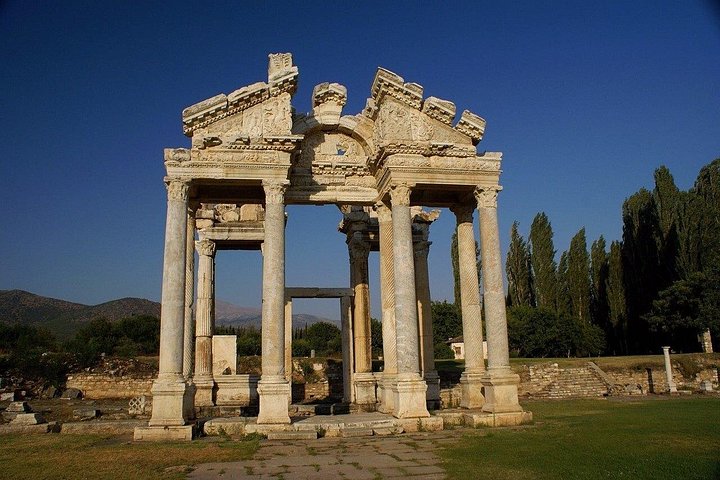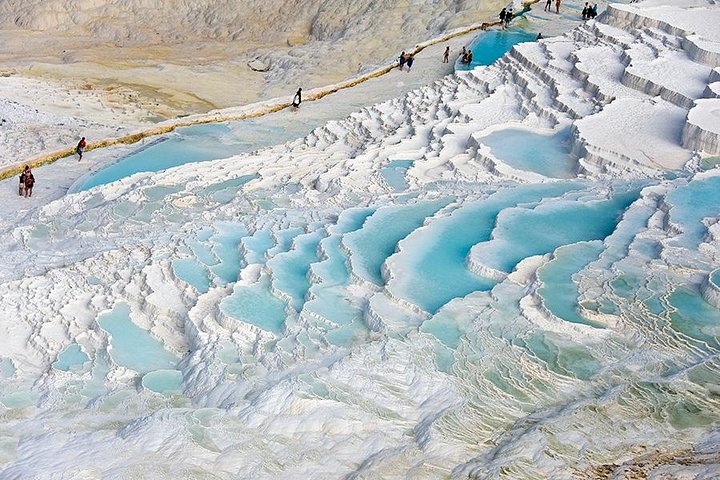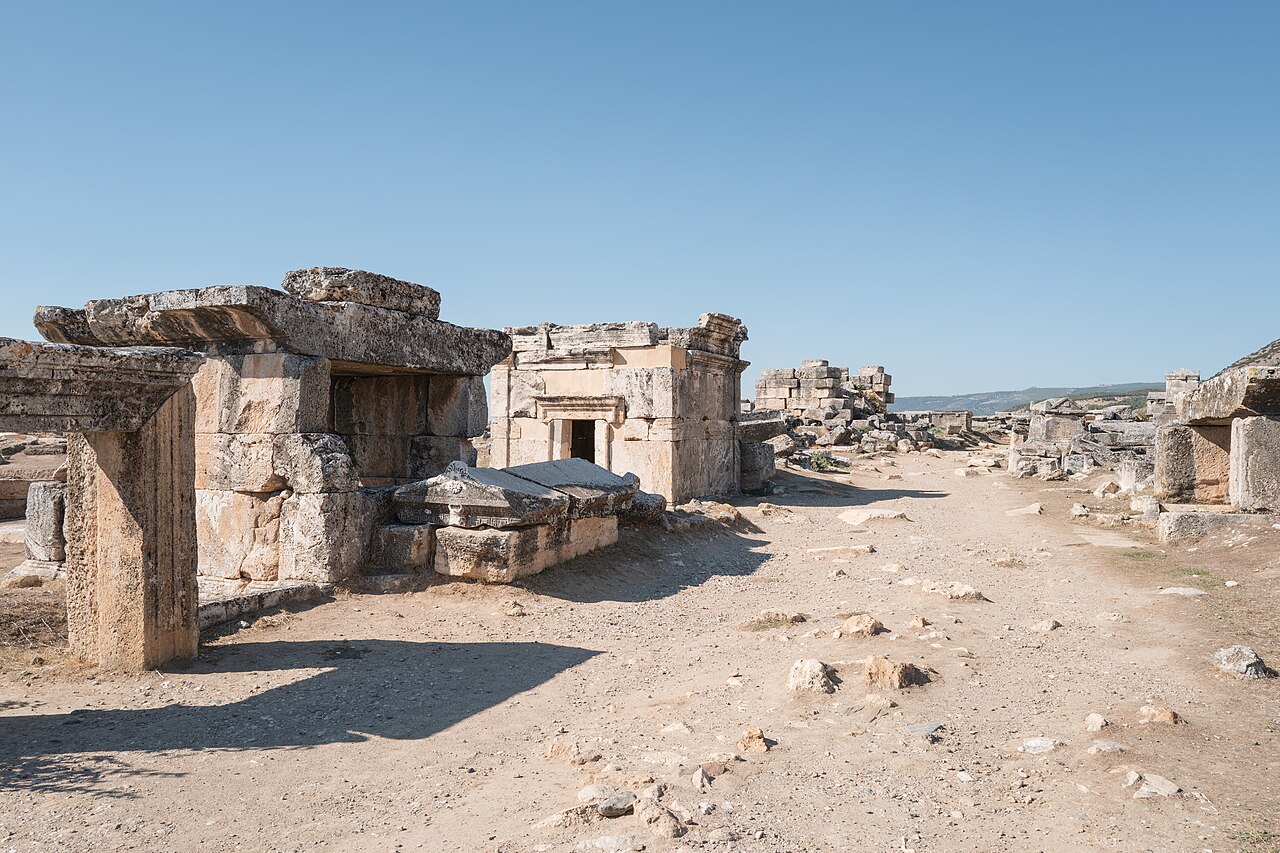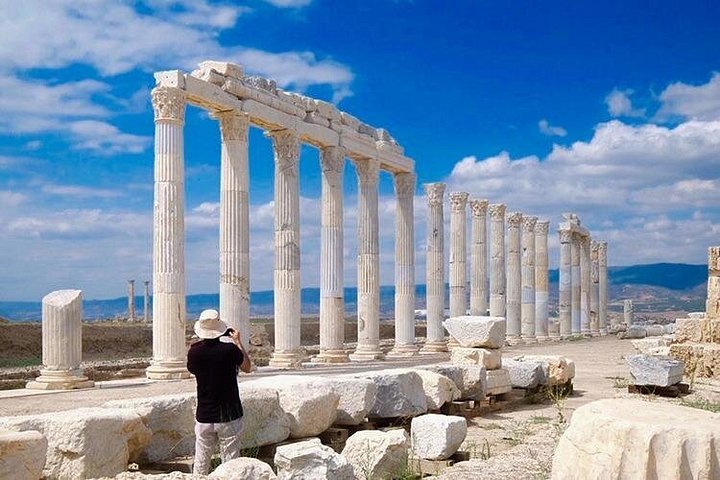
Laodicea on the Lycus was one of the great cities of the Roman province of Asia, a rich trading centre known for fine black wool and for a medical school, and it later became one of the Seven Churches of Revelation in the New Testament. Its ruins lie a short drive from Pamukkale, beside the modern city of Denizli, and they are being excavated and restored year by year. Highlights include the long colonnaded Syria Street, the large stadium, two theatres, a monumental nymphaeum or fountain house, a water tower and a very early church. The site is spacious and quiet, with far fewer visitors than Hierapolis, and new areas are opened as work progresses. Walking the broad marble street between columns and mosaics gives a strong sense of how a wealthy Roman city looked, and the views toward Pamukkale's white slope on the horizon are a bonus. Many Pamukkale visitors skip it, which is a mistake if you enjoy archaeology.
Why visit
Laodicea shows the other side of the valley's history. Where Hierapolis was a spa and pilgrimage town, Laodicea was a commercial city, wealthy enough to rebuild itself after an earthquake without outside help, according to ancient writers. The excavations, led by a Turkish university team, have revealed streets, shops, houses with painted walls and mosaics, and an early church that draws Christian pilgrims. The site is well signposted, with paths, shaded rest points and information boards.
Practical details
The museums portal lists winter hours from 1 October to 30 April of 08:00 to 17:00, with the ticket office closing at 17:00, and summer hours of 08:00 to 21:00. Foreign adults pay a ticket priced in euros, children under eight are free, and the Museum Pass The Mediterranean covers the site. Tickets can be bought online through the museums e-ticket service, and the site has a cafe, toilets, a shop and parking. In winter, arrive in the morning, because the site closes early, and allow time for walking on uneven ground.
Fitting it in
Laodicea sits roughly between Pamukkale and Denizli, so a half-day trip by taxi or private tour is easy, and many guided tours combine it with Pamukkale and Hierapolis. Two hours is enough for the main sights, and three if you like to read every sign. Bring water and a hat, since shade is limited, and wear sturdy shoes. If you are only in the valley for one day, prioritise Pamukkale and Hierapolis, but with two days, Laodicea is the most rewarding second stop.
What to expect
The experience
A self-guided walk through a large, partly restored Roman city with a colonnaded street, theatres and a stadium.
Best time
Morning in winter, because the site closes at 17:00; any time of day in summer, avoiding midday heat.
How long
Two to three hours for the main sights.
Tips
Wear sturdy shoes, carry water and a hat, and buy your ticket online or at the gate.
Quick picks
- Best for
- Ruins lovers and anyone who wants Roman history without crowds.
- Families
- Older children enjoy the stadium and theatres; there is little shade, so bring water.
- Couples
- A quiet, spacious wander along the colonnaded street.
- Pair with
- Pamukkale and Hierapolis on a combined day, or a thermal soak afterwards.
- Time needed
- Half a day including the transfer.
Good questions
How far is Laodicea from Pamukkale?+
It is a short drive away, between Pamukkale and the city of Denizli. A taxi, private transfer or combined tour makes it easy.
What are the winter hours?+
The museums portal lists 08:00 to 17:00 from 1 October to 30 April, with the ticket office closing at 17:00. In summer it stays open until 21:00.
What are the highlights?+
Syria Street with its columns, the stadium, two theatres, the nymphaeum, a temple and an early church. New areas open as the excavations continue.
Is it crowded?+
No, it is much quieter than Hierapolis, even in high season. That is part of the appeal.
Can I use a museum pass?+
The Museum Pass The Mediterranean is listed as valid at the site, but it is not valid for night visits. Check before you buy.