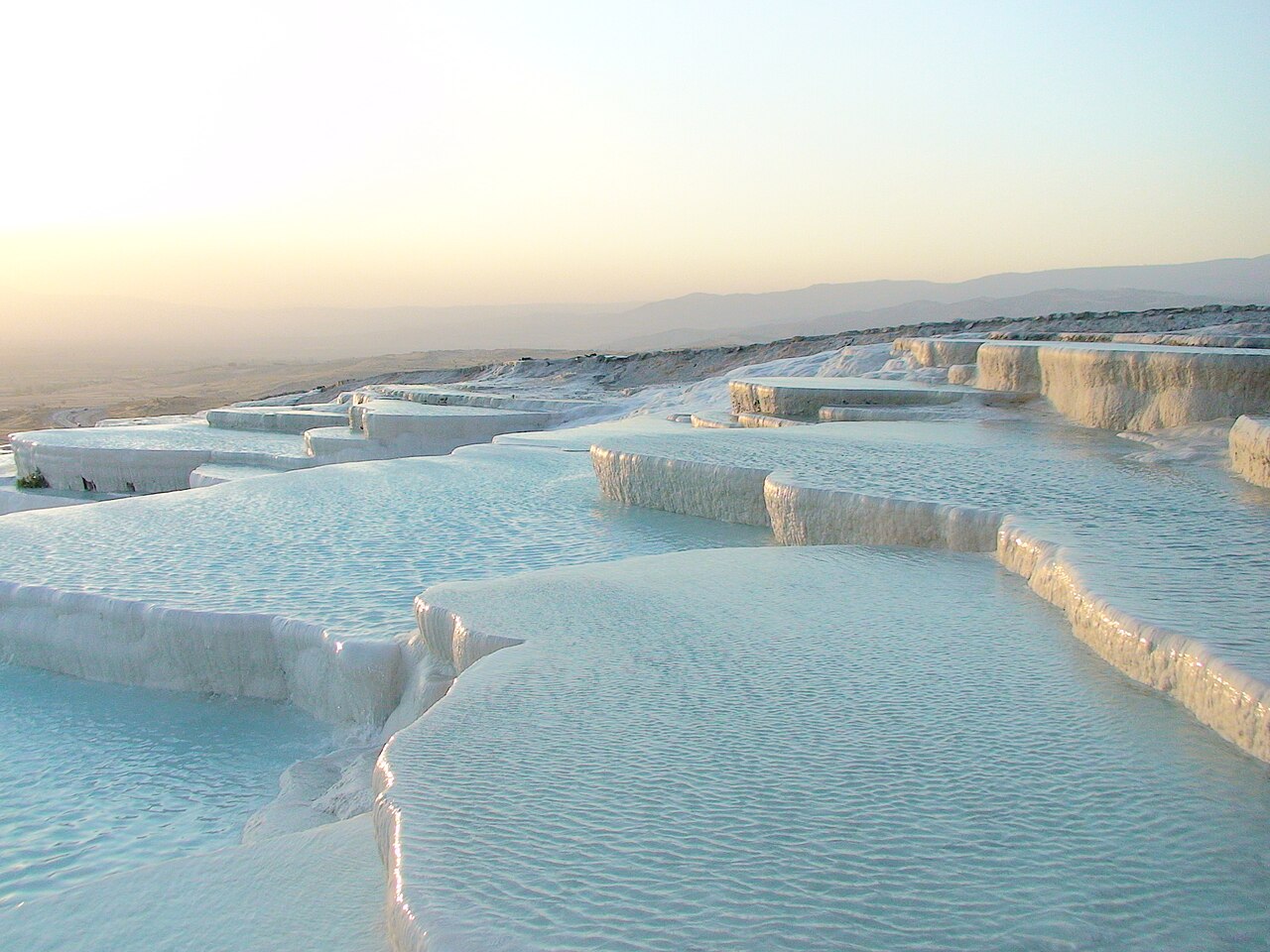
Pamukkale and Hierapolis reward a guide more than most sites. The white travertine terraces explain themselves, but the ancient city above them does not: most of its columns, tombs and bath buildings carry no signs, so a first visit on your own can turn into a pleasant walk past unidentified rubble. A small-group guided tour solves that. You walk the terraces and the ruins with a local guide who explains how the spring water builds the white pools, who founded Hierapolis and why it became a famous spa town, and what each major building was used for. Groups are smaller than a coach tour, which means you can ask questions, set a sensible pace and actually hear what is being said at the theatre, the Temple of Apollo and the colonnaded main street. Tours of this type usually include transport from your hotel in the Pamukkale area and a few hours on site, and they suit travellers who want context without committing to a full-day private arrangement.
What the tour covers
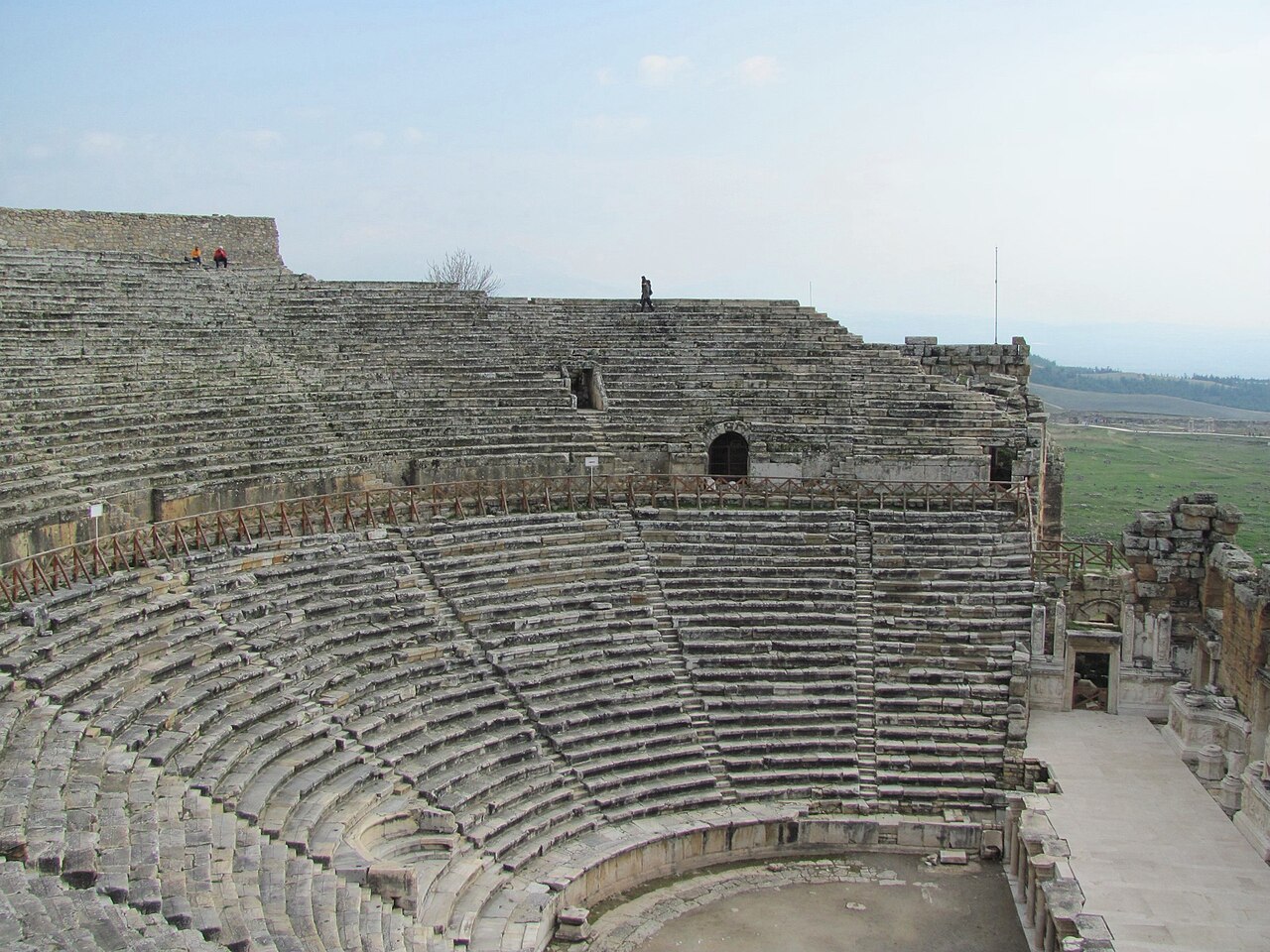
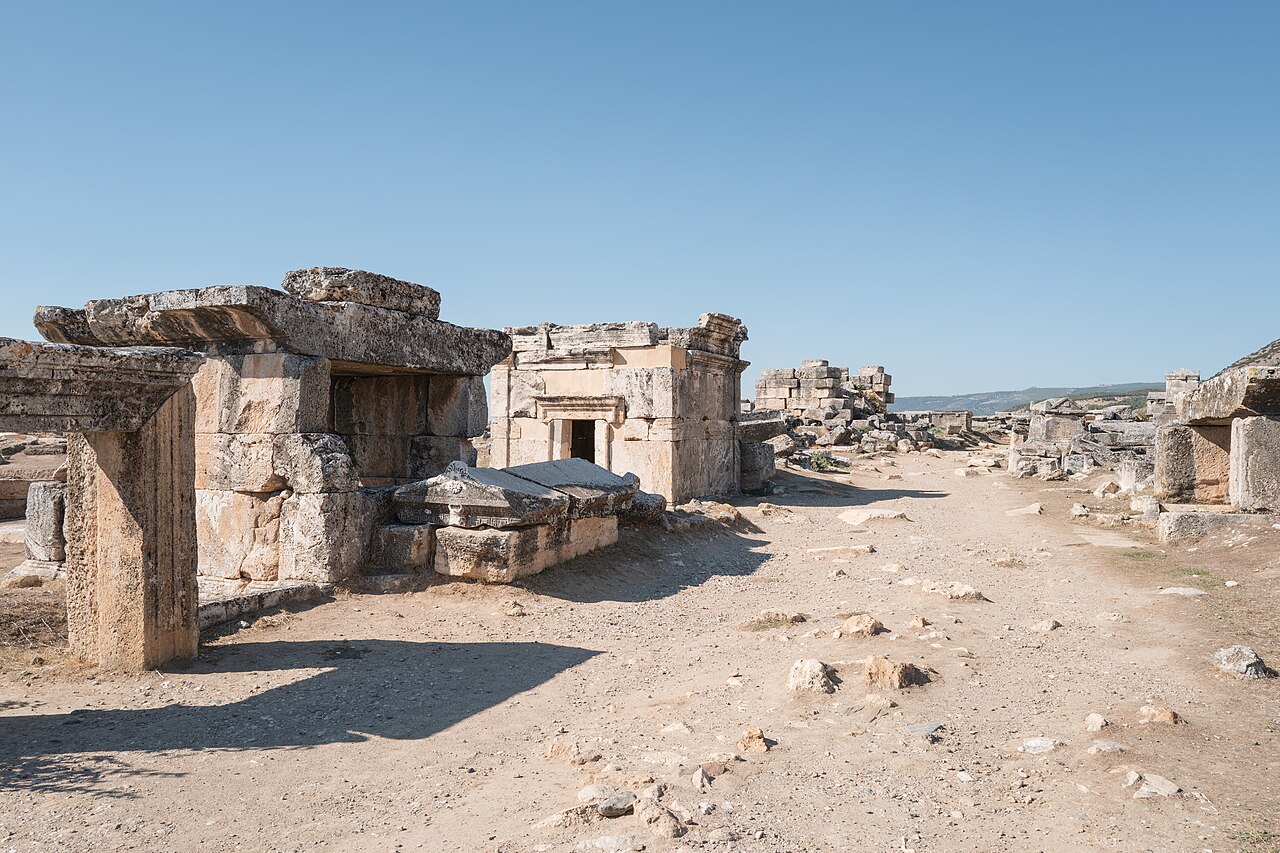
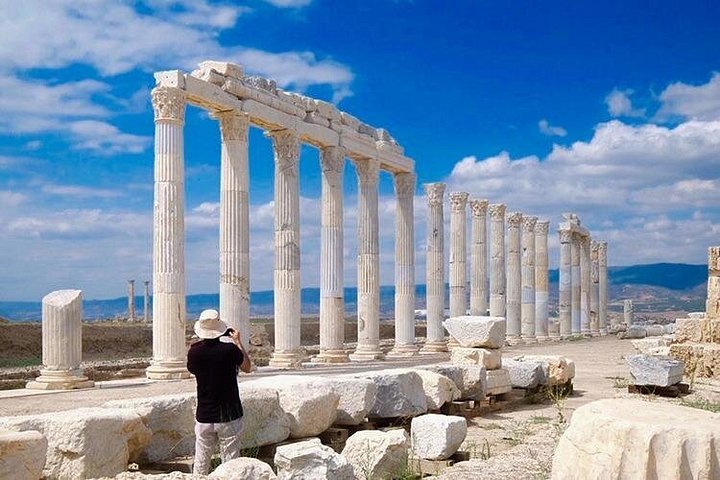
The usual route enters at one end of the site and works toward the other, so you walk downhill rather than climbing the slope twice. Expect time on the travertine terraces, where you remove your shoes and wade through shallow warm pools, then the main streets and monuments of Hierapolis, including the Roman theatre, the Temple of Apollo and its sacred spring, the Plutonium, and the long necropolis of tombs outside the city walls. A guide will point out details you would walk past alone, such as the carved sarcophagi, the water channels that fed the baths and the Byzantine gate at the northern end.
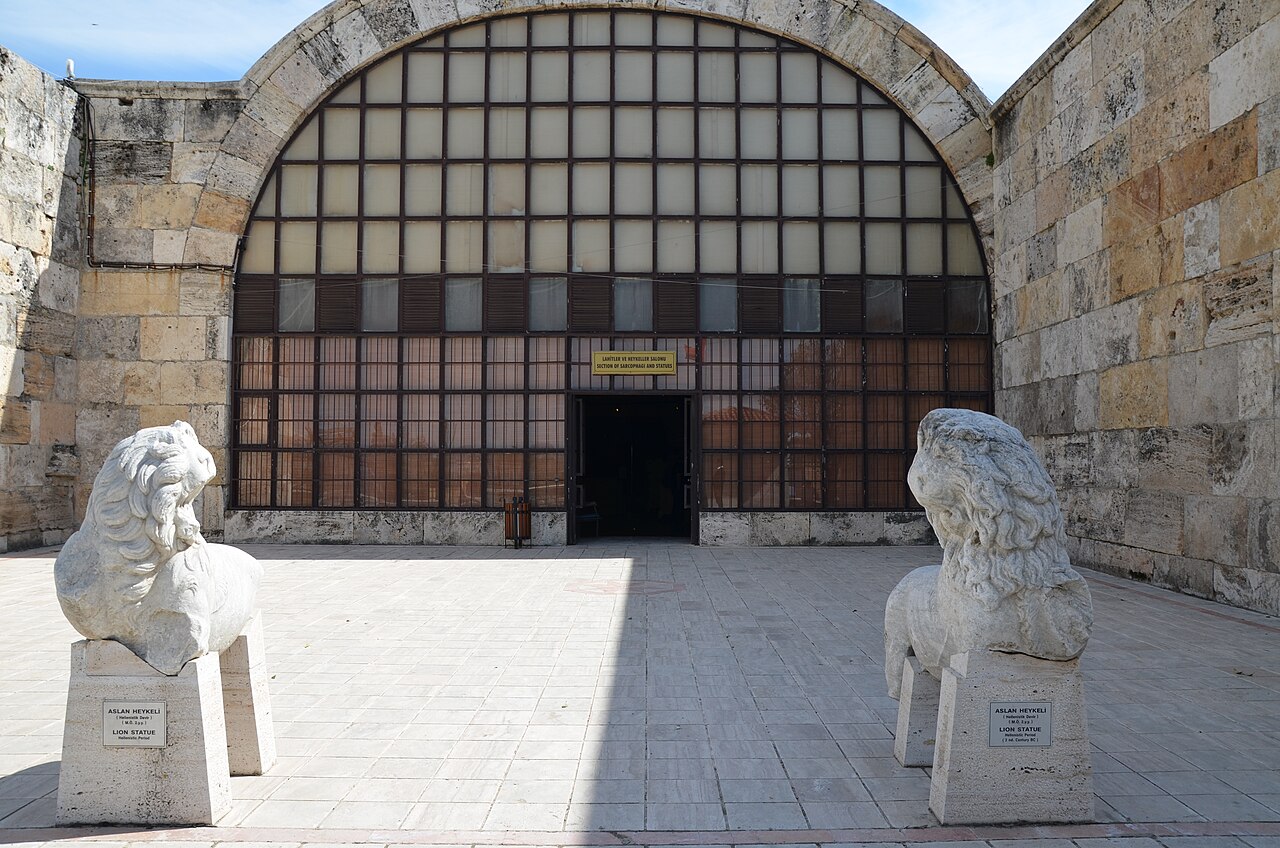
Check the tour description for whether the archaeology museum and Cleopatra's Antique Pool are included, because both can carry their own fees. Guides also tend to know the quieter corners of the site, such as the stretch of tombs near the northern gate, where you can stand among the monuments with almost nobody else around, and they can tell you which viewpoints catch the terraces best in the light of the day you visit.
Who it suits
First-time visitors, history lovers and anyone arriving without a car will get the most from a guided format. It is also a comfortable choice for travellers who dislike working out entrance gates, timings and routes. Families can join, though very young children may tire on the long walk, and the group pace is steady rather than rushed.
If you would rather wander at your own speed, the standard site ticket is the better choice, and you can always add a guide later on the day. Many visitors find that a guided morning followed by a free afternoon is the best of both: the context comes first, and you can then return to your favourite spots alone.
Practical tips
Wear shoes you can slip off, because shoes are not allowed on the travertine terraces, and bring a swimsuit and towel if you plan to use the antique pool afterwards. Sun protection matters in summer because there is little shade on the white slopes, while in winter a light jacket helps in the morning.
Carry water and some small cash for the pool, cafes and tips. Ask your guide to leave you at the site if you want to stay on after the tour ends, and confirm the pick-up point and time the evening before.
What to expect
The experience
A guided small-group walk through the travertine terraces and the main monuments of Hierapolis, usually with hotel transfers.
Best time
Morning departures give the softest light on the terraces and the thinnest crowds.
How long
Allow a half day to a full day, depending on the programme and whether time at the pool is included.
Tips
Slip-off shoes, a swimsuit for the antique pool, water, sun protection and a small amount of cash.
Quick picks
- Best for
- First-time visitors who want the history explained, not just the views.
- Families
- Children who enjoy stories can follow along well; very young ones may tire on the long walk.
- Couples
- A relaxed way to share the ruins with someone, with the planning done for you.
- Pair with
- The archaeology museum, Cleopatra's Antique Pool and a thermal soak in Karahayit.
- Time needed
- Plan on four to six hours on site, plus transfer time.
Good questions
Is this better than visiting on my own?+
If you want the ruins explained, yes. Most monuments at Hierapolis are unlabelled, so a guide adds context you would not get from a standard site ticket.
How big are the groups?+
Small-group tours keep numbers well below a coach tour, which makes questions and a steady pace easier. Check the group size stated on the tour page before you reserve.
Are entrance fees and the antique pool included?+
This varies by programme. Read the inclusions on the tour page, and expect the antique pool to be a separate payment in most cases.
Can I stay on at the site after the tour?+
Usually yes, if you arrange it with your guide and are happy to make your own way back, but confirm this at the start.
What should I wear?+
Comfortable walking shoes you can remove easily, a hat in summer, a light layer in winter and a swimsuit if you plan to swim.