The Roman theatre of Hierapolis climbs the slope above the main part of the ancient city, and from its upper rows you look straight out over the valley toward the plain of Denizli. Most guides date its main construction to the reign of the emperor Hadrian in the early second century AD, with further work under Septimius Severus a century later, and it could seat somewhere around twelve thousand people. That makes it a large theatre for a spa town, and a reminder of how rich and busy Hierapolis was when pilgrims, invalids and merchants filled its streets. The seating bowl, the semicircular orchestra and a good deal of the stage building still stand, and restoration by archaeological teams over recent decades has put many fallen blocks back where they belong. What makes the theatre special is the decoration of the stage front. Rows of columns, niches and carved friezes survive in places, with reliefs that show the gods linked to the city, among them Apollo, Artemis and Dionysus, along with scenes tied to local festivals and the imperial family. You can see how the building was designed to impress: the actors performed in front of a tall, colourful marble backdrop, and the acoustics carried voices to the highest seats. Walk the lowest row to read the reliefs, then climb to the top for the view, which many visitors rank above the terraces for pure scenery.
Where it sits
The theatre is part of the main Hierapolis ticket and lies on the hillside near the middle of the site, a short climb from the Temple of Apollo and the sacred pool area. If you enter by the north gate you pass the main colonnaded street first and reach the theatre after a steady uphill stretch.
From the south gate it is a longer walk through the ruins. Either way, allow time, because the ground is uneven and the steps are large and sometimes worn. Sensible shoes matter more here than on the soft travertine, and a hat helps because there is almost no shade on the seating.
How to visit
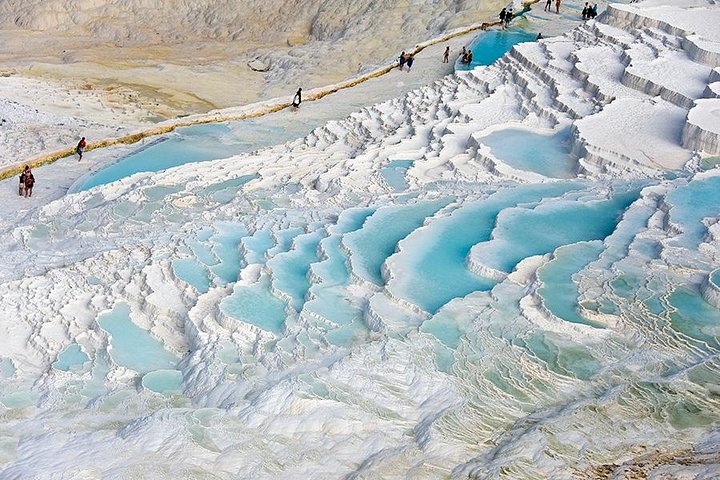
Walk down through the orchestra and the stage area first, because the carved details are easiest to appreciate at close range. Then climb the aisles to the top rows for the panorama, where you can pick out the plain below, the line of the old city walls and, on a clear day, the pale scar of the terraces.
Some sections of seating may be roped off while conservation continues, and the tiers are steep, so take your time on the descent. Information boards are limited, which is why many visitors find that a guide or an audio tour adds a great deal of context to the stones.
When to go
The theatre is wonderful in early morning, when the stone is cool and the light is low, and in late afternoon, when the seats glow gold and the day-trip coaches have left. Midday in summer can be punishing on the exposed tiers. In the cooler months the open site is pleasant at almost any hour, though wind can pick up on the hillside, so keep a light layer in your bag.
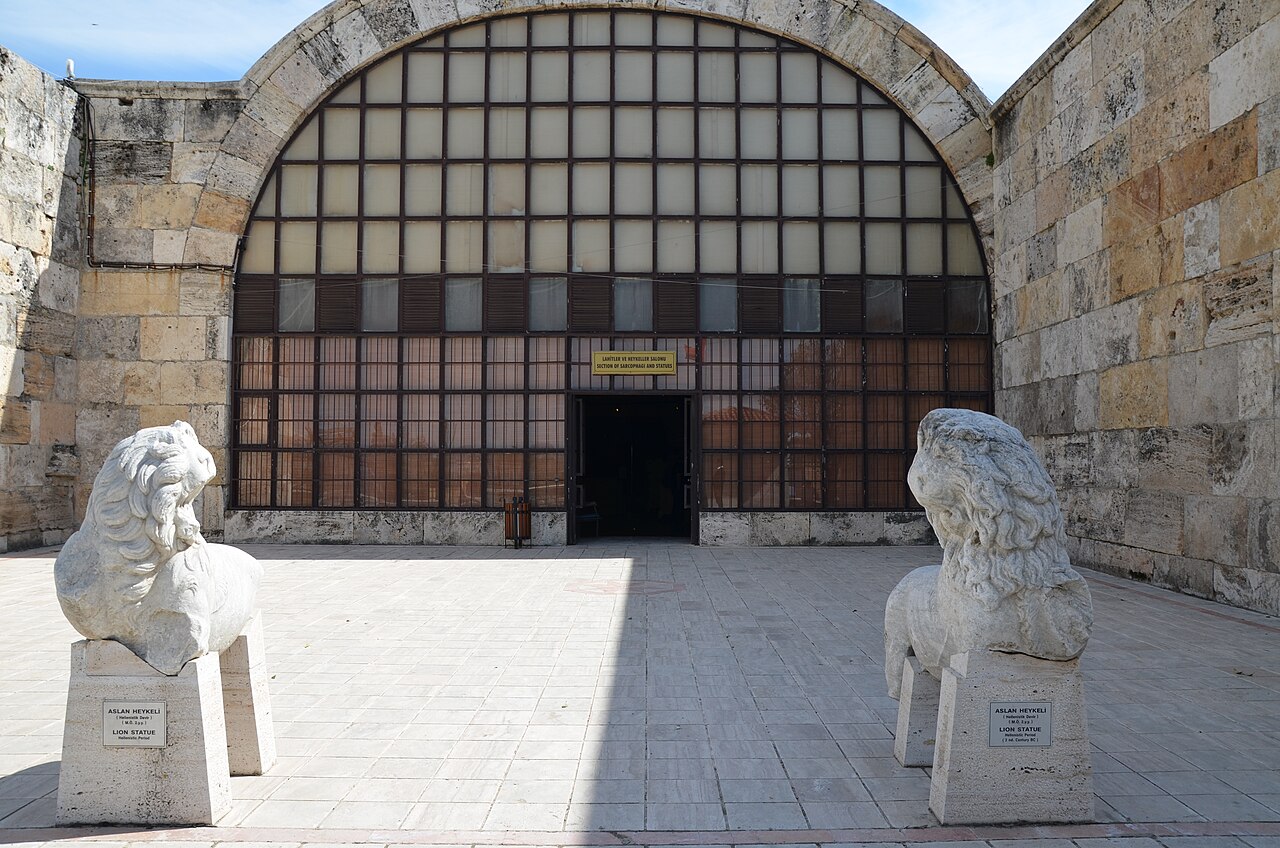
Pair the theatre with the Temple of Apollo and Plutonium nearby, and with the archaeology museum, where some of the sculpture that once decorated the stage building is displayed. Two hours is a comfortable allowance for the theatre and its surroundings, including time to sit and take in the scale.
Context and extras
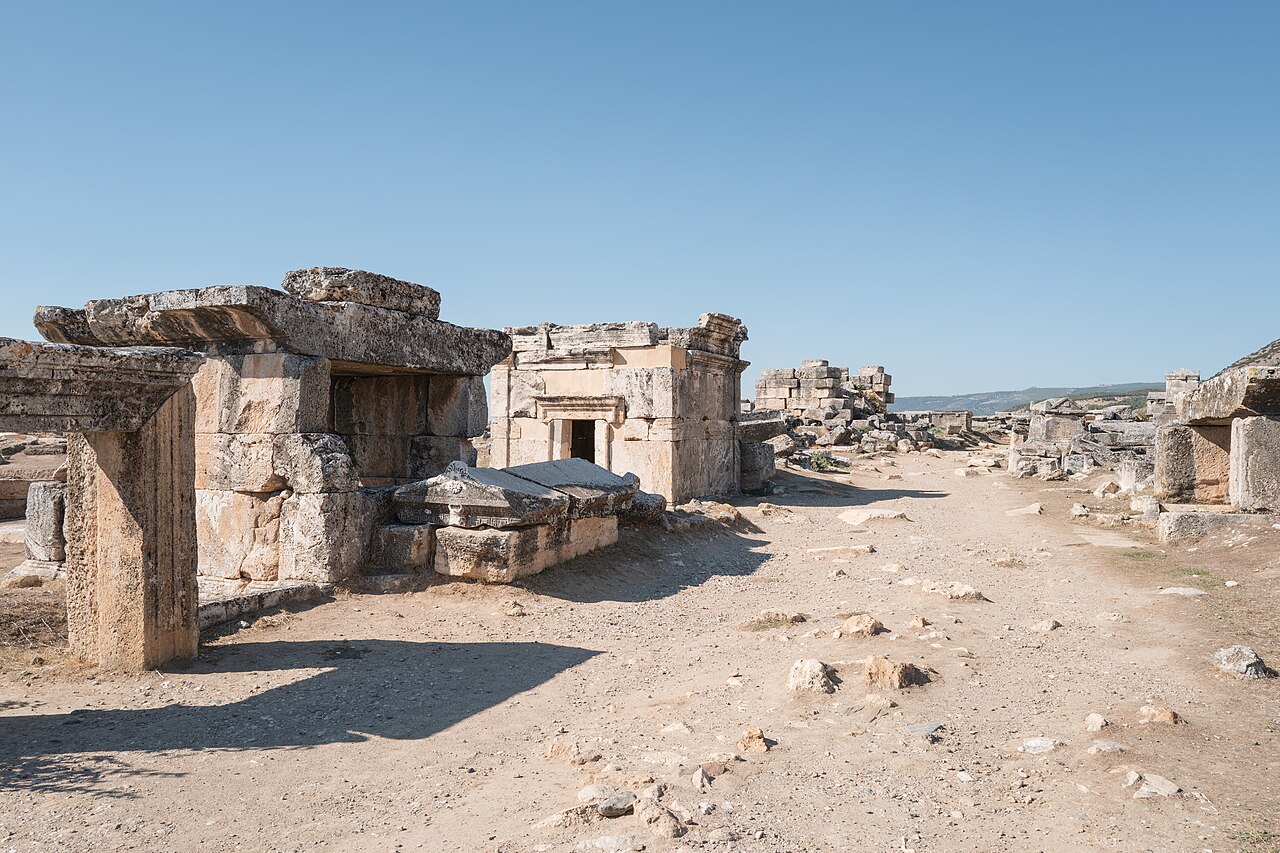
The theatre was one of several public buildings that made Hierapolis a proper Roman city, alongside baths, a main street, a gymnasium and a great agora. It hosted plays, music and civic gatherings, and some later periods saw it adapted for other uses.
If you enjoy photography, try the view from the aisle at the top, where the curve of the seating frames the plain, and the carved blocks of the stage building make good close-up subjects. Remember that the stones can be hot to sit on in summer and cold in winter.
What to expect
The experience
A self-guided climb through the seating bowl and stage area of a large Roman theatre inside the main Hierapolis site.
Best time
Early morning or late afternoon, when the stone is cooler and the light is soft.
How long
One to two hours including the climb and time at the top for the view.
Tips
Wear shoes with grip, carry water, and take the steps slowly because the tiers are steep and uneven.
Quick picks
- Best for
- Visitors who want a big, atmospheric Roman monument with a view.
- Families
- Older children enjoy the climb, but watch the steep tiers and the open edges.
- Couples
- Sit in the upper rows in late afternoon and watch the valley turn gold.
- Pair with
- The Temple of Apollo and Plutonium, the archaeology museum and the terraces.
- Time needed
- Allow one to two hours.
Good questions
Is the Hierapolis Theatre included in the Pamukkale ticket?+
Yes, the theatre is inside the ancient city of Hierapolis, which is covered by the main site ticket.
How old is the theatre?+
Its main construction is usually dated to the second century AD under the emperor Hadrian, with later work under Septimius Severus.
How many people could it hold?+
Estimates are around twelve thousand spectators, though figures vary between sources.
Can I climb to the top rows?+
Generally yes, but the tiers are steep and some areas can be roped off during conservation work, so follow the signs.
Is there shade?+
Very little. Bring a hat, sunscreen and water in the warmer months.