Pamukkale can be enjoyed in every season, but the experience changes dramatically from month to month. The best time depends on what you want to do: walk the terraces in comfort, swim in the pools, fly in a balloon, or simply avoid the crowds. This guide breaks down the year so that you can choose well.
Spring (April to early June)
Spring is widely considered the sweet spot. The days are warm but not hot, wildflowers appear in the hills, and the light on the white slopes is soft and bright. Crowds are building but not yet at their peak, and ballooning and paragliding conditions are often good, though rain and wind can still interrupt. If you can choose your dates, late April to May is an excellent time, and it suits first-time visitors and photographers alike.
Summer (mid-June to early September)
Summer is hot, sometimes very hot, and the terraces and Hierapolis ruins offer little shade. Midday can be punishing, and the white travertine reflects the glare. Crowds are heaviest from late morning to mid-afternoon, so plan to be at the gate at opening and rest in the afternoon, then return to the terraces for sunset. The upside is long days, extended site hours and the best weather for swimming in Cleopatra's Antique Pool, Salda Lake and the hotel pools. Book hotels and balloon flights early.
Autumn (mid-September to early November)
Autumn is the other favourite season. Temperatures fall to comfortable levels, the crowds thin out and the light turns golden. Swimming remains pleasant in the antique pool, and the terraces are lovely in the afternoon. Weather can be changeable later in the season, with cooler mornings and occasional rain, so pack a layer. This is a great time for a three-day trip that mixes sights and day tours.
Winter (mid-November to March)
Winter is cool and quiet. Days are short and mornings can be cold, with rain or even a little snow possible in the surrounding hills, but the site is peaceful and the thermal water feels wonderful against the chill. The site follows a winter timetable, usually with earlier closing, so check the day's hours before you plan a late visit. Some outdoor facilities and hotels close or run reduced services in the low season, and at least one large Karahayit resort closes from mid-November to late January, so confirm your hotel is open. Ballooning and paragliding depend heavily on the weather, with more cancellations than in summer.
What about the terraces themselves?
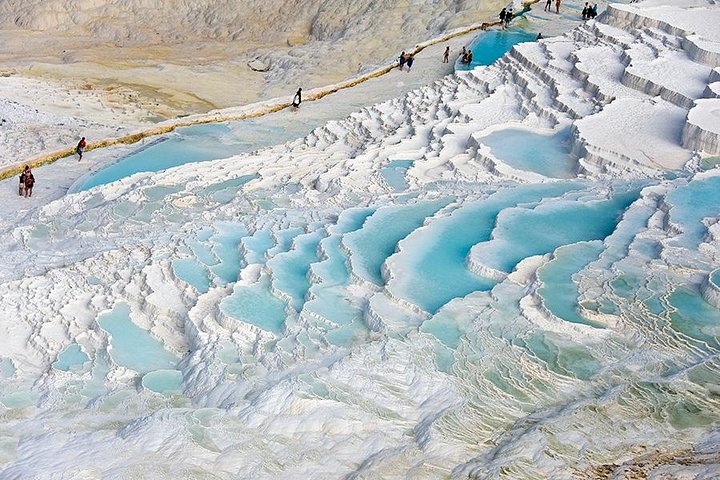
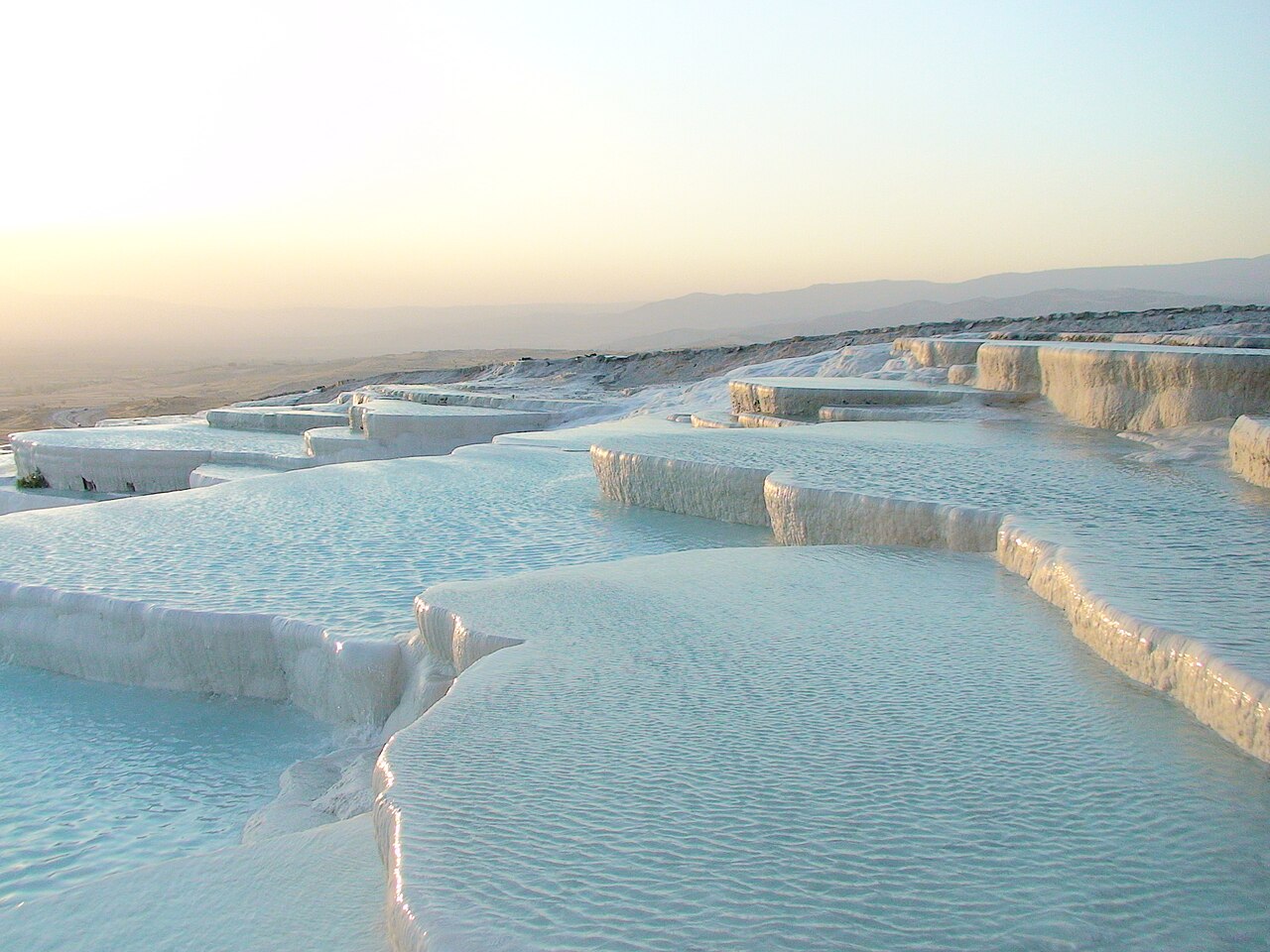
The white travertine looks different through the year. Water is managed across the slopes, and the flow can shift between sections, so the pools you see may not be the same as those in a photograph. After rain, the terraces can be damp and slippery, and the water in the pools may look more vivid. In very dry spells, some pools may be low, so do not expect every basin to be full. Arriving with realistic expectations helps.
Crowds by day
Whatever the season, the pattern is the same: coach tours arrive mid-morning and leave mid-afternoon, so early morning and late afternoon are the best times for quiet walks and photographs. Weekends and public holidays are busier, especially in spring and summer, and cruise-port day trips from the coast can add to the numbers at midday.
Special activities
For balloons, early mornings in spring and autumn are often the calmest, while summer can be bumpy and winter is unpredictable. For paragliding, calm conditions matter, so plan a flexible day. For Salda Lake, summer is best for swimming, and shoulder seasons are best for photography. For Aphrodisias and Laodicea, spring and autumn are ideal because the sites are exposed. For thermal soaks, winter is magical, although a hot dip in any season is a pleasure.
Our recommendation
Choose late April to May or late September to October for the best balance of weather, light and crowds. If you must visit in midsummer, start early and rest at midday. If you come in winter, dress warmly, check opening hours and enjoy the quiet. Whatever month you pick, leave a little slack for weather-dependent flights, and book accommodation early for weekends and holidays.
Practical tips
Pack layers, sunscreen, a hat and sensible shoes year-round, plus a swimsuit and towel for the pools. Confirm site hours, hotel openings and tour schedules in advance, especially in the low season. Allow extra time for travel, since distances between sights are longer than they look on a map, and keep your last morning free in case a flight is rescheduled.