Panama City has a tropical climate with two main seasons, and the best time to visit depends on what you want from the trip. Temperatures hardly change through the year, with hot, humid days and warm nights, but rainfall does, and that shapes which excursions are easiest, how crowded the sights are and what you pay for a room. There is no truly bad time to go, as long as you plan outdoor activities for the morning and carry a light rain jacket.
The dry season: roughly December to April
This is the busiest and most popular time to visit. Skies are clearer, humidity is lower, rain is rare and the sea is calmer, so it is the most dependable period for San Blas, Taboga and other boat days. Trails in rainforest areas such as Soberania National Park and the Metropolitan Natural Park are drier and easier, and birdwatching can be excellent as fruiting trees draw wildlife. The trade-offs are higher hotel rates, more crowds at popular sights and the need to book limited-date experiences, such as the canal partial transit, early. Breezes make the evenings pleasant for rooftop bars and sunset cruises. If you want guaranteed sunshine for island time, this is the season.
The wet or green season: roughly May to November
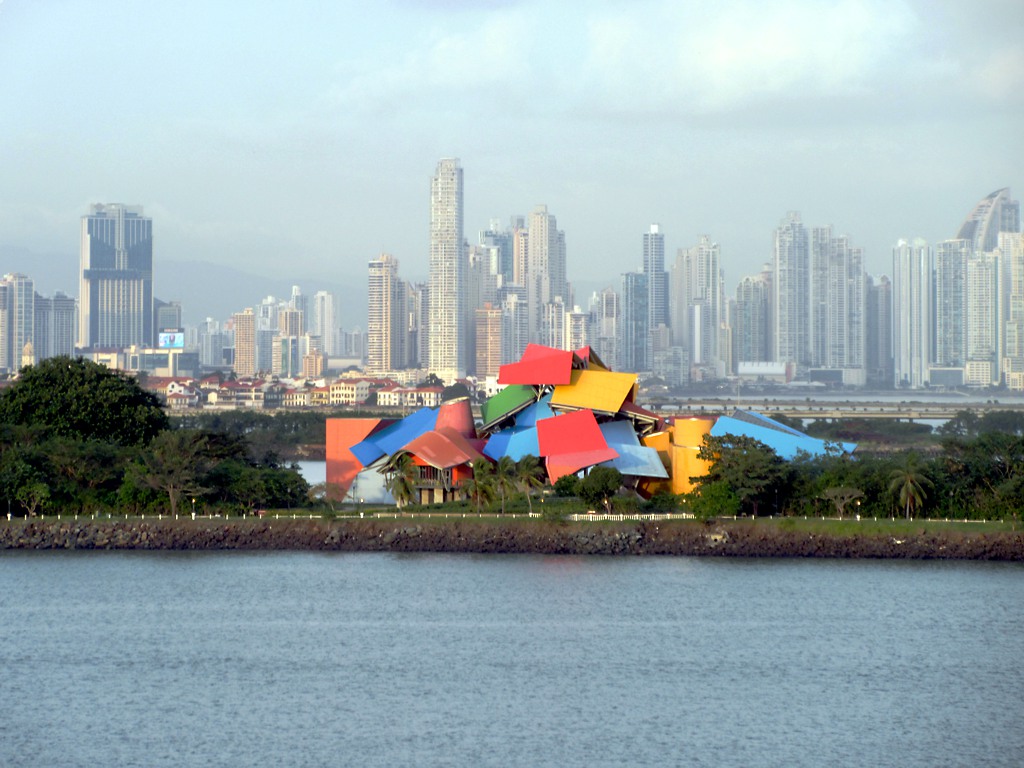
Rain arrives in the afternoon in most months, often as a short, heavy downpour followed by clear skies, and mornings are still frequently bright. The landscape is lush and green, rivers are fuller and the canal's lake is high, which can make a Gatun Lake cruise or a Chagres River trip especially atmospheric. Prices are lower, sights are quieter and it is easier to find rooms and tour places at short notice. Wet-season trips need flexibility, because storms can interrupt open-water days and muddy forest trails, so choose indoor options such as the Biomuseo, a cooking class or a salsa lesson for rainy afternoons. October and November are often the wettest months, and some Caribbean-side trips are less pleasant then.
Planning around events
Carnival, held in the days before Lent, is the biggest celebration, with parades, music and water play, and it brings crowds and higher prices, so book early if you plan to be in the city then. National holidays in November, including Independence Day, bring parades and fill hotels and beaches with locals, which can make island trips busier. In October, the Black Christ festival in Portobelo draws large pilgrim crowds to the Caribbean coast. Check dates before you finalise a plan, because they affect hotel rates, crowds and the opening times of museums and shops.
Choosing by activity
For the canal, any time works, since ships transit all year, though dry-season mornings are comfortable for Miraflores. For San Blas and Taboga, the dry season gives calmer seas and better visibility. For wildlife and birds, the dry season offers easier trails and the wet season offers lush forest and fewer visitors. For city sightseeing, food and nightlife, any month is fine, with the dry season more comfortable for walking in Casco Viejo. For budget travel, the wet season gives better value, particularly if you book accommodation directly.
Packing and practical tips
Bring light, breathable clothes, a hat, sunscreen, insect repellent and a light rain jacket or compact umbrella whatever the season. A layer is useful for air-conditioned spaces, which can feel cold after the heat outside. Closed shoes with grip are wise for forest and ruin visits. Plan active sights for the morning, rest in the middle of the day and keep one flexible day in your itinerary for weather changes. Drink plenty of water, and be aware that the sun is strong even on cloudy days.
Our suggestion
For first-time visitors who want the most reliable weather for islands and rainforest, aim for the dry season, ideally in December, January or February, and book the canal partial transit and a hotel well ahead. For travellers who prefer fewer crowds and greener landscapes, the early wet season in May or June offers a good balance, with warm seas and good rates. A flexible approach, with morning outings and a relaxed afternoon by a pool or in a museum, works well in any month. Whatever the season, book the headline experiences, such as the canal partial transit and San Blas, a few weeks ahead, and keep the rest of the plan loose so that you can swap days if a storm rolls in.