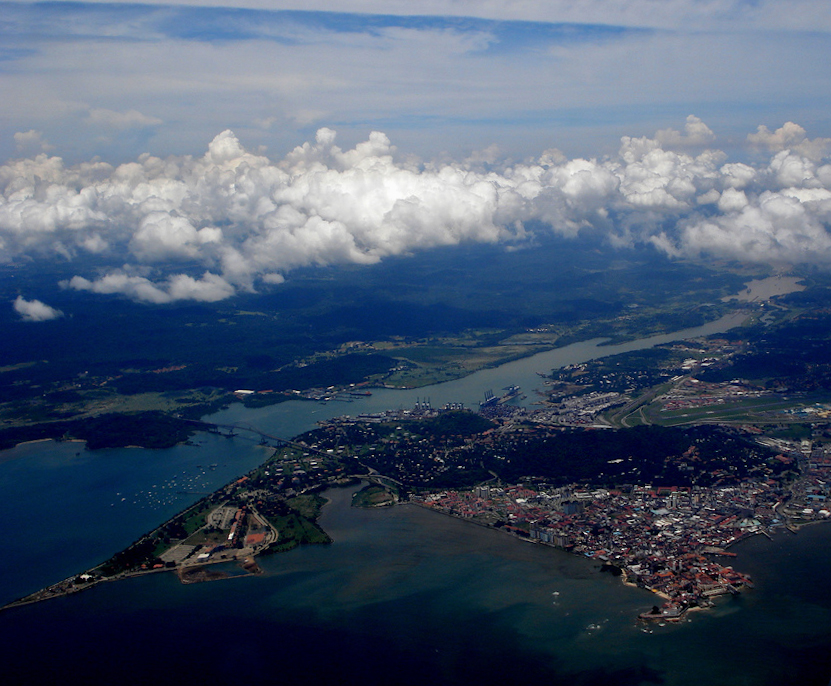
Three days is enough to see the best of Panama City without rushing, as long as you plan around the heat and the distances. The sights fall into clear groups: the canal and the causeway on the Pacific side, the old town on its peninsula and the rainforest and islands that surround the city. This itinerary gives each group a day or half day, puts outdoor stops in the morning when it is cooler and leaves the evenings for eating and wandering. Swap days around if the weather changes, because afternoon showers are common in the wet months.
Day one: the canal and the old town
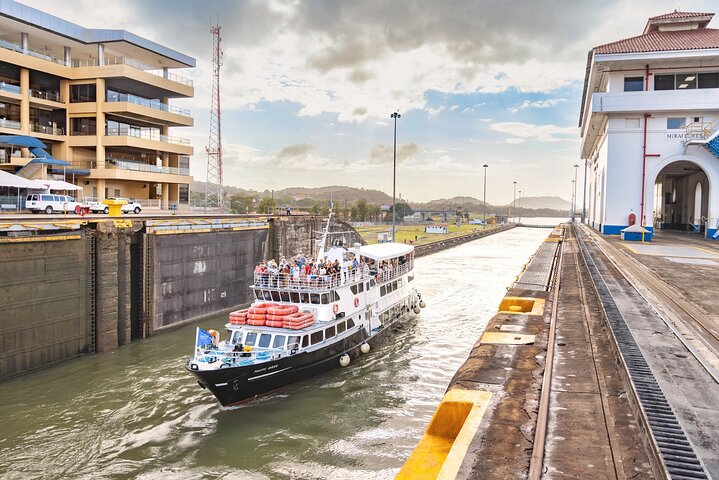
Start early at the Miraflores Locks, where ships climb the staircase of water while you watch from the terraces. Mornings are usually a good time for large vessels, though traffic follows the canal schedule rather than a timetable, so keep an eye on the transit information before you go. Allow about two hours, including the film and exhibits. Head back to the city for a late lunch, then spend the afternoon on the Amador Causeway, a palm-lined strip of land with skyline views, bike hire and the colourful Biomuseo. Finish in Casco Viejo for a food walk, which doubles as dinner and an orientation to the old town, and end with a drink on a rooftop terrace as the plazas light up.
Day two: wildlife and rainforest
Day two belongs to nature, and you have a few good choices. A Gatun Lake monkey and wildlife cruise is an easy half day with a good chance of seeing monkeys, sloths and birds from the water. Pipeline Road in Soberania National Park is the pick for birdwatchers, with an early start and a quiet walk through the forest, while the Gamboa sloth sanctuary suits families and anyone who wants a guaranteed close look at sloths. For culture as well as nature, an Embera village visit combines a canoe ride on the Chagres River with time in an Indigenous community. Return to the city by early afternoon, rest in the heat and then visit Panama Viejo, the ruins of the first Panama City, when the light is softer. Dinner can be in the modern district around Calle Uruguay or back in the old town.
Day three: choose your adventure
For the third day, pick one of the big excursions. The Panama Canal partial transit is the signature canal experience, a roughly six-hour trip through part of the waterway on a boat, and it runs on limited dates, so reserve it before you travel. San Blas is the choice for a Caribbean island day, with white sand, clear water and the Guna communities, though it is a long day that starts before dawn. A gentler option is Taboga Island by catamaran, a short sail from the city, with time to swim and wander the village. If you would rather stay in town, spend the morning at the Metropolitan Natural Park, a rainforest reserve within the city limits, then relax by the pool, take a cooking class or a salsa lesson and enjoy a sunset catamaran cruise on the bay.
Getting around
Taxis and ride-hailing cars are the easiest way to move between districts, since sights are spread out and the metro and buses do not reach most of them. Agree a fare or use the app, and carry small bills. Tour operators pick up from most hotels, which solves the logistics for day trips. Casco Viejo is best explored on foot, and the causeway is ideal by bike. Leave extra time for traffic at the start and end of the working day, because congestion can double a short journey.
Where to stay
For a three-day trip, a base in Casco Viejo puts you in the middle of the evening atmosphere and cuts down on late-night taxi rides. The Central Hotel Panama faces the cathedral, the American Trade Hotel sits on Plaza Herrera and the Sofitel Legend Casco Viejo is the luxury option on the seafront. If you prefer a pool and more space, the modern district has the Waldorf Astoria and the Riu Plaza. Whichever you choose, ask about air conditioning, breakfast and parking, which differ widely between the old town and the business districts.
Practical tips
The climate is hot and humid all year, so carry water, sun protection and insect repellent and plan outdoor sights for the morning. Pack a light rain jacket, particularly from May to November. The US dollar is in everyday use alongside the balboa, so you do not need to change money. Keep valuables out of sight, stay on busy streets at night and ask your hotel which areas to avoid. Check opening hours before you go, because several museums and sites close early in the afternoon and on certain days of the week. With a fourth day, add the Agua Clara locks and Fort San Lorenzo or a Portobelo day on the Caribbean side.