Phuket has two main seasons, and the one you choose changes almost everything about your trip, from the colour of the sea to the price of your hotel. The island sits on the Andaman coast, which is governed by the south-west monsoon, so the pattern is different from the Gulf of Thailand on the other side of the country. Here is how the year runs.
November to April: the dry high season
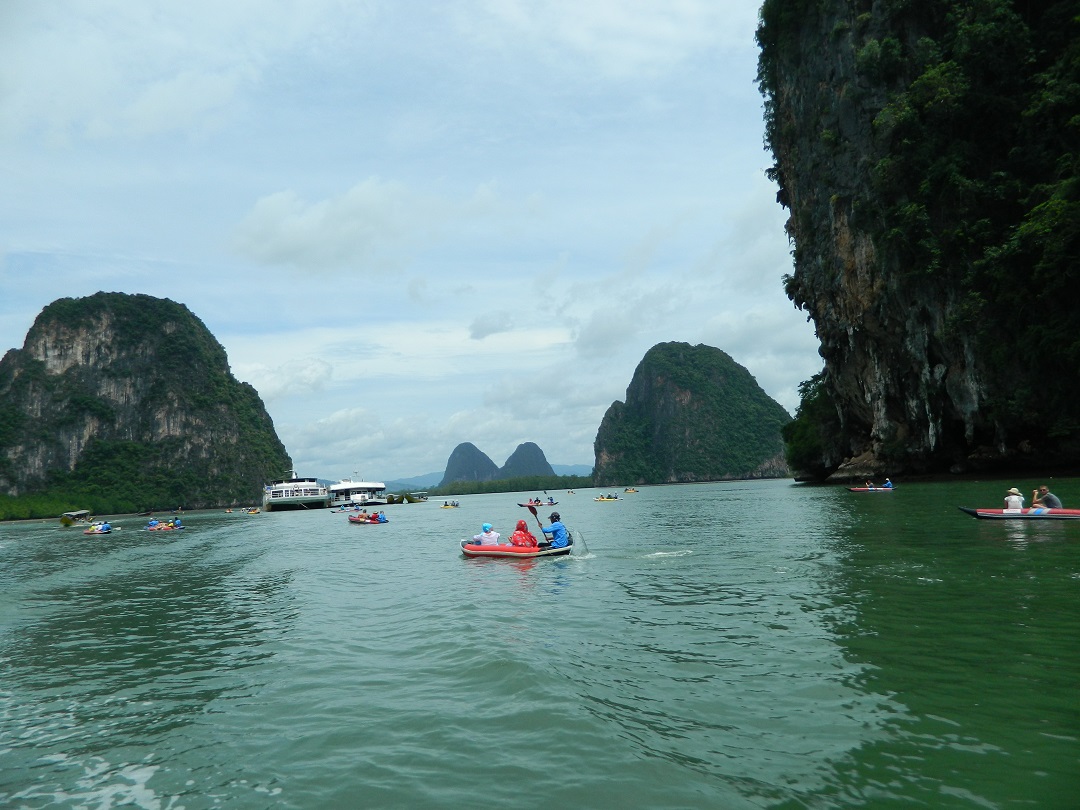
This is the best time to visit for most travellers. The monsoon has faded, rain is rare, the sea is calm and the sky is mostly blue. Boat trips run at full strength, the water is at its clearest for snorkelling, and the beaches are safe for swimming under lifeguard supervision. The Similan Islands national park is open, Maya Bay is open to visitors and the trips to Phang Nga Bay are at their most reliable. Temperatures are warm, usually in the low thirties, with lower humidity in December and January. This is also the most crowded and expensive time, particularly from mid-December to early January, when hotels are at their fullest and prices are at their highest. Book flights, hotels and the main boat trips well ahead.
November: the early start
The start of the season is a good time to visit. The monsoon fades, hotels are busy but not at their peak and prices are still moderate. Early in the month, a passing storm or a rough day can still disrupt a boat trip, so keep a spare day in your plan. The Loy Krathong festival often falls in November, when people float small decorated baskets on water at night, and the beaches and lagoons are lovely to watch.
December to February: the peak
These are the driest, coolest and clearest months, with the best sea conditions and the most visitors. If you want perfect weather for island hopping and are happy to pay, this is the time. Book Christmas and New Year stays months in advance. Old Phuket Town is also pleasant, with comfortable evenings for walking. Expect crowds at the Big Buddha, the viewpoints and Promthep Cape at sunset.
March and April: hot and calm
The sea is often at its calmest, and visibility remains good, but the heat builds, with afternoons that can be very hot and humid. Water sports and boat trips remain excellent, and prices begin to drop towards the end of the season. In mid-April, Songkran, the Thai New Year, brings water fights in the streets, which is great fun if you enjoy it and a nuisance if you do not.
May to October: the green season
The south-west monsoon brings more rain, higher winds and bigger waves. Showers can be heavy and sudden, often in the afternoon, and some days are wet from morning to evening. The upside is lower prices, fewer crowds and a lush, green island. Many travellers enjoy a visit in the shoulder months of May and October, when mornings are often bright, and showers pass quickly. The sea on the west coast can be rough, and strong currents make swimming dangerous at some beaches, so follow the red flags and local advice. Some boat trips are cancelled for weather, and the Similan Islands national park closes for about five months, normally from mid-May to mid-October. Maya Bay also closes for a recovery period in August and September.
How the seasons affect what you do
In the high season, book the boat trips first, because the best operators fill up. In the green season, choose indoor activities for the wettest days, such as a cooking class, an aquarium or a Muay Thai night, and keep your boat trips flexible. Beach clubs and big resorts remain open all year, and spa treatments are a good wet-weather option.
Festivals
The Phuket Vegetarian Festival usually takes place in September or October, with street processions and food, and is one of the island’s most unusual events. The Old Phuket Town festival is held around Chinese New Year, when the streets fill with parades and stalls. Loy Krathong falls in November, and Songkran in April. Dates change each year with the lunar calendar, so check before you plan.
So when should you go?
For the best weather and sea, choose November to March. For fewer crowds and lower prices with decent weather, try early November or April. For the lowest prices and a green island, choose the monsoon months, but go with flexible plans, a love of rain and a willingness to skip the sea on some days.