Three days is enough to see the best of Phuket if you plan around the island’s geography. The roads between beaches are hilly and slow, the boat trips take most of a day, and the headline sights are spread from the south coast to the old town and out into the sea. The trick is to group things by area and to give the boat trip a day of its own. Here is a practical way to do it.
Before you start: choose your base
The southwest coast, around Kata, Karon and Kata Noi, is the most convenient base for this plan, because the Big Buddha, Promthep Cape and the boat piers at Chalong are close, and Old Phuket Town is half an hour away. Patong is the choice if you want nightlife within walking distance. If you stay in the far north, near Mai Khao or Bang Tao, allow extra time for every drive.
Day one: the south and Old Town
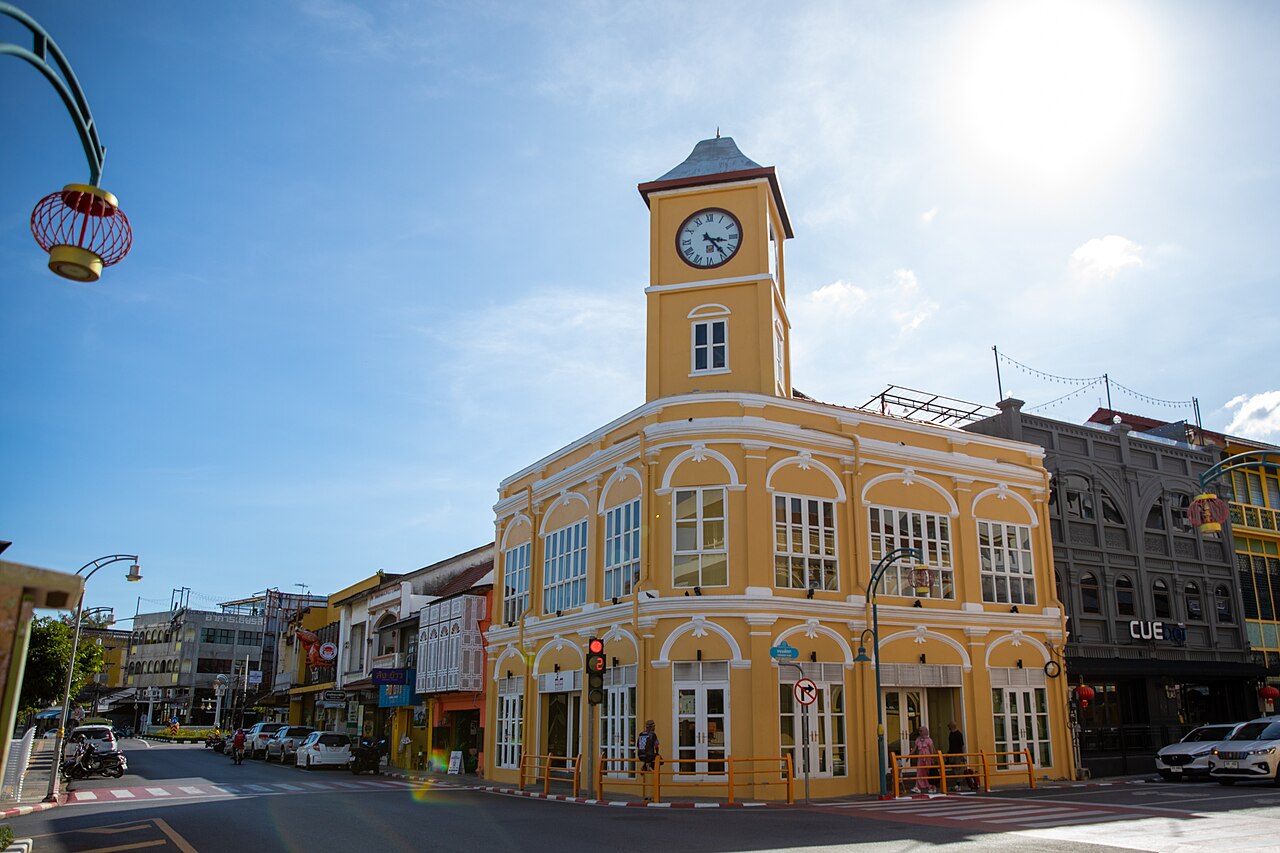
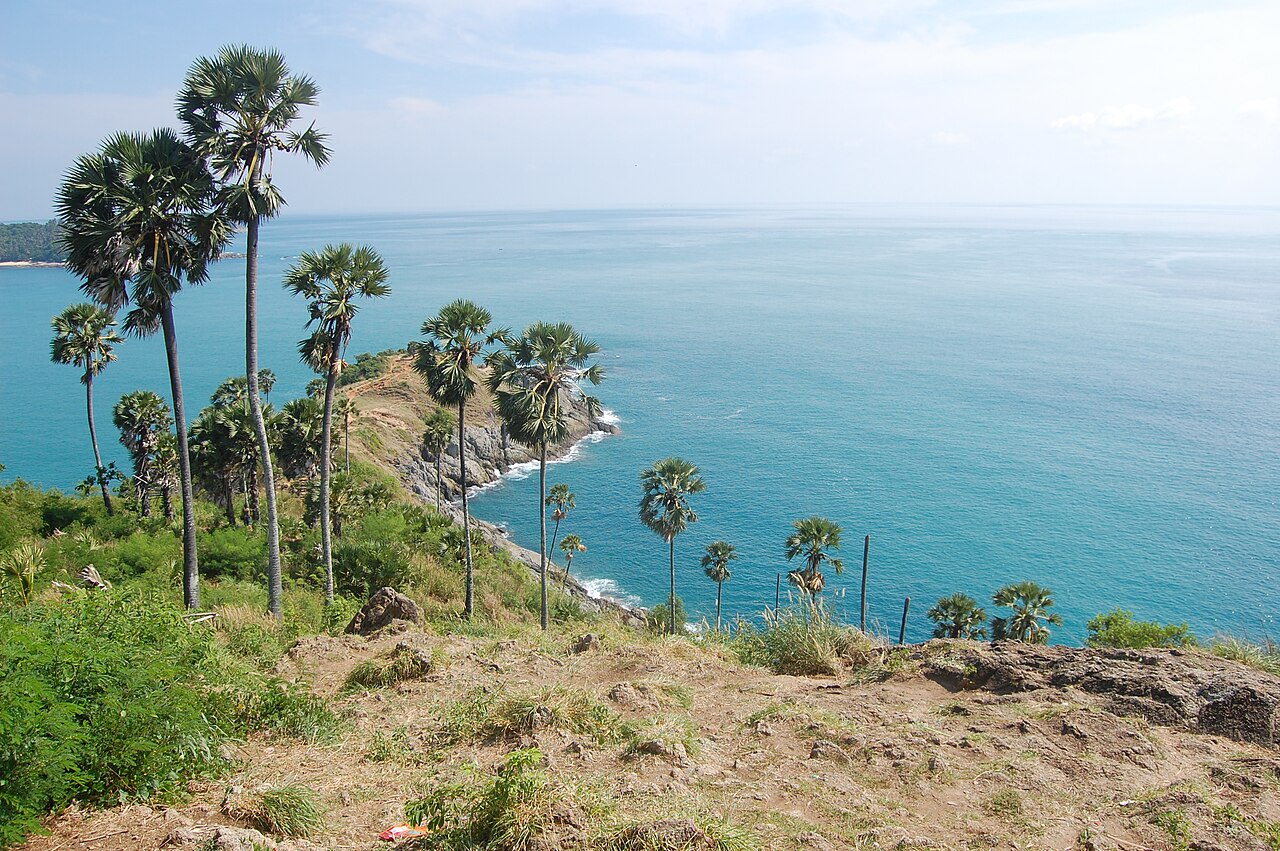
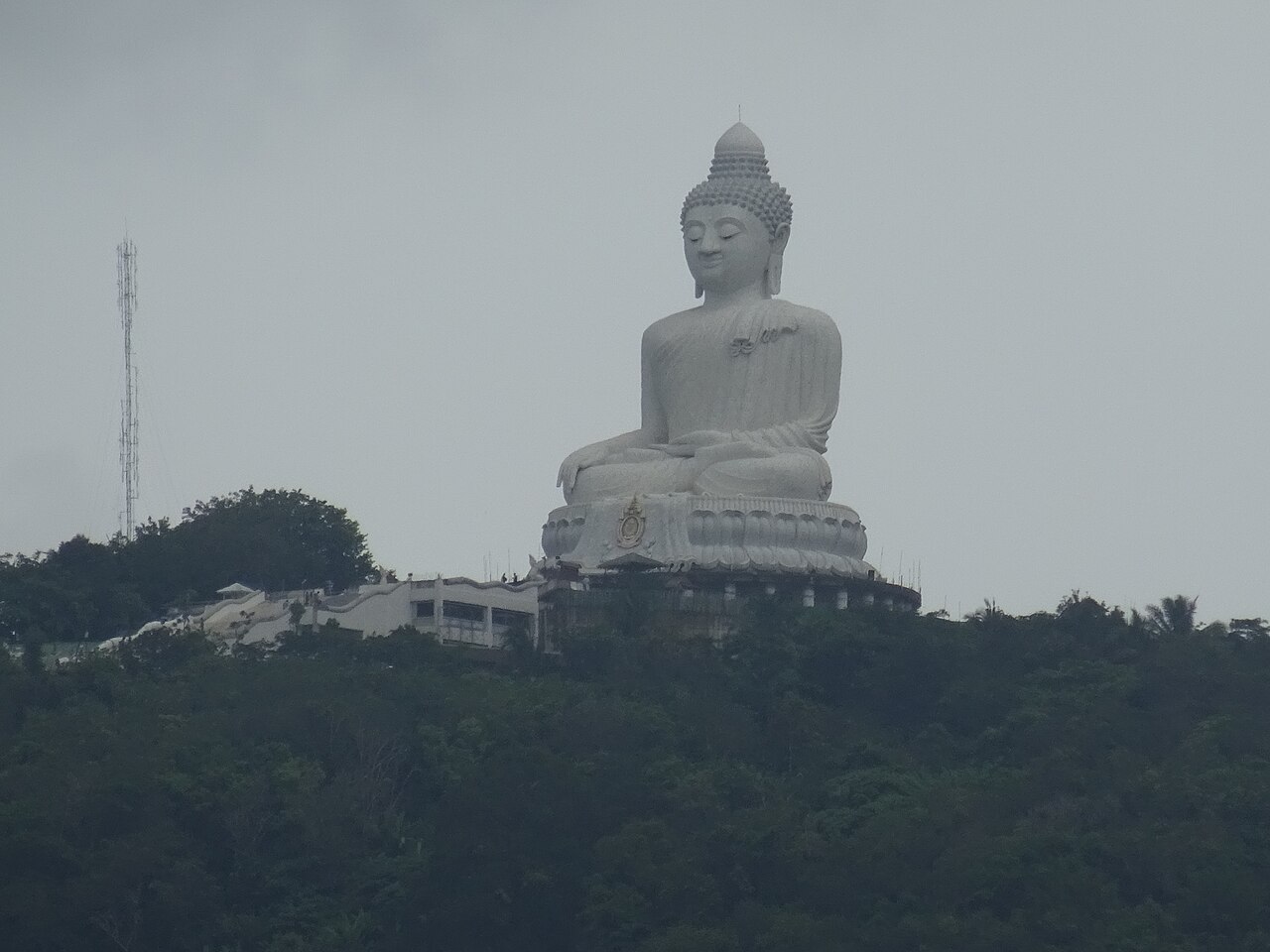
Start early at the Big Buddha, while the air is cool and the views over Chalong Bay are clearest. The 45-metre white marble figure sits on Nakkerd Hill, and from the platform you can see across much of the south of the island. Dress modestly, with shoulders and knees covered. Come down to Wat Chalong, the island’s most revered temple, for half an hour, then drive on to Old Phuket Town for lunch. The old quarter is a pleasure to walk, with pastel Sino-Portuguese shophouses, shrines, coffee shops and street art, and it is the best place on the island to eat Hokkien noodles and dim sum. If you want a deeper taste, join the Old Town food tour in the late afternoon. Finish with sunset at Promthep Cape or the Karon Viewpoint on the way back to your hotel, and choose one of them rather than trying to do both.
Day two: the sea
Give the second day to a boat trip, and make it the one that matches your interests. The Phi Phi Islands trip is the classic, with Maya Bay, the Pileh Lagoon and snorkelling stops, and it is a long day with an early start. Phang Nga Bay and James Bond Island is gentler on the water, with sea canoeing into hidden lagoons among limestone towers. If you want an easier swim and a shorter crossing, the Racha and Coral Islands are calmer and less dramatic. Whichever you choose, book ahead in the high season, bring cash for the national park fee and take seasickness tablets if you are prone. You will be tired when you get back, so plan a simple dinner near your hotel.
Day three: elephants, flavours and an evening out
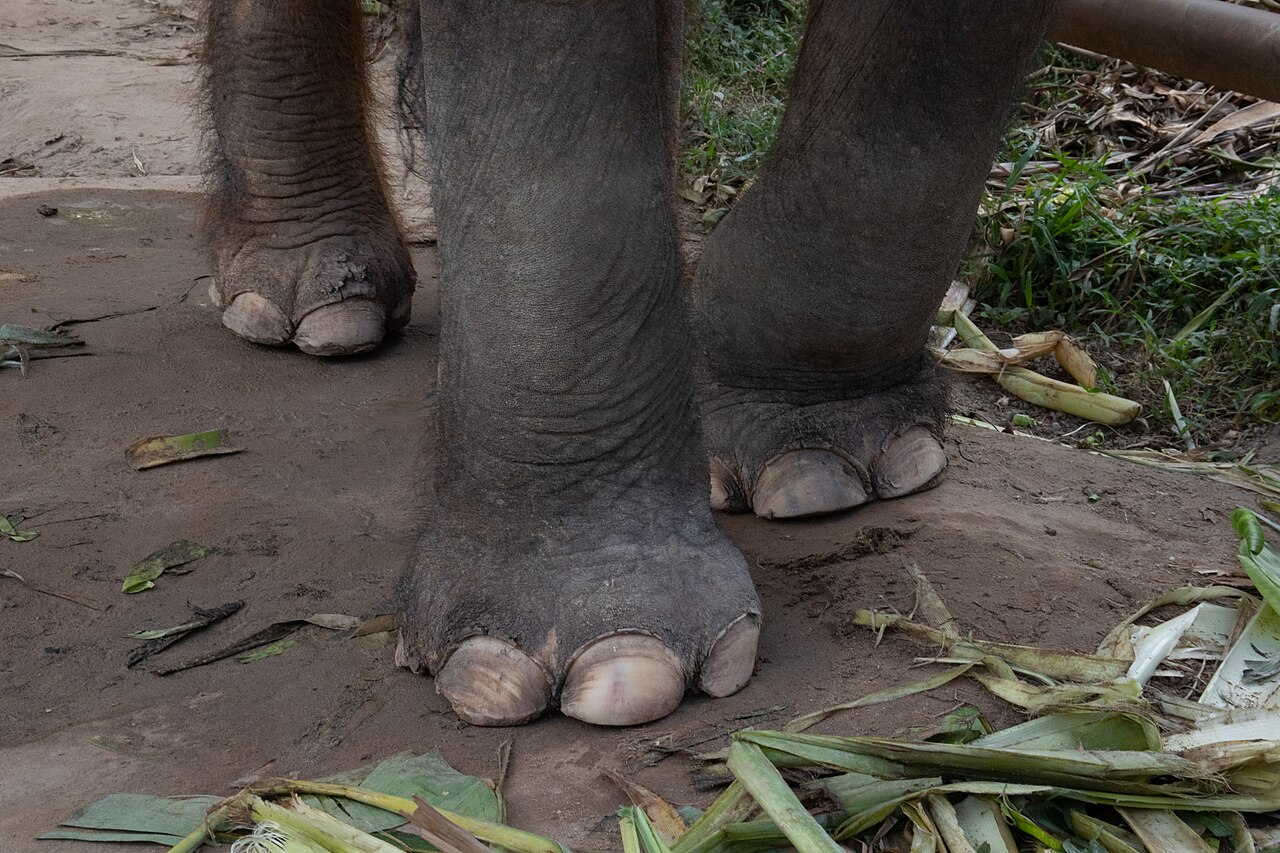
Spend the morning at the Phuket Elephant Sanctuary, a no-contact programme in which elephants are observed rather than ridden or bathed. Group sizes are small and the half-day programme finishes around lunchtime. In the afternoon, choose between a cooking class in Phuket Town, a swim and a rest at the beach, or a visit to Aquaria Phuket if it rains. In the evening, you have a choice of two very different shows. Simon Cabaret in Patong is a polished, glittering production, while a night of Muay Thai at a Patong stadium gives a taste of Thailand’s national sport. Both are in Patong, so you can combine either with a stroll along Bangla Road, though it is loud and busy.
If you have a little extra time
Add the Similan Islands in the open season for the clearest water, or a day at Khao Sok and Cheow Lan Lake for rainforest scenery. If you travel with children, replace the evening show with Andamanda water park or the Hanuman World zipline, and read our family guide for more ideas.
Getting around
Phuket has no metro, and the bus network is limited. Boat tours pick you up from your hotel, which solves transport on day two. For the other days, use metered taxis or ride-hailing apps, or hire a car with a driver for a day, which works well for the south of the island. Scooters are common but dangerous on the steep, busy roads, so ride only if you are experienced, licensed and insured, and always wear a helmet.
What to pack and what to expect
Light, breathable clothes, a sarong or scarf for temples, reef-safe sunscreen, a hat, a dry bag and sandals you can walk in. Carry some cash for park fees, markets and small restaurants. Heat peaks in the middle of the day, so plan your hardest walking for the morning and the late afternoon, and take a break indoors at midday.
Adjusting the plan
If the weather turns, swap the days around. A cooking class or an aquarium works as a wet-weather substitute, and boat trips can be rescheduled if the sea is rough. Treat the first morning as flexible, since flights often arrive late and tired travellers do better with a gentle start. With a plan like this, three days will feel full without being rushed.