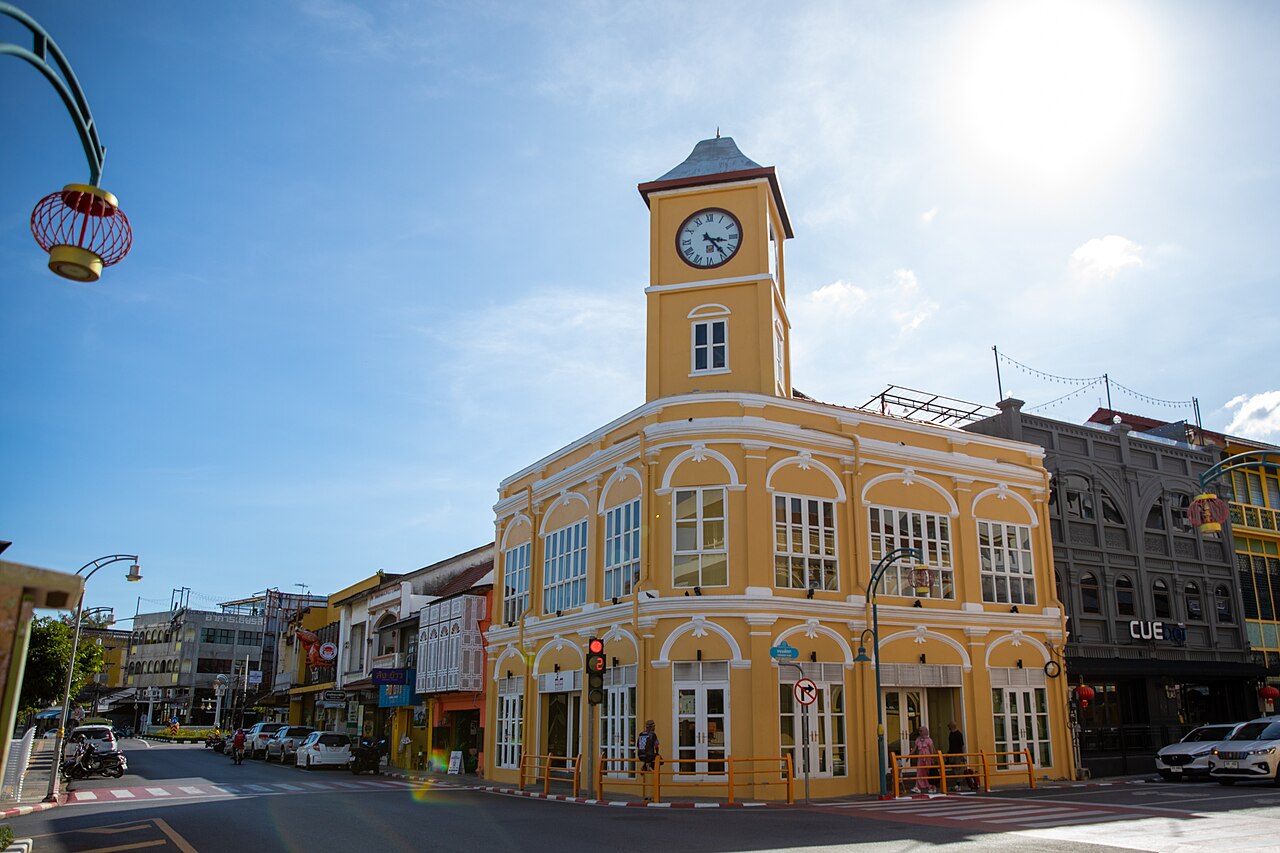
Most visitors come to Phuket for the sea, and then discover that the food is just as memorable. The island’s cooking is shaped by its history. Hokkien Chinese traders and tin miners arrived in the nineteenth century, intermarried with local Thai and Malay communities, and created the Peranakan culture that still colours the old town. The result is a cuisine that is spicier than central Thai food, richer in turmeric and shrimp paste, and full of Chinese noodles, braised meats and sweets. Here is how to eat well.
Start with Hokkien noodles
Mee Hokkien, thick yellow noodles stir-fried in dark soy sauce with pork, seafood and greens, is the dish most associated with Phuket Town. It is served in old shophouse restaurants, often with a side of chilli. Look for places with queues at lunchtime, and eat it as locals do, with a squeeze of lime and a spoon of pickled chillies.
Try the southern curries
Phuket’s curries are strong. A sour curry made with turmeric, chillies and fish, a rich, creamy curry with crab and a fiery stir-fry with shrimp paste are typical, and they are eaten with plenty of rice. If you are not used to heat, ask for it less spicy, or order a mild dish alongside to balance the table. Cold water does not cool the heat, but rice, cucumber and sweet drinks help.
Order braised pork and dim sum
Chinese influence shows up in braised pork belly, in steamed dumplings and in breakfast dim sum served from steamers in the old town. Many shops serve their dim sum only in the morning and sell out by late morning, so go early. Pair it with strong, sweet local coffee, which is traditionally served in small glasses in old-style coffee shops.
Save space for sweets and snacks
Phuket’s desserts are a pleasure. Look for ang ku kueh, soft rice-flour cakes with a sweet filling, ah-pong, small pancakes cooked in pans over charcoal, and oh-aew, a chilled dessert with jelly and ice. Fruit stands sell fresh pineapple, mango and mangosteen in the right season, and a coconut drunk straight from the shell is a cheap way to cool down on the beach.
Eat seafood by the sea
Phuket is an island, and the best seafood restaurants sit near the water, especially in the south at Rawai and Chalong and along the quieter bays. Choose a restaurant where the fish are displayed on ice, agree the weight and cooking method, and check the price before the fish is cooked. Grilled prawns, steamed fish with lime and chilli, and crab in curry are favourites. For a cheaper meal, eat at a simple beachfront stall or at a market where plates are priced on display.
Find the markets
Night markets are a good way to try many dishes cheaply. Old Phuket Town has a Sunday evening walking street, and there are weekend and night markets in other parts of the island, some aimed at tourists and others at locals. Eat where the stalls are busy, choose food that is cooked in front of you, and carry small notes. Markets are also a good place to try dried shrimp, fresh spring rolls and the island’s sweet sticky rice snacks.
Drinks
Bottled water is the safe choice, and ice in restaurants is usually made commercially, though use judgement at street stalls. Thai iced tea, fresh juice and lime sodas are everywhere, and local beers are cheap and light. Hotels and beach clubs sell cocktails, and the old town has a handful of stylish bars in restored buildings. Alcohol sales are restricted at certain hours and on certain days, so do not be surprised if a shop refuses to sell at some times.
Tours and classes
If you want guidance, join an Old Town food tour, which strings together fifteen or more tastings with a local guide, or a cooking class with a market visit, such as the Blue Elephant school in Phuket Town. Both are good on a rainy afternoon and teach you what to order for the rest of your stay.
Practical tips
Carry small notes, because many small places do not take cards. Wash your hands before eating, drink plenty of water and wear a hat when you walk between stalls. Tell restaurants about allergies clearly, since shellfish, peanuts and shrimp paste are everywhere. If a menu has no prices, ask first. Above all, be curious, because the best meals are often at plastic tables on a side street.