Pisa and Lucca can be enjoyed all year, but each season has a different character, and the right time depends on what you want from your trip. The headline sights are not seasonal, but crowds, heat, daylight and events change a lot between months. This guide explains what to expect in each season so you can match your visit to your priorities, whether that is comfortable weather, quiet streets, a lively festival or a lower bill.
Spring, March to May
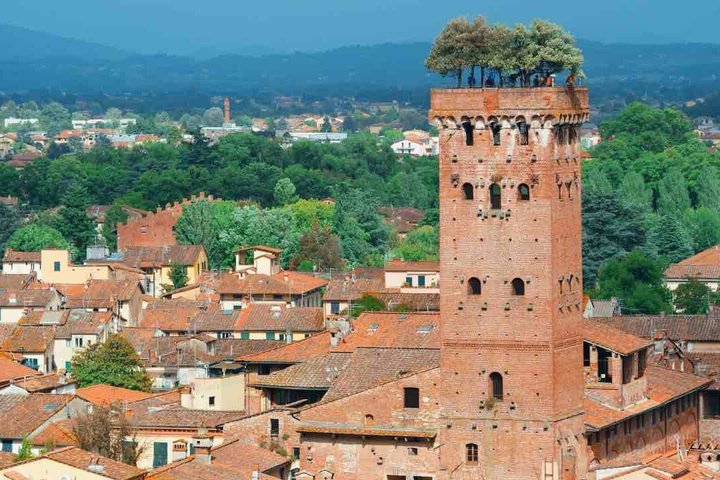
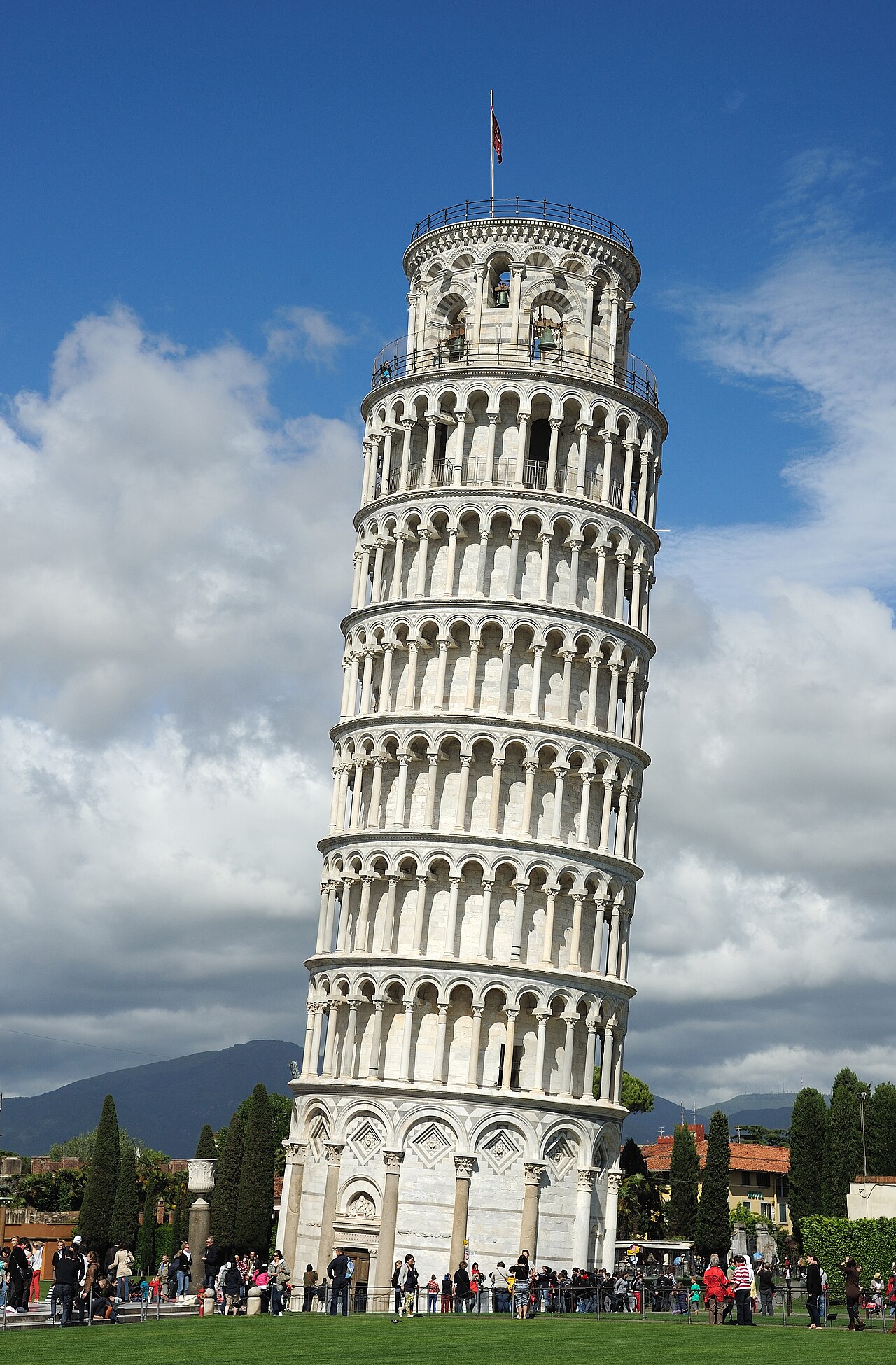
For many travellers, spring is the sweet spot. Temperatures are mild and pleasant for walking, the countryside is green and the trees on Lucca’s walls are in fresh leaf. April and May are busier than winter, especially around Easter and public holidays, so book the Leaning Tower and your hotel ahead. The weather can be changeable, with showers, so pack a light waterproof. This is an excellent season for cycling the walls and for gardens such as the one at Palazzo Pfanner, which look their best as flowers come into bloom.
Summer, June to August
Summer brings long days and a lot of energy, with outdoor dining until late and a full calendar of events. It is also hot, often very hot in the afternoon, and it is the busiest season on the Piazza dei Miracoli. If you visit in summer, choose the first tower slot of the morning or an evening slot, keep the middle of the day for a long lunch and a rest, and drink plenty of water. Lucca’s walls offer welcome shade from the trees, and an evening climb of a tower can be cooler than a midday one. Summer is also the time for open-air concerts in Lucca, where music is part of the city’s identity, so look at the programme before you book. Prices for hotels are at their highest, and the best rooms go early.
Autumn, September to November
Autumn is the second sweet spot. September and early October are often warm and settled, the summer crowds thin and the light turns golden, which makes photographs of the marble and the towers especially good. Later in the season the days shorten and the weather becomes more changeable, with rain more likely, but the cities are calm and the food is at its best, with mushrooms, chestnuts, new olive oil and the grape harvest in the hills. Late autumn also brings a big comics and games festival to Lucca, which fills hotels, so book early if your dates fall near it.
Winter, December to February
Winter is the quietest and cheapest time to visit. Days are short and it can be cold and damp, but queues are small, hotels are good value and the cities feel like themselves, with locals filling the cafes. Some opening hours are shorter, so plan the timed and indoor sights for the middle of the day and check closing times before you set out. Lucca’s walls are bare but beautiful in clear winter light, and the Christmas season brings lights and markets to both cities. Bring a warm coat, an umbrella and waterproof shoes.
Weekly patterns
Many museums and some churches close one day a week, often Monday, and some restaurants close on Sunday evening or Monday, so check before you plan a day around one place. Weekends are busier at the most popular sights, and reservations are more often required, particularly for the towers in Lucca. If you can, visit the busiest attractions on a weekday.
Festivals and traditions
Pisa has a strong calendar of civic traditions in the warmer months, including river events and a historic bridge game that draw crowds to the Arno, as well as an evening of thousands of candles along the river in mid-June. Lucca’s year revolves around music and its comics and games festival. Dates change from year to year, so check the current programme and book accommodation early if your trip overlaps with a major event, since prices rise and rooms fill.
Our recommendation
For the best balance of weather, light and manageable crowds, aim for late April to early June or September to mid-October. If you are on a tighter budget or want the sights almost to yourself, winter is rewarding, as long as you accept shorter days. If you must visit in the height of summer, start early, plan a break in the afternoon and enjoy the long evenings.