Pisa and Lucca sit in one of the great food regions of Italy, and the cooking here is honest, seasonal and built around a few excellent ingredients: olive oil, beans, chickpeas, farro, wild boar, salt cod and good bread. You will eat well in both cities, but you will eat better if you know what to look for and which streets to avoid. This guide covers the dishes to order, the rhythm of the Italian day and a few practical tips for getting good value, especially around the busy tourist areas.
How the day works
Breakfast is usually a coffee and a pastry standing at a bar counter, which is both cheaper and more local than sitting down. Lunch runs from about midday to two or three in the afternoon, and many traditional restaurants close between lunch and dinner. Dinner is rarely served before about seven thirty, and Italians tend to eat later. In between, aperitivo in the early evening, a drink with small snacks, is a daily ritual, and it is a good way to eat lightly and cheaply if you do not want a full meal.
Pisa: what to order
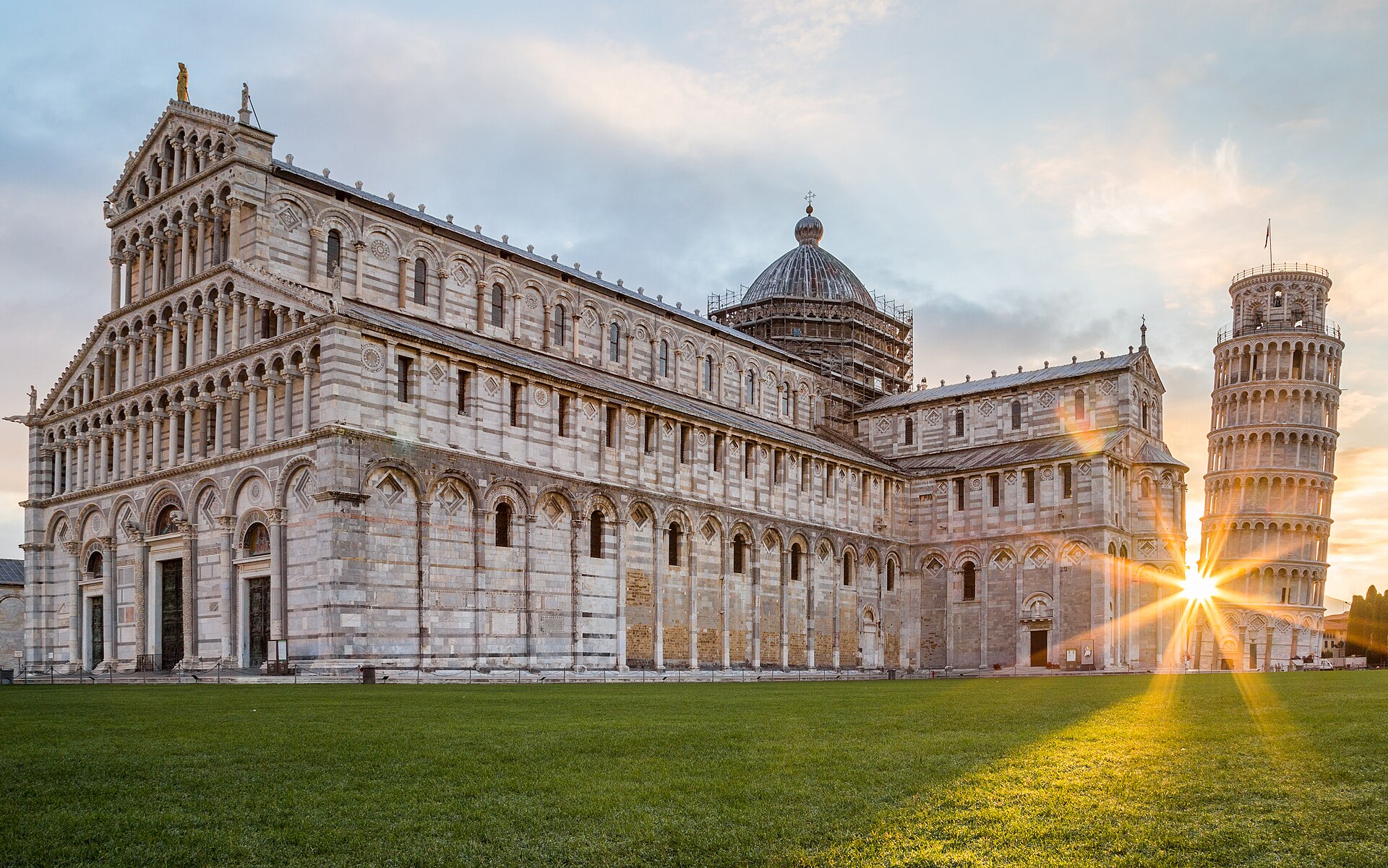
The signature street food is cecina, a thin, crisp-edged pancake made from chickpea flour, olive oil and water, baked in a wood oven and sold by the slice. It is often served in a bread roll, which locals call a sandwich, and is best eaten hot with plenty of black pepper. Look for traditional bakeries and small pizzerias that sell it. Pisa also has a strong tradition of dishes from the sea and the countryside, including salt cod, hearty bean soups and grilled meats, and you will often see simple dishes made with local olive oil. Around the market square of Piazza delle Vettovaglie, a lively neighbourhood of food stalls and small cafes, you will find ingredients and casual places to eat. Stay a few streets away from the Piazza dei Miracoli for lunch, because restaurants beside the tower are priced and designed for passing visitors.
Lucca: what to order
The city’s best-known pasta is tordelli lucchesi, half-moon pasta parcels filled with meat, herbs and a little cheese and usually served with a rich meat sauce. A close second is zuppa di farro, a soup of farro, an ancient grain, with beans and vegetables, which is warming and good in winter. Look for dishes with olive oil from the surrounding hills, which is peppery and green and often served simply with bread. For something sweet, try buccellato, a ring-shaped aniseed and raisin bread that Lucca has made for centuries and that is sold in traditional bakeries and pastry shops. It keeps well, so it makes a good edible souvenir.
What to drink
The hills around Lucca produce wines known as Colline Lucchesi, and the nearby area of Montecarlo makes both white and red wines that are rarely found outside Tuscany. A wine bar or enoteca is the best place to try a few by the glass. In both cities, house wine in a carafe is usually good value, and a glass of Tuscan red goes well with the meat dishes. Coffee is taken quickly at the bar, and cappuccino is traditionally a morning drink. A wine tasting or a guided food tour is a good option if you want to try several things in one afternoon with a local explaining what you are eating.
Avoiding tourist traps
The simplest rule is to walk away from the main sight. Restaurants with picture menus, touts at the door or menus in six languages are usually aimed at one-time visitors. In Lucca, the ring of cafes on Piazza dell’Anfiteatro is lovely for a drink but priced for the setting, so for a better-value meal step into a side street. Look for places with short menus, handwritten daily specials and a crowd of locals at lunchtime. Check whether there is a cover charge, known as coperto, and whether bread is charged separately, since this is normal in Italy and not a scam.
Practical tips
Reserve dinner in advance on weekends and in spring and summer, since the best small places are often full. Many restaurants close one day a week, often Sunday evening or Monday, so check before you set your heart on somewhere. Tap water is safe to drink, and a jug of it is cheaper than bottled water. If you have dietary needs, a short phrase in Italian goes a long way, and most restaurants are used to vegetarian requests, though traditional menus lean heavily on meat. Finally, leave room for gelato, and look for places where the colours are natural and the tubs are covered rather than piled high.