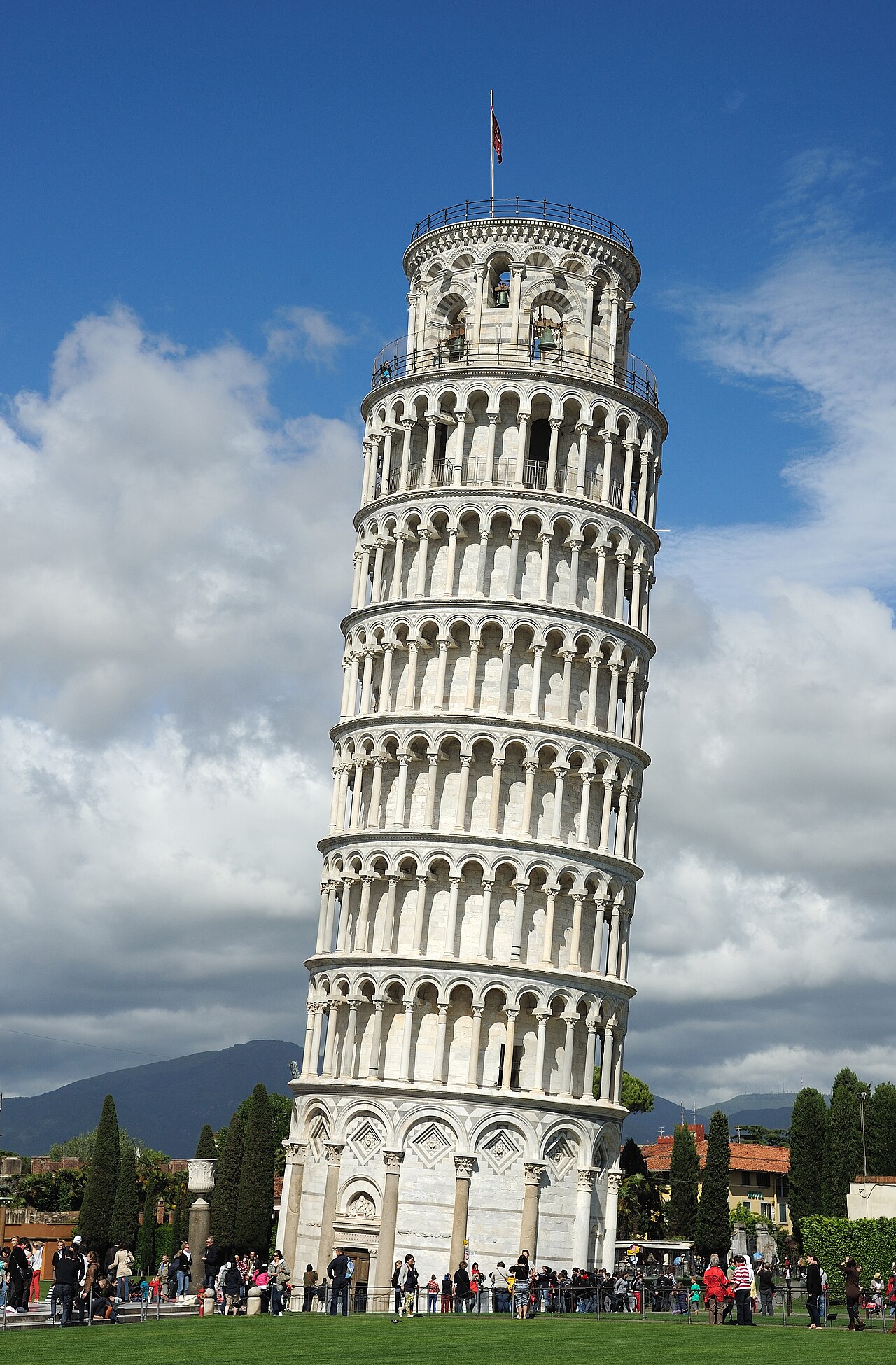
Three days is the ideal length for Pisa and Lucca. It gives you time to see the headline sights without rushing, to spend a full day in each city and to leave one day loose for whatever you enjoyed most. The two cities are only about half an hour apart by regional train, so you can base yourself in either one and switch with no stress. This plan keeps the walking sensible, puts the timed and bookable sights at the start of each day and leaves the afternoons open for coffee, wandering and a long lunch.
Before you go
Book the Leaning Tower first, because climbs are sold by timed slot and numbers are limited. Choose an early slot if you can. If you plan to climb Lucca’s towers at a weekend, reserve those too, since reservations can be required then. Everything else in this plan can be done without booking, and anything that is free is marked as such.
Day one: the Piazza dei Miracoli and old-town Pisa
Start at the square early, before the day-trip coaches arrive. Climb the Leaning Tower on your timed slot, then walk across the lawn to the Cathedral, where the striped columns and the carved pulpit repay a slow look. Next, step into the Baptistery and, if you can, time your visit to hear the custodian sing and set off the famous echo. After that, wander into the cloister of the Camposanto and the museums if you want to understand how the monuments fit together. Lunch is best taken away from the square, a few minutes into the old town. In the afternoon, walk to the Piazza dei Cavalieri, a free stop that shows you Pisa as a Renaissance university city, and then stroll down Borgo Stretto to the Arno. If your legs are still willing, finish by walking along the river for the view of the little Gothic church of Santa Maria della Spina. A guided walking tour is a good option if you prefer to have the stories explained.
Day two: Lucca
Take an early train from Pisa and arrive in time for a quiet start. Rent a bike near one of the gates and ride the Lucca walls, which takes around thirty minutes at a gentle pace and gives you an instant sense of the city. Return the bike and climb the Guinigi Tower, the one with trees growing from its top, followed by the Torre delle Ore, the clock tower on Via Fillungo with its wooden stairs and its eighteenth-century mechanism. Both climbs are short and rewarding, and you can do them in the same morning. For lunch, walk to the oval Piazza dell’Anfiteatro, built on a Roman arena, and choose a table. After lunch, step into San Frediano to see its gold mosaic facade and the chapel of Saint Zita, and add Palazzo Pfanner for its formal garden if you enjoy gardens. Finish at the cathedral of San Martino, where the tomb of Ilaria del Carretto is one of the loveliest sculptures in Tuscany, and take a slow walk back along Via Fillungo.
Day three: choose your pace
The third day is the flexible one, and there are several good ways to use it. If you stayed in Pisa and loved the old town, spend the morning at the Camposanto and the museums you skipped, then see the Tuttomondo mural by Keith Haring near the station, an easy and very different stop. If you want more of Lucca, return for the Puccini Museum, the composer’s birthplace, and an evening concert if one is on, since music is a real part of the city’s identity. If you want something further afield, many visitors use the day for a trip to Florence, the Cinque Terre or the Tuscan hills, all of which are reachable from Pisa or Lucca by train or organised tour, although each is a long day. A day trip tour that covers both Pisa and Lucca is another option if you only have time for a quick overview.
How to pace it
Pisa is mainly a morning city, because the crowds on the Miracoli build from late morning, and Lucca is an all-day city that is best enjoyed slowly. Do not try to cram every sight in. The walls, the squares and the cafes are the point of Lucca, and the best moments are often between the attractions. Wear comfortable shoes, since cobbles are hard on feet, and carry a small water bottle.
Where to sleep
If you want an early tower slot, stay in Pisa near the Miracoli and take the train to Lucca on day two. If you prefer a calm evening scene and a slower pace, base yourself in Lucca and visit Pisa twice, once for the tower and once for the old town. Either way, check that your hotel can register your car if you are driving, since both historic centres restrict traffic.