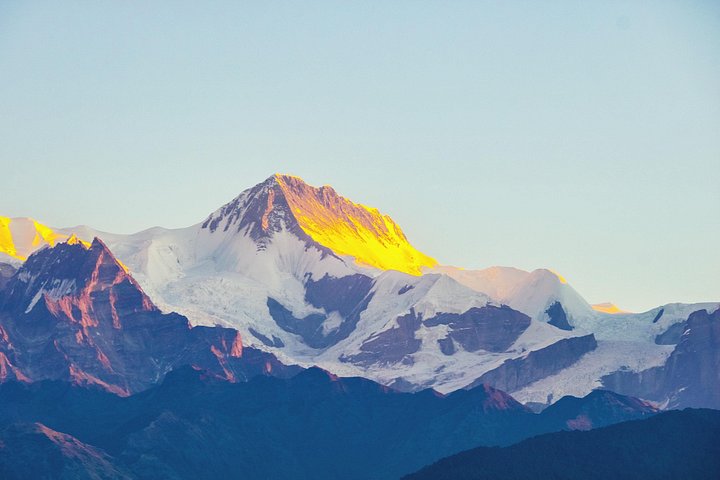
Three days is enough to see the best of Pokhara if you plan around the weather rather than against it. The mountains are clearest in the early morning, cloud builds by midday, and the lake, temples and bazaar are at their best when the peaks are hidden. This plan puts the weather-dependent activities first and the flexible ones later, and it assumes you stay in Lakeside, where most things start.
Day one: the lake and the temple island
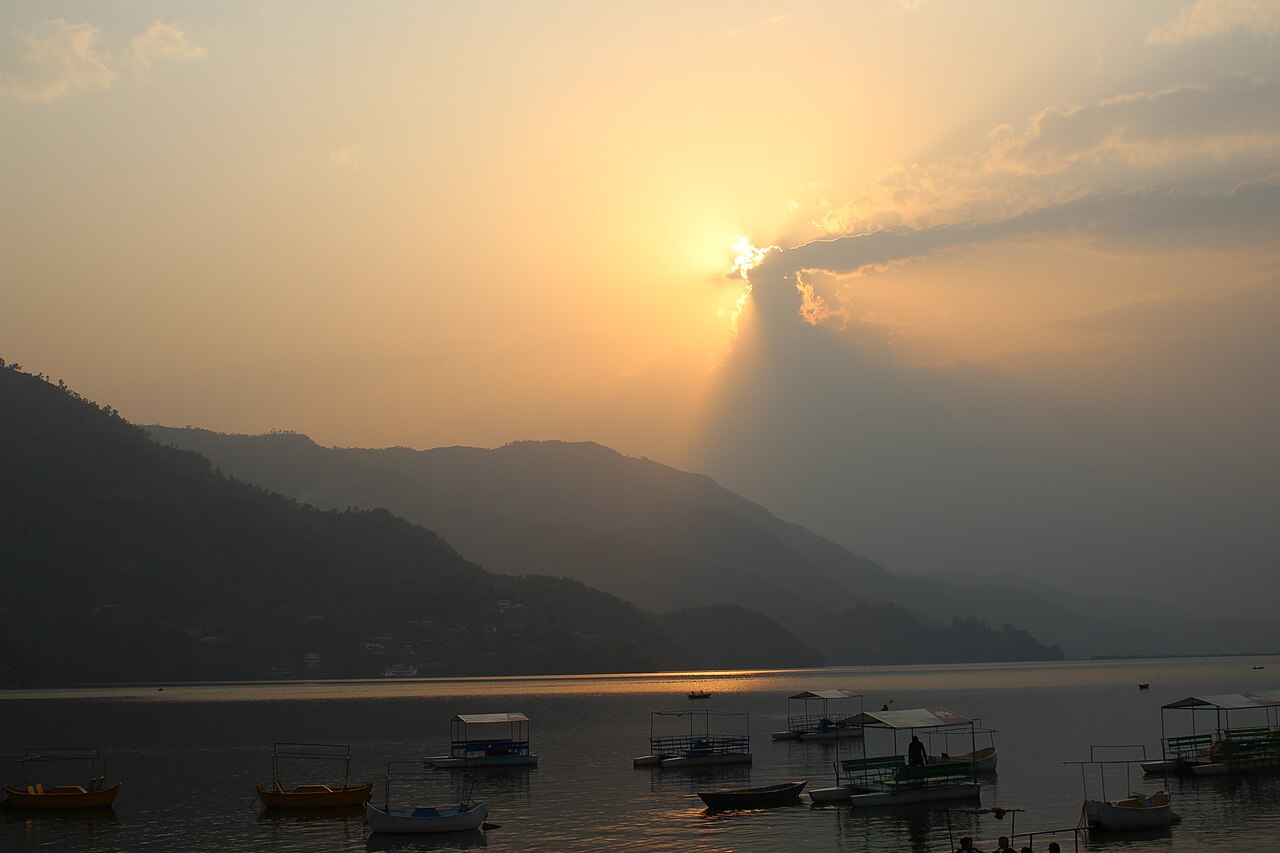
Start by walking the Lakeside promenade, then hire a painted rowing boat on Phewa Lake. Agree the price and the length of the trip before you step in, and ask for lifejackets. Row to the island of Tal Barahi Temple, spend time at the shrine and then continue across the water to the far shore, where the trail climbs to the World Peace Pagoda. The pagoda ridge gives the classic view back across the lake to the city, and late afternoon light is warm and gentle. Walk down before dusk and finish with dinner in Lakeside. If you have energy left, try the evening promenade, when cafes light up and the mood is relaxed.
Day two: the mountains from above
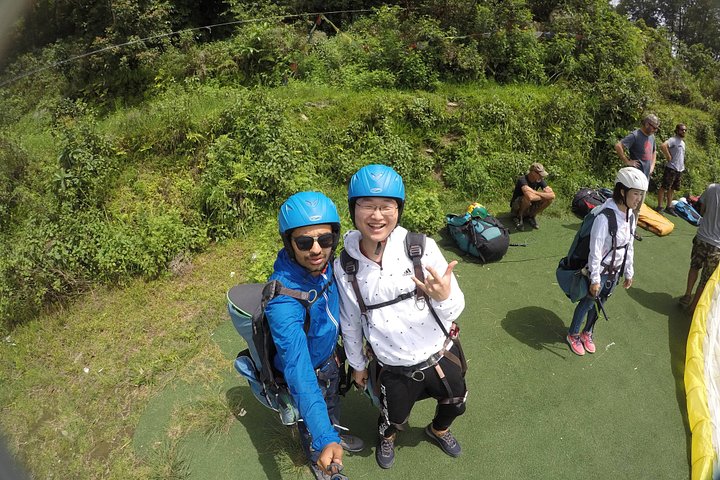
Set the alarm early for the Sarangkot sunrise. Transport is usually a taxi or a tour pick-up in the dark, and the ridge fills with visitors before dawn, so dress warmly. After the sunrise, you have three choices that all start in the same hills. A tandem paragliding flight from Sarangkot gives you a thermal ride above the lake, the ZipFlyer drops head-first down the ridge and an ultralight flight from the airport offers a different angle on the range. Choose one rather than all three, because weather, transfers and waiting take more time than you expect. Spend the afternoon resting, with lunch by the lake and a massage if your legs need it. If cloud arrives, switch to the International Mountain Museum, which gives context for the peaks you can no longer see.
Day three: the older city and a choice
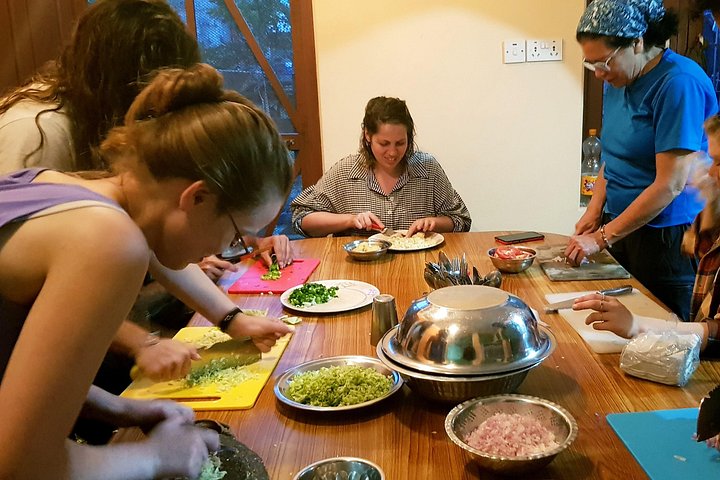
Take a taxi to the Old Bazaar and Bindhyabasini Temple, about four kilometers from the lake, for a morning among Newari-style lanes, spice shops and a busy shrine. It is a very different Pokhara from Lakeside and a good plan whether the sky is clear or cloudy. In the afternoon pick your own adventure. Davis Falls and Gupteshwor Cave make an easy half-day, a Tibetan settlements visit adds monasteries and carpet workshops, and a Nepali cooking class gives you a hands-on end to the trip. Keep your last evening free for a final boat ride or a walk along the water.
If you have one extra day
Use it for a half-day Upper Seti rafting trip, a day hike to Australian Camp and Dhampus or a quiet outing to Begnas Lake. All three work as spare days, because they are flexible and not tied to a single clear sunrise. A spare day is also your insurance policy, because paragliding and flights are canceled in poor weather, and a sunrise can be lost to cloud.
Getting around
Lakeside is walkable. For sights outside it, taxis are the simplest option, and most tours include a hotel pick-up. Agree fares before you set off, carry small notes in Nepalese rupees and keep a little cash for boats, snacks and entry fees, since not every place takes cards. Bicycles and scooters can be rented, but traffic and road conditions need care, and you should check that your insurance covers them.
Where to stay
For this plan, Lakeside is the best base. Landmark Pokhara and Temple Tree Resort and Spa put you a few minutes from the water with pools and spas, Hotel Barahi Pokhara and Hotel Pokhara Village and Spa offer central comfort at a gentler price and Trekkers Inn or Pokhara Eco Resort suit budgets. If you want a quiet retreat, The Pavilions Himalayas The Farm sits in the hills outside the town, though it needs a car for evenings out.
What to pack and when to go
October and November give the clearest air and the busiest days, spring is warm and green and the monsoon brings cloud and rain. Bring a warm layer for the pre-dawn ridge, a hat and sunscreen for the lake, comfortable shoes for the steps up to the pagoda and a small rain jacket in any season. Book flights, rafting and popular tours a day or two ahead in peak weeks, and always check current government travel advice for Nepal before you go.
The honest advice
Do not stack every activity into one day, accept that one morning may be cloudy and leave time to sit by the lake with a cup of tea. Pokhara rewards slowness, and the best moment of the trip is often the quiet one when the clouds lift from the Fishtail peak and the water goes still.