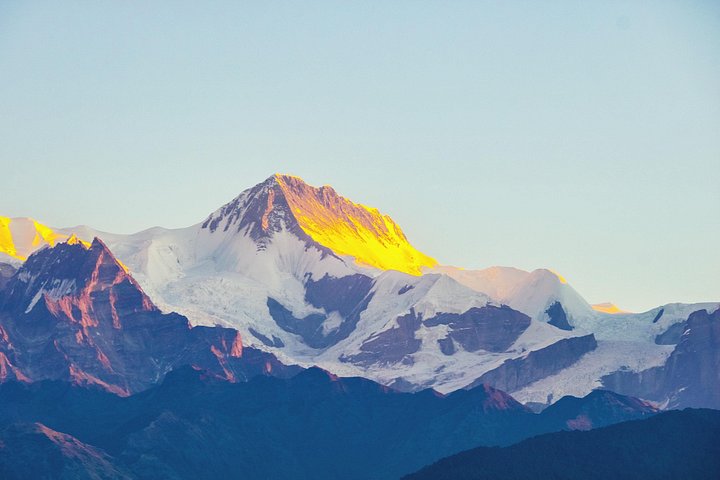
Pokhara is a place where the mountains are the main attraction, so timing matters more than almost anywhere else in Nepal. The city sits at about 800 meters in a valley, with the Annapurna range rising to more than 8,000 meters a short distance to the north. When the air is clear the effect is astonishing, and when it is not the effect is a gray sky and a pleasant lake. Here is how the year works.
October and November: the peak season
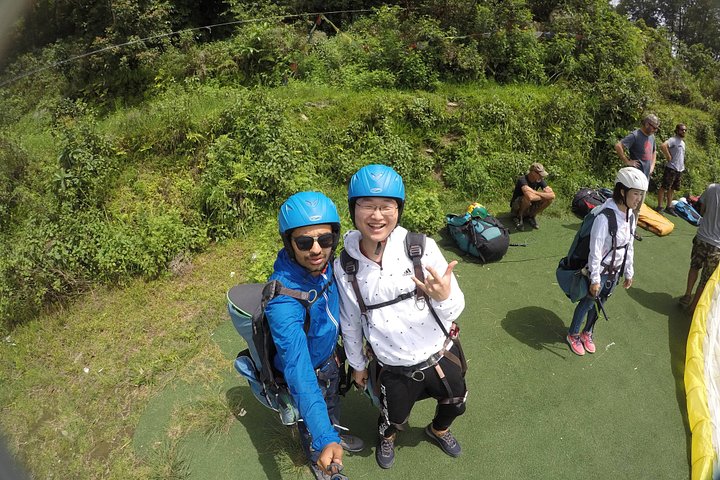
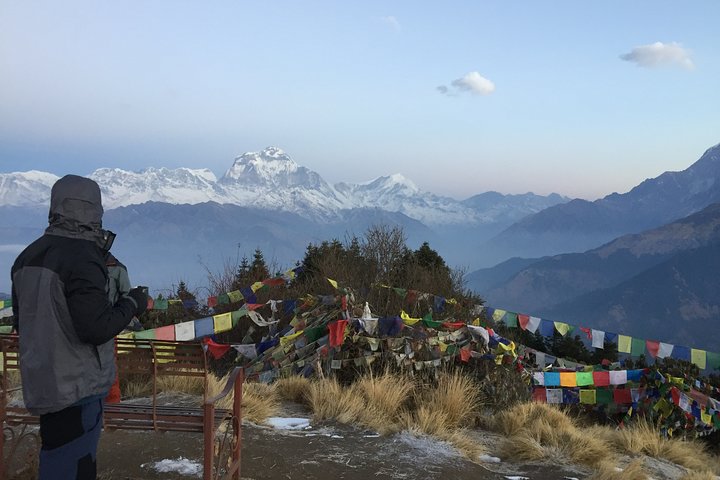
This is the right moment. The summer monsoon has washed the air, skies are dry, and the Annapurna range, Dhaulagiri and Machhapuchhre are usually sharp in the early morning. Trails are firm, daytime temperatures are mild and nights are cold at altitude. It is also the busiest time, with hotels, flights, teahouses and popular tours filling quickly, so book the things that matter ahead of time. This is the season for the Sarangkot sunrise, paragliding, Poon Hill and Mardi Himal treks and clear lake reflections. Expect higher demand, more crowds on the ridge and a lively evening scene in Lakeside.
December to February: cool, dry and quiet
Winter days are often clear and sunny, and the mountain views can be excellent in the morning, but nights and early mornings are cold, and high trails bring snow and very low temperatures. Lakeside is quieter, many travelers have left and rooms are easier to find. It is a good season for lake walks, cultural visits and lower-altitude hikes such as Australian Camp, and a poor one for high teahouse treks unless you are well equipped. Bring warm layers for the mornings, and remember that some mountain views fade into winter haze by midday.
March to May: warm, green and flowering
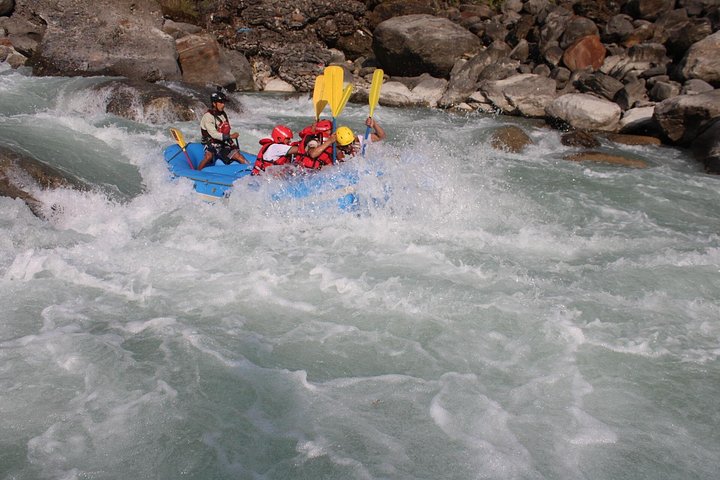
Spring is the second good season. The days warm up, rhododendrons bloom on the hill trails, and the valley is green. Mountain views are good in the early morning, though haze often builds as the heat increases, so views are generally softer than in autumn. Spring suits the Poon Hill and Mardi Himal treks, particularly for the flowers, and it is a fine season for rafting as the rivers are warmer. By May the heat in the valley builds and afternoon clouds are common, so keep your active outings to the morning.
June to September: the monsoon
Pokhara is one of the wettest places in Nepal, and the summer monsoon brings heavy rain, cloud and humidity. The mountains are often hidden for days, trails can be slippery and leeches appear on lower forest paths, and flights and paragliding are canceled more often. In exchange the valley is lush, the lake is full, crowds are small and prices are lower. If you come in this season, treat the mountains as a bonus, plan indoor and low-key activities such as a cooking class, the Old Bazaar, the International Mountain Museum or a spa day and leave flexibility in your schedule. Rafting can be energetic, since rivers run high, but conditions depend on the operator's judgment, so follow their guidance.
Choosing by activity
For paragliding, the Sarangkot sunrise and the ultralight flight, go in autumn or early spring and book a spare day. For short treks, October to November and March to May are best. For rafting, autumn and spring offer comfortable weather, and for culture, food and lake time any season works. Winter is for quiet and bargains, and the monsoon is for travelers who accept rain.
Practical points
Weather in the hills changes quickly, so even in the best season pack a rain jacket and a warm layer. Mornings are almost always clearer than afternoons, so schedule the mountain activities early. Hotels in Lakeside, such as Hotel Barahi Pokhara and Temple Tree Resort and Spa, offer pools and spas that are most useful in warmer months, while a lakeside room with a view is worth requesting at any time. Festivals shift with the lunar calendar and can bring crowds, closed shops or extra color, so check the dates for your visit if you want to join or avoid them. Before you travel, check current government travel advice for Nepal and confirm entry requirements.
The short answer
If you can choose, go in October or November and book early. If you want fewer people and a warmer valley, go in March or April. If you travel in winter or the monsoon, bring warm or waterproof layers, plan flexible days and enjoy the city for what it is, a relaxed lake town that is pleasant in every season.