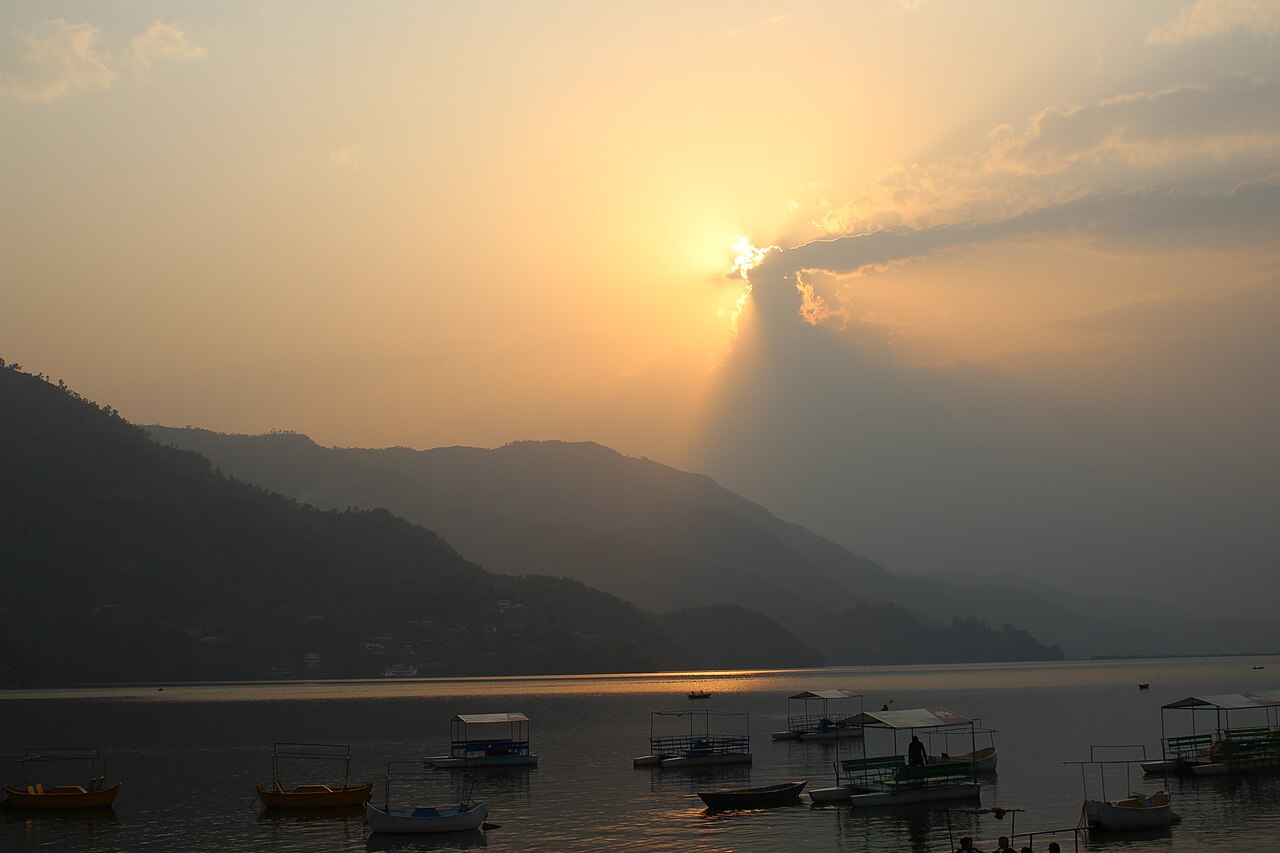
Pokhara is Nepal at a gentler pace: a lake, a long line of white mountains and a lot of ways to enjoy both. Most of what you will want to do sits within a few kilometers of the Lakeside strip, so a few days are enough for the highlights and a week is enough to add a short trek. Here is how to organize a first visit.
When to go
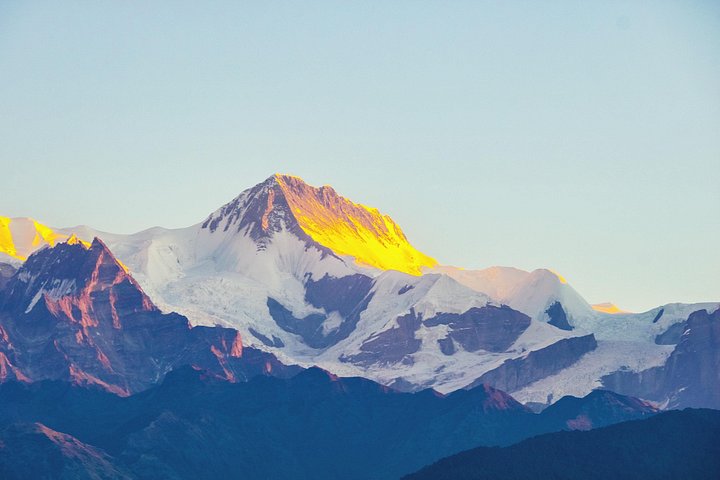
October and November are the peak season, and this is the right moment to be here. The monsoon has washed the air clean, skies are dry and the Annapurna range, Dhaulagiri and Machhapuchhre are usually sharp in the morning. Trails are firm, the days are mild and the nights are cold at altitude. Expect higher demand for hotels, flights and teahouses, and book the things that matter ahead of time. Spring is the other good season, and the summer monsoon brings cloud and rain.
Before you go
Check your government's current travel advice for Nepal and confirm visa and entry rules. Most travelers arrive by flight from Kathmandu or by a long road journey. If you plan a trek such as Poon Hill, the Annapurna Conservation Area requires a permit, which operators normally arrange. Travel insurance that covers trekking and adventure activities is wise, particularly if you plan to paraglide or fly in an ultralight.
How many days
Three days is the minimum, four is comfortable and five or six lets you add a short trek without rushing. Always leave one spare day, because paragliding, flights and mountain views all depend on weather.
Day one: the lake
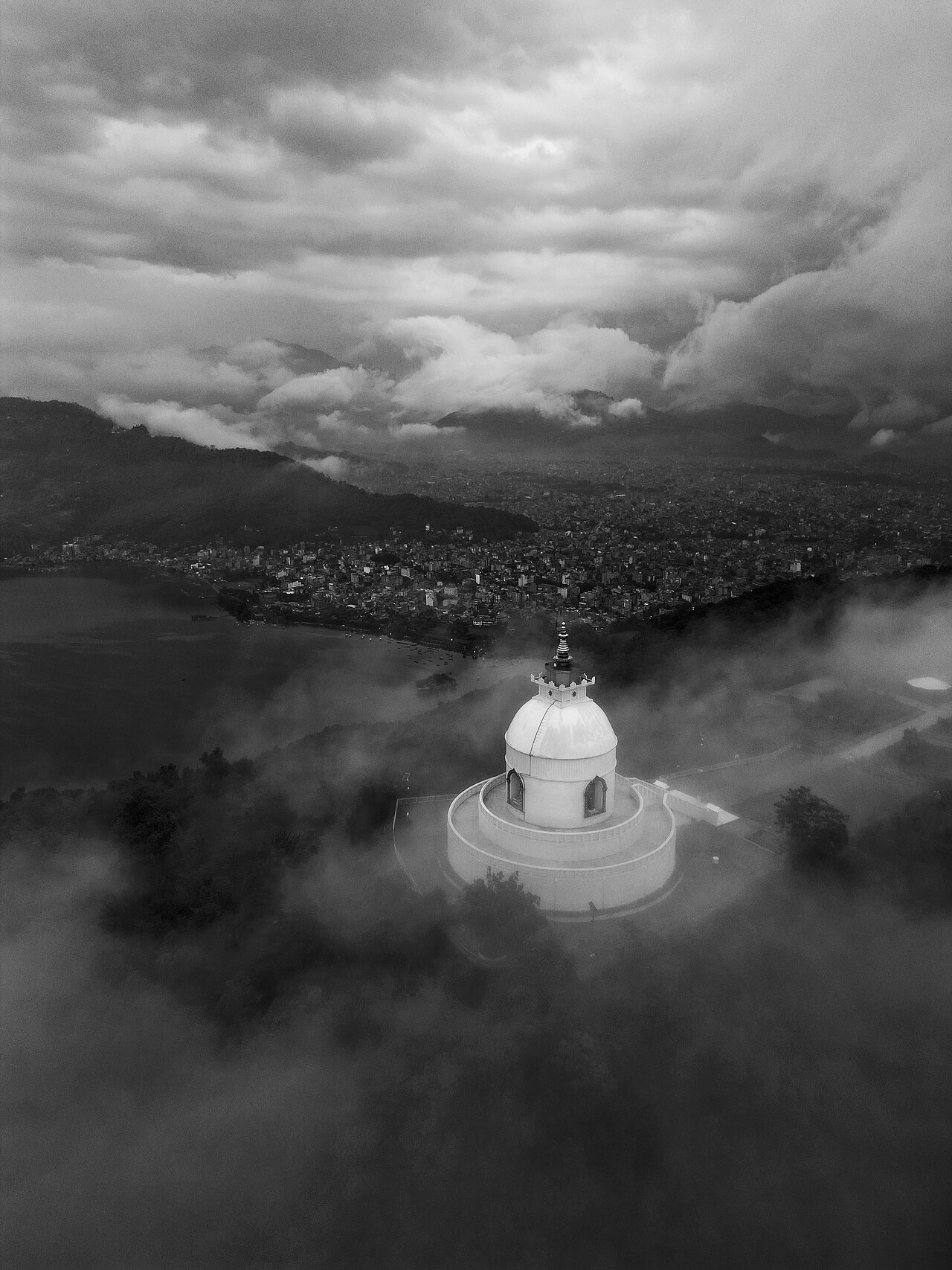
Walk the Lakeside promenade, hire a rowing boat on Phewa Lake and cross to Tal Barahi Temple, which reopened to worshippers in October 2026 after reconstruction. If you have energy, continue to the World Peace Pagoda for the view back across the water, and come down before dusk.
Day two: the mountains from above
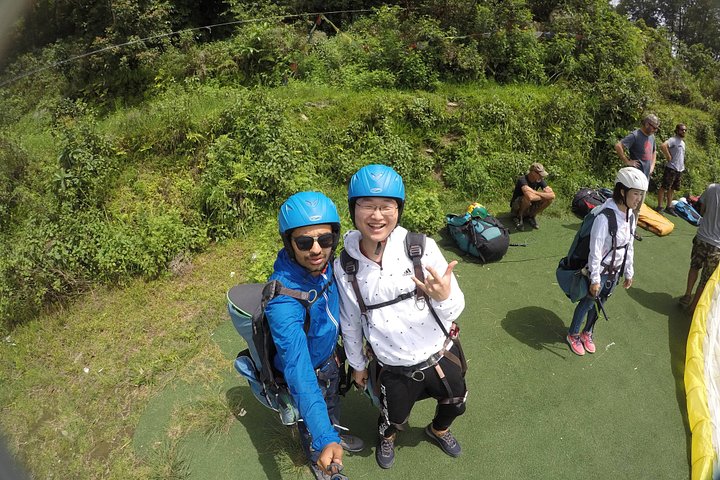
Start before dawn with the Sarangkot sunrise, then decide how adventurous you want to be. A tandem paragliding flight launches from the same ridge, and an ultralight flight from the airport gives a different angle on the range. Book the flight for the morning after your sunrise, and keep the afternoon free to rest.
Day three: city sights
Visit Davis Falls and Gupteshwor Cave, then the International Mountain Museum, which opens daily and is a good choice if cloud hides the peaks. A Tibetan settlements tour is a rewarding full-day alternative for culture lovers, with monasteries and carpet workshops.
Day four and beyond: walk
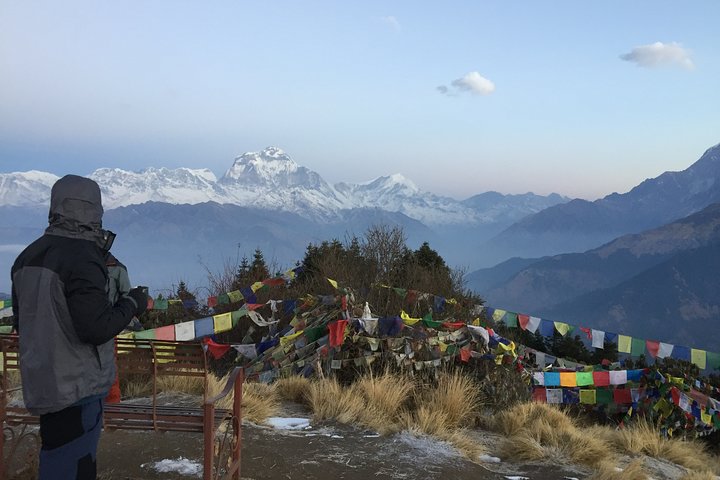
An easy Australian Camp and Dhampus day hike gives you the Himalayan view with no overnight gear. For something more committed, a short Poon Hill trek puts you on a sunrise viewpoint above Ghorepani, though remember that teahouses fill in October and November. Pack a warm layer, a headlamp and good shoes.
Getting around
Taxis are the simplest option for sights outside Lakeside, and most tours include pick-up from your hotel. Lakeside is walkable, and bicycles and scooters are available to rent, though traffic and road conditions need care. Agree taxi fares before you set off.
Where to stay
Lakeside is the easiest base for first-timers, with restaurants, tour offices and jetties on your doorstep. For a quiet retreat, consider the hills outside town. Our Where to Stay guide covers five hotels, from a farm retreat to a budget favorite.
The honest advice
Do not stack every activity into one day. Put the weather-dependent ones early, accept that some mornings will be cloudy and leave time to sit by the lake with a cup of tea and watch the mountains appear.