Pokhara is Nepal's adventure capital, and it earns the title with an unusual concentration of things to do in one small valley: you can fly above a lake, drop down a ridge on a zip-line, jump into a gorge, raft a glacial river and set out on a trek, all within a day's reach of your hotel. The challenge is choosing, and doing it safely. Here is how to build an adventure plan that works.
In the air
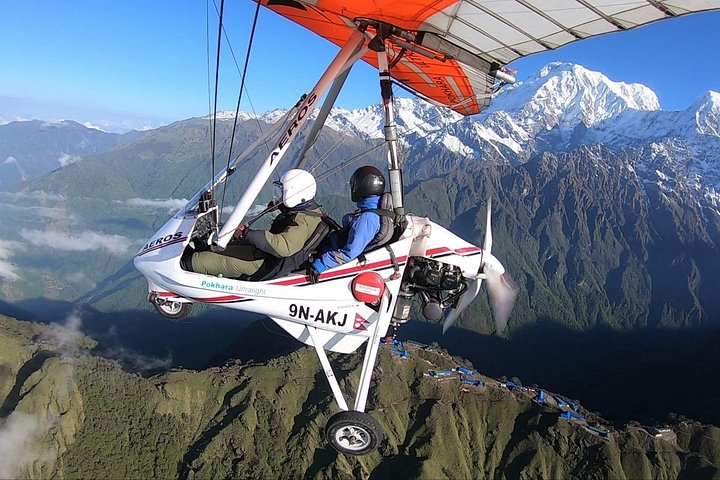
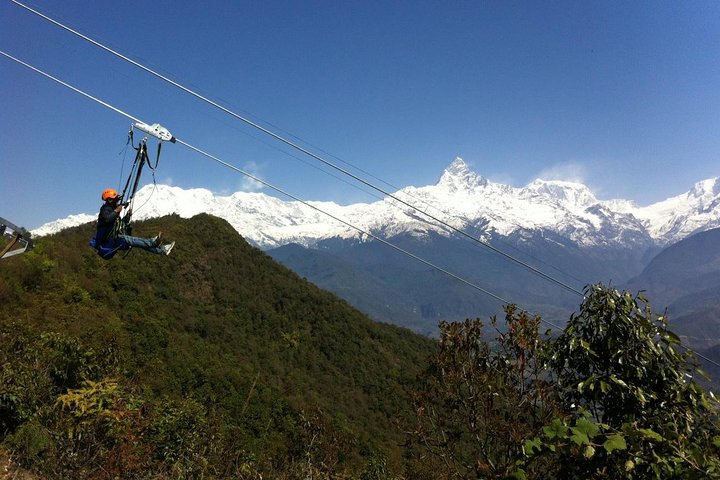
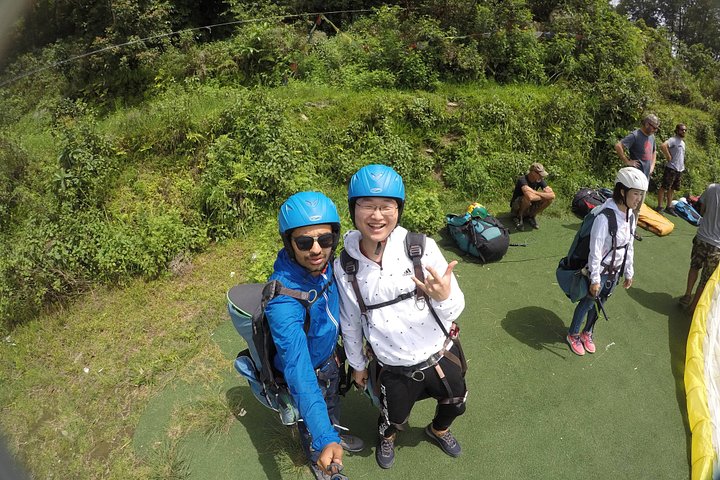
Tandem paragliding from Sarangkot is the classic: you launch from the ridge with a pilot and spiral down above Phewa Lake with the Annapurna range beside you. It needs no experience, but it depends on weather and thermals, so flights are usually in the morning or midday and can be canceled. An ultralight flight from the airport gives a very different perspective, in a small aircraft that flies out toward the range, and it suits travelers who want the view without the dependence on thermals. ZipFlyer Nepal combines speed and height, a head-first run down the ridge billed as the steepest zip-line in the world. Choose one flight as your main event and add the others only if time and budget allow.
In the gorge
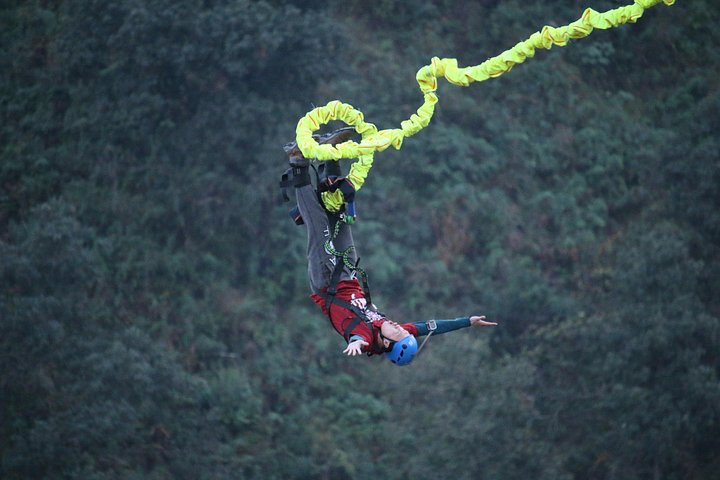
Bungee jumping in Pokhara takes place above a river gorge outside the lakeside strip. The operators are used to first-timers, and the experience is brief, with a transfer, a briefing and a single jump. It is not for everyone, and anyone with heart, back or neck problems, high blood pressure or pregnancy should skip it. If you are nervous, watch a few jumps before you decide, and ask the crew about their equipment checks.
On the river
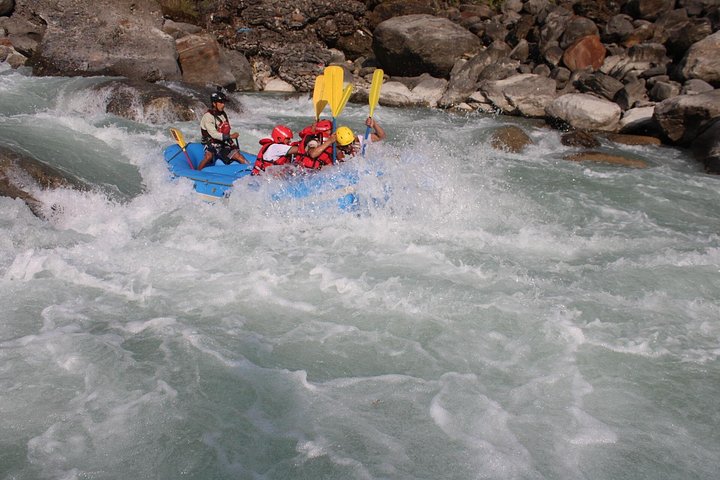
The Seti River runs milky blue through a gorge beneath the city, and the half-day Upper Seti trip is the easiest way to try white-water rafting. A guide steers and calls the commands, rapids are beginner to moderate, and the water is cold even on a warm day. Longer rafting trips on other rivers are available for experienced paddlers. Wear swimwear under quick-drying clothes, secure footwear and bring a change of clothes.
On foot
Walking is the other half of the adventure. The Australian Camp and Dhampus day hike is the easiest introduction, a ridge walk with Himalayan views and no overnight gear. The short Poon Hill trek is a step up, with a sunrise viewpoint above Ghorepani and teahouse nights. Mardi Himal is the next level, a longer ridge trek beneath Machhapuchhre with real altitude, reaching about 3,500 meters at high camp and higher at the viewpoint. Match the route to your fitness and your time, and do the easier one first if you are unsure. Permits are required for the Annapurna Conservation Area and are normally arranged by the operator.
Safety comes first
In an adventure town, the operator matters more than the activity. Choose companies with strong, recent reviews, ask about equipment, guide experience and weather policy and do not be afraid to say no if something feels wrong. Check that your travel insurance explicitly covers paragliding, bungee, rafting and trekking at altitude, because many standard policies exclude them. Listen to briefings, follow instructions at once and respect cancellations, because a canceled flight in poor weather is the system working. At altitude, ascend slowly, drink plenty of water and tell your guide at the first sign of a persistent headache, nausea or breathlessness.
Sequencing your days
Put weather-dependent flights early in your stay so you have spare days if they are canceled. Do not stack bungee, a zip-line and a flight on one day, because transfers and waiting add up and nerves are better spread out. A good pattern is a sunrise and a flight on day two, rafting on a rest day, then a trek after you have settled in. Leave a buffer day before any onward flight, since treks and weather can shift.
Seasons and budget
October and November are the best and busiest months, spring is also good, winter is cold on the ridge and the monsoon cancels many activities. Prices vary with operator and season, and a package of several activities may be cheaper than booking each separately, but only if every operator meets your safety standards. Carry cash for small extras, tip guides if you are happy with the service and keep your valuables at the hotel on rafting days.
Where to stay
Trekkers Inn is a budget base with a tour desk and luggage storage, Pokhara Eco Resort offers included breakfast and a quiet street, and Landmark Pokhara or Temple Tree Resort and Spa give you a pool and spa to recover in. Whatever you choose, a massage after a long walk is one of the best parts of the trip.