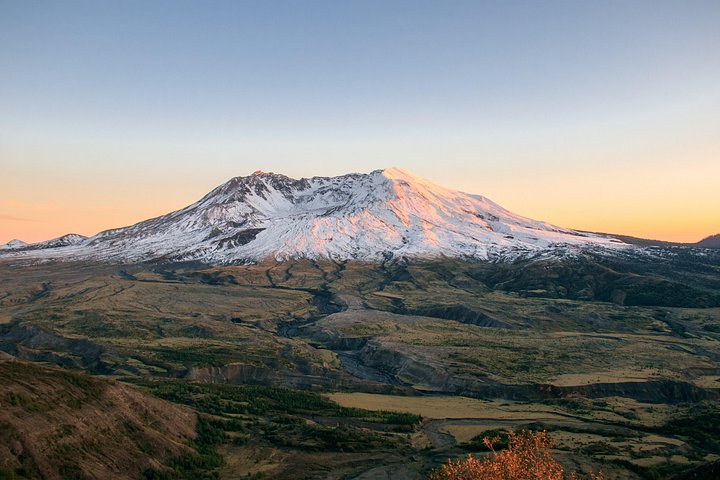
On the morning of May 18, 1980, Mount St. Helens erupted in the deadliest and most economically destructive volcanic event in United States history, collapsing its north face, flattening forest across hundreds of square miles and sending ash across the continent. The mountain, about 50 miles north of Portland across the Columbia River in Washington, is now a National Volcanic Monument, and visiting it is a lesson in how fast a landscape can be destroyed and how slowly it recovers. A small-group day trip from Portland is the simplest way to see it: the drive crosses into Washington and most itineraries head up the Spirit Lake Highway through the blast zone toward viewpoints that look into the horseshoe-shaped crater, where a lava dome has grown since the eruption. The best-known stop is the Johnston Ridge Observatory, about five miles from the crater, where displays and rangers explain the eruption and the monitoring that followed. Along the way, interpretive stops show the blown-down forest, the new growth that has come back, and the lakes reshaped by the debris. The tour rates 4.9 from 27 reviews. Operators set the pickup, length and the order of stops, so verify them when booking, and recognize that this is a long day with roughly two hours each way in the vehicle.
Season is the single most important planning fact. The upper road to the high viewpoints is usually closed by snow in winter, and the observatory itself operates seasonally, so the full view into the crater is realistic from late spring or early summer through autumn, depending on the year. Outside that window, tours and independent visitors are limited to lower-elevation stops such as the visitor centers on the approach, and the experience is correspondingly smaller.
If seeing the crater is the point, travel between roughly July and September when conditions are most dependable, and confirm what the operator can reach on your date.
Weather matters too. The volcano sits in the path of Pacific weather and is often hidden by cloud, so a clear morning can turn into a fogged-in afternoon. Bring layers, since the ridge is windy and cooler than Portland, a rain jacket, sun protection, water and a lunch or snacks, as services along the highway are sparse. Good walking shoes help at the trails near the observatory, and binoculars let you pick out the lava dome and the pumice plain below.
Compared with other Portland day trips, this one is about geology and history rather than waterfalls or wine. It suits travelers who have already done the Columbia River Gorge and want something different, and it is a good fit for curious teenagers and adults. Younger children may find the drive long. If you prefer the air, a scenic flight can give a different perspective, though ground trips deliver the sense of scale of the blast zone that photographs do not.
Keep expectations realistic about a volcano that is quiet but still monitored, and give yourself time at the observatory to read the exhibits, because they explain what you are looking at.
Allow a little time at the end of the day for the drive home through the Columbia lowlands, and consider sitting on the side of the vehicle with the best view of the mountain on the way out, since the first glimpse of the cone across the valley is one of the most striking moments of the trip.
What to expect
The experience
A guided small-group day trip from Portland to Mount St. Helens National Volcanic Monument in Washington, with stops along the Spirit Lake Highway.
Best time
Roughly July through September for the high viewpoints; winter access is limited by snow.
How long
A full day, with about two hours of driving each way.
Tips
Bring layers, a rain jacket, water and food. Confirm which viewpoints are open on your date, and expect cloud to hide the summit sometimes.
Quick picks
- Best for
- Geology and history fans and travelers who have done the Gorge and want something different.
- Families
- Better for older children and teenagers because of the long drive.
- Couples
- A big-landscape day trip with fewer crowds than the Gorge.
- Pair with
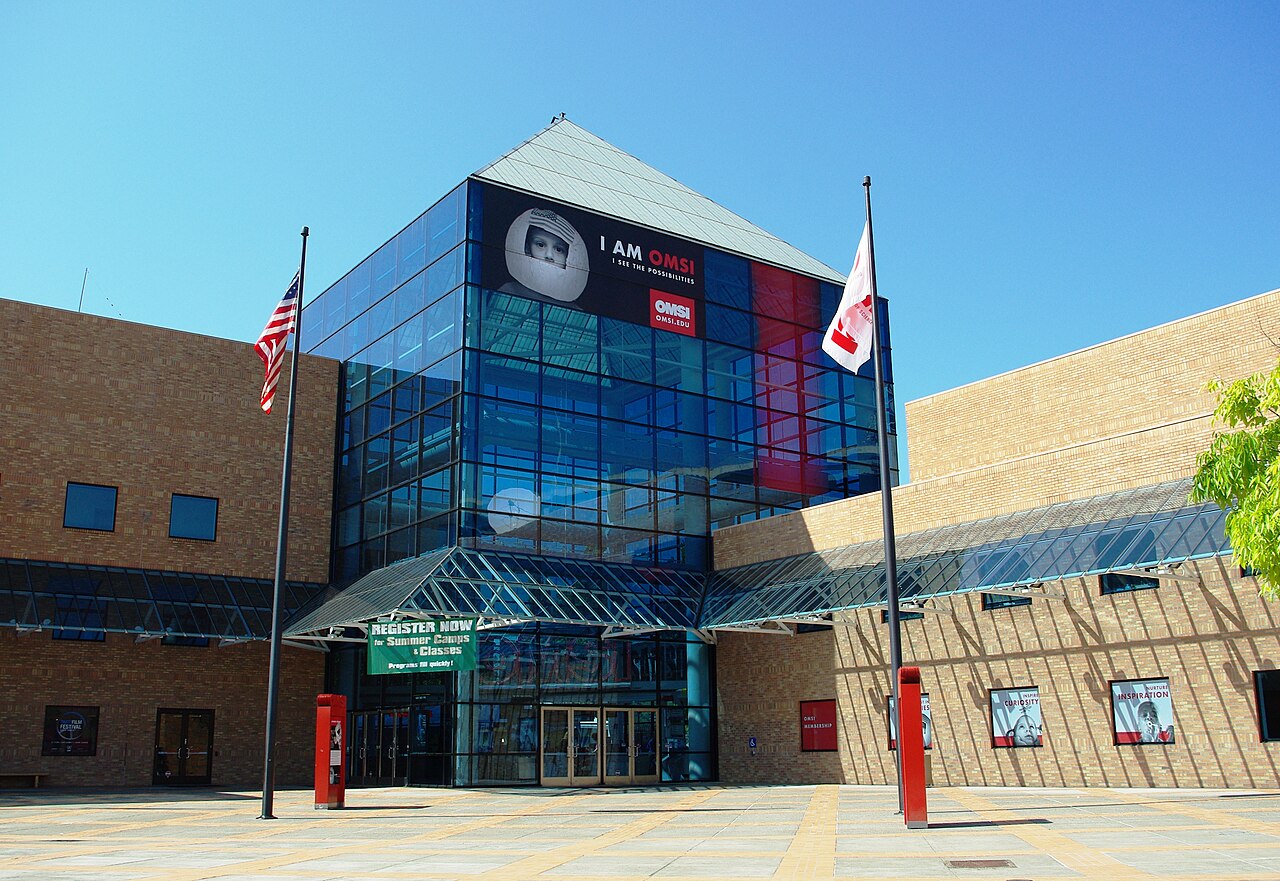
- A Columbia River Gorge day on another date, or the OMSI exhibits on geology.
- Time needed
- A full day.
Good questions
How far is Mount St. Helens from Portland?+
About 50 miles north across the Columbia River in Washington, but the drive to the high viewpoints takes roughly two hours each way.
When can I see into the crater?+
The upper road and the Johnston Ridge Observatory are generally open from late spring or early summer through autumn, and are closed by snow in winter. Confirm for your date.
What happened in 1980?+
Mount St. Helens erupted on May 18, 1980, its north face collapsed, and the blast flattened forest across a wide area.
What should I bring?+
Layers, a rain jacket, sun protection, water and food, since services along the highway are limited.
Is it suitable for children?+
It suits older children and teenagers best, because the drive is long and much of the experience is looking and learning.