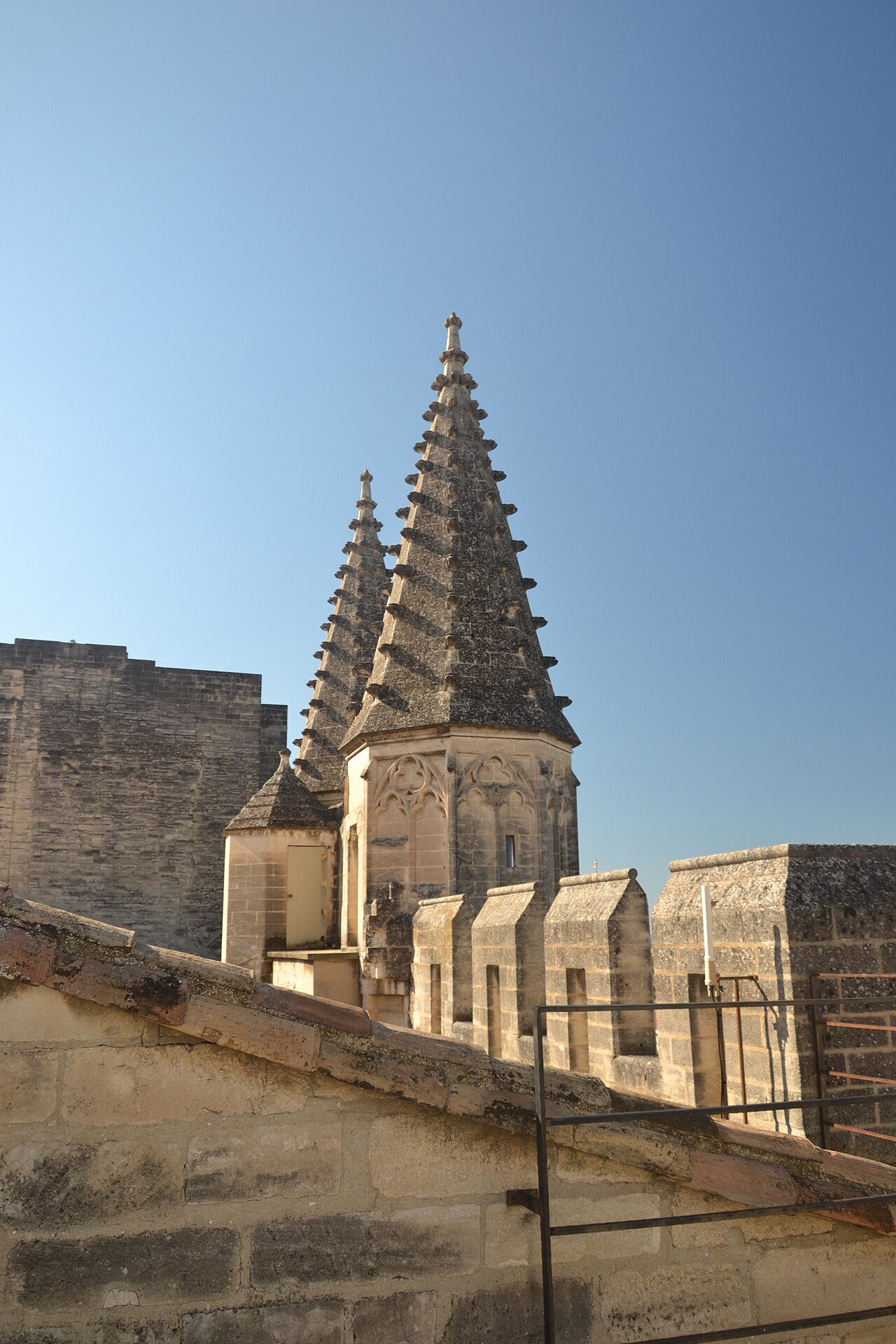
Provence works best as a base and spokes trip. Avignon gives you a walled city, a papal palace and good trains and roads, and within an hour you can reach Roman monuments, hill villages, vineyards and the towns Van Gogh and Cézanne painted. This guide is written for November, the quiet month, and it says plainly what is open and what is not.
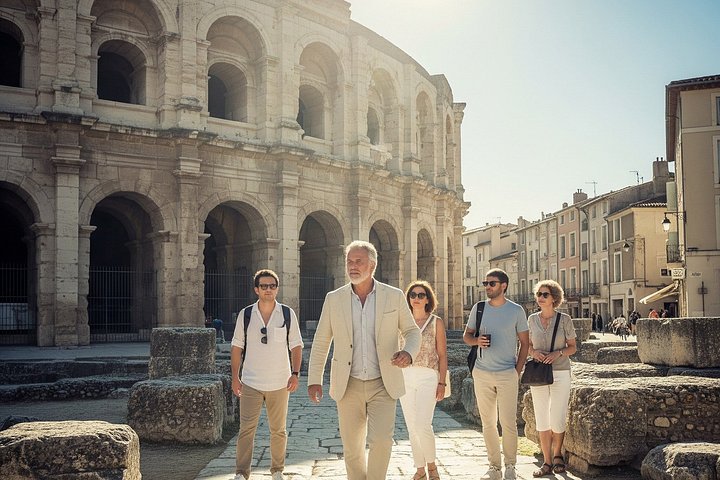
The Pont du Gard site is open every day and free to walk, but its museum and cultural spaces are closed from November to February. The Arles amphitheatre keeps winter hours of 10:30 to 16:30. Carrières des Lumières at Les Baux is open daily, and the Sunday antiques market at L'Isle-sur-la-Sorgue runs every Sunday except 1 January and 25 December.
In Aix-en-Provence the old town is open to all, but Cézanne's studio at Les Lauves has been under restoration, so check before you plan a visit. Some village restaurants and shops in the Luberon close for part of the winter, so check before you plan lunch.
The lavender is not in bloom
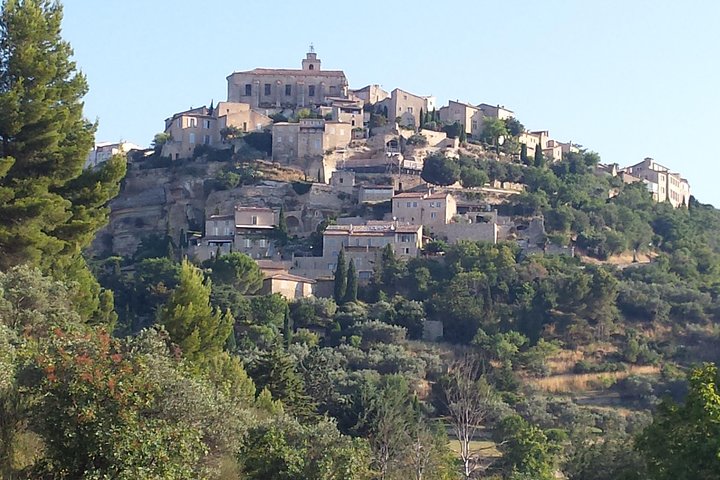
The famous fields flower from late June to early August, and in November the plateaus around Sault and Valensole are bare stubble. Do not book a lavender tour now. Instead, enjoy the Luberon villages, the ochre cliffs of Roussillon and the autumn colour of the vines, and plan a summer trip if lavender is your goal.
Book ahead, or do not
In the low season you rarely need to book weeks ahead. Buy the palace and bridge ticket, the Carrières des Lumières ticket and any wine or village tour for a specific day once the forecast looks good, ideally with free cancellation. Weekends and the Christmas period fill faster. A small-group tour to the Luberon or to Châteauneuf-du-Pape is worth reserving a few days ahead, because groups are small.
How many days
Two days covers Avignon and one excursion. Three days is the sweet spot: a day for the palace, the bridge and the old town, a day for the Luberon villages or Châteauneuf-du-Pape, and a day for Arles with the Roman monuments and the Van Gogh trail. With four or five days add the Pont du Gard, Les Baux and Aix, and if you are here on a Sunday, the market at L'Isle-sur-la-Sorgue.
Getting around
Avignon is compact and walkable. Trains reach Arles in about twenty minutes and run to Marseille and beyond, which makes Arles an easy rail day trip. For the villages, vineyards, the Pont du Gard and Les Baux, a small-group tour saves effort, while a rental car gives freedom, especially in the hills. Roads are quiet in winter, but parking in the old towns can be tight and some palace-area streets are restricted. In Aix and Arles you can leave the car and walk.
How the headline sights fit
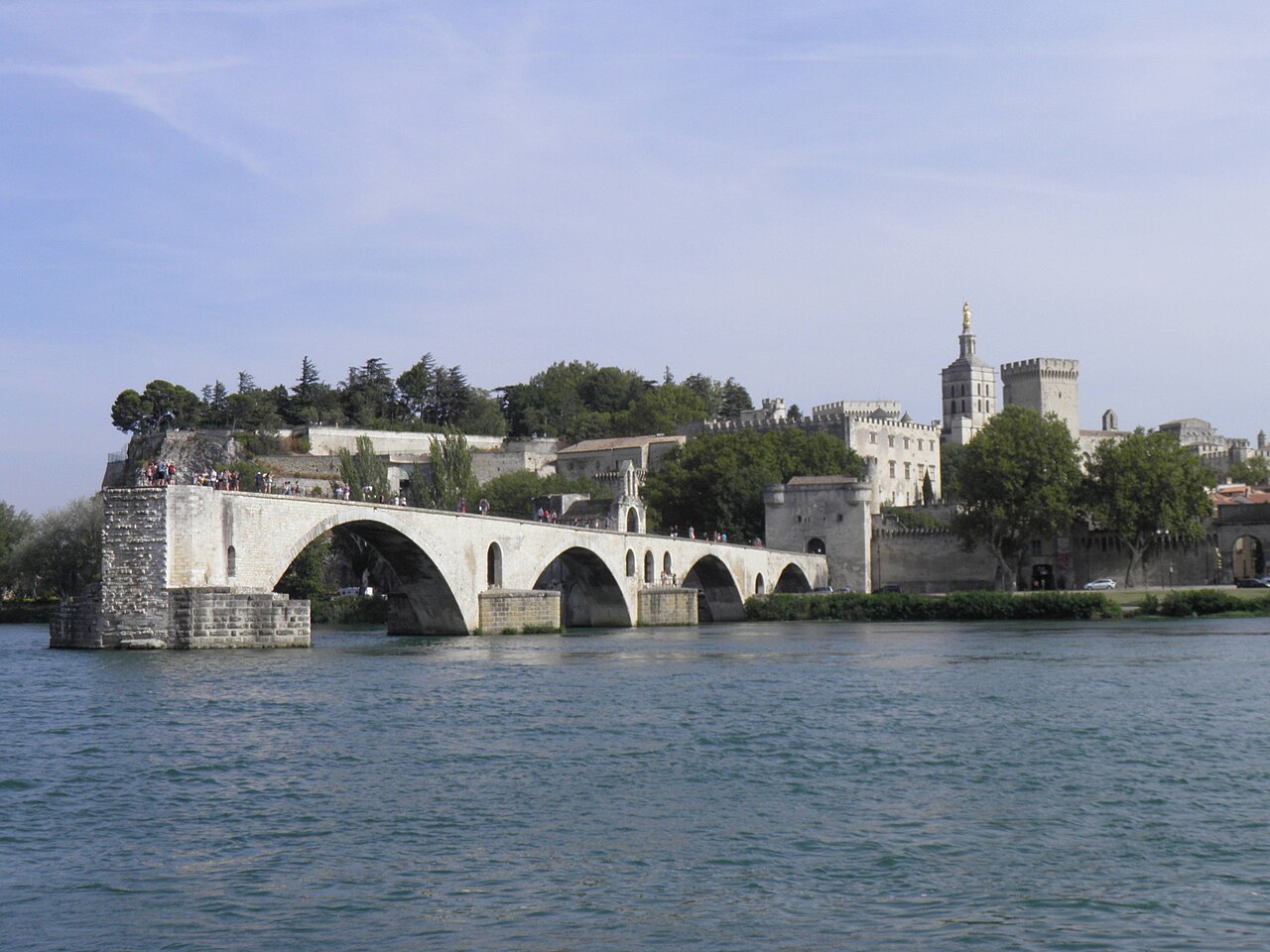
Spend your first morning at the Palais des Papes and the Pont d'Avignon, add the old town and the Rocher des Doms view in the afternoon, and keep the evening for dinner. Use a clear day for the Luberon, and keep a grey or wet day for Carrières des Lumières or a wine tour. Pair Arles with the Fondation Vincent van Gogh and, on a longer stay, with Les Baux.
What to pack
November can be mild or cold, and the mistral wind can be sharp on bridges and hilltops. Bring layers, a windproof jacket, comfortable shoes for cobbles and a scarf. Evenings come early, so plan indoor stops in the late afternoon.