Provence is a destination for all seasons, but each season gives a different trip. The right time for you depends on whether you want lavender, long warm evenings, empty monuments, good walking weather or low prices. This guide describes what each season is like around Avignon and the Luberon, with notes on crowds, weather and what is open.
Spring, from March to May
Spring is one of the loveliest times to come. Days are mild and often bright, orchards and wildflowers bloom, and the villages wake up after the winter. Markets fill with asparagus, strawberries and new vegetables, and the hiking and cycling routes are at their best. The Fontaine-de-Vaucluse spring is at its most powerful after rain. Crowds build through the season, with the busiest days around Easter and the long weekends of May, so book hotels and popular tickets ahead for those dates. Pack layers, as mornings can be cool and a shower is possible.
Summer, from June to August
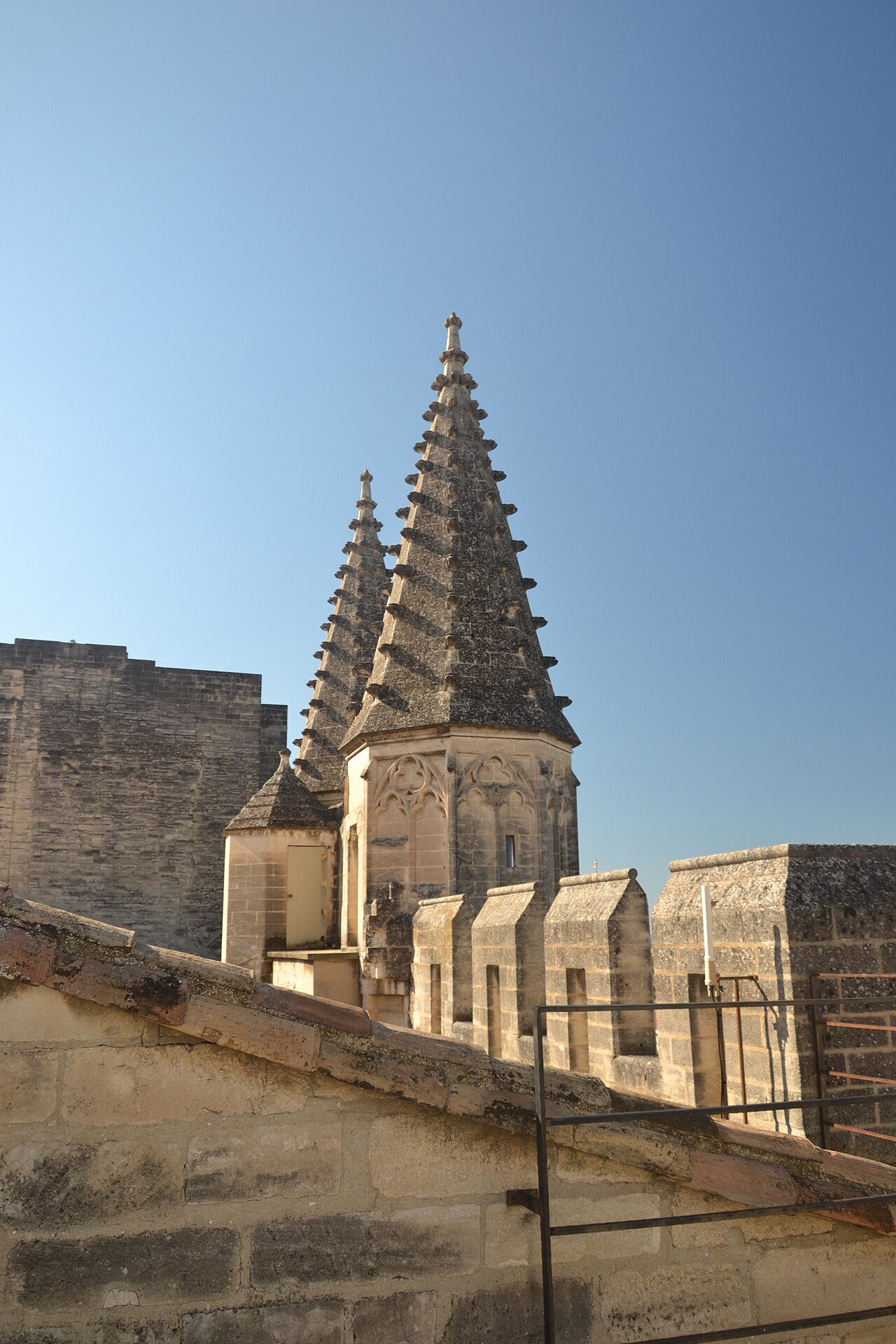
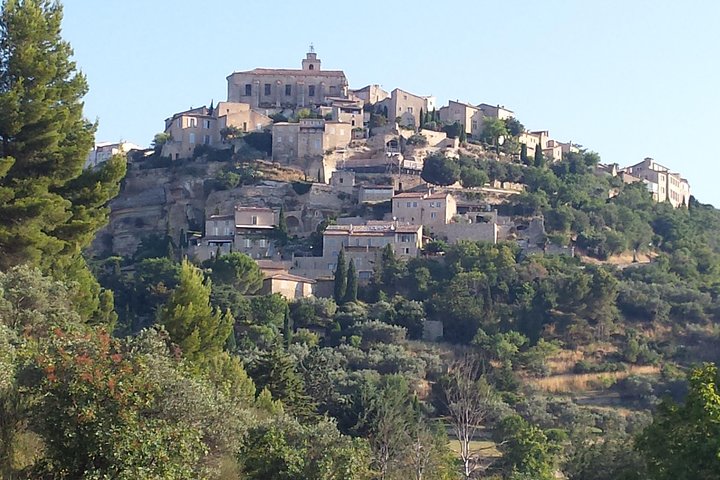
Summer is the high season and the time of lavender, which blooms from late June to early August on the plateaus near Sault, Valensole and around the Abbaye de Sénanque. Evenings are long, festivals fill the calendar and outdoor dining is at its best. The trade-offs are heat, crowds and prices. Midday can be very hot, especially in the Roman sites, which have little shade, and the busiest sights, including the Palais des Papes, the Pont du Gard and Gordes, are crowded. Book early, start your sightseeing in the morning, rest at midday and use the long evenings for dinner and walks. Some small restaurants and shops close for a summer break, usually in August.
Autumn, from September to November
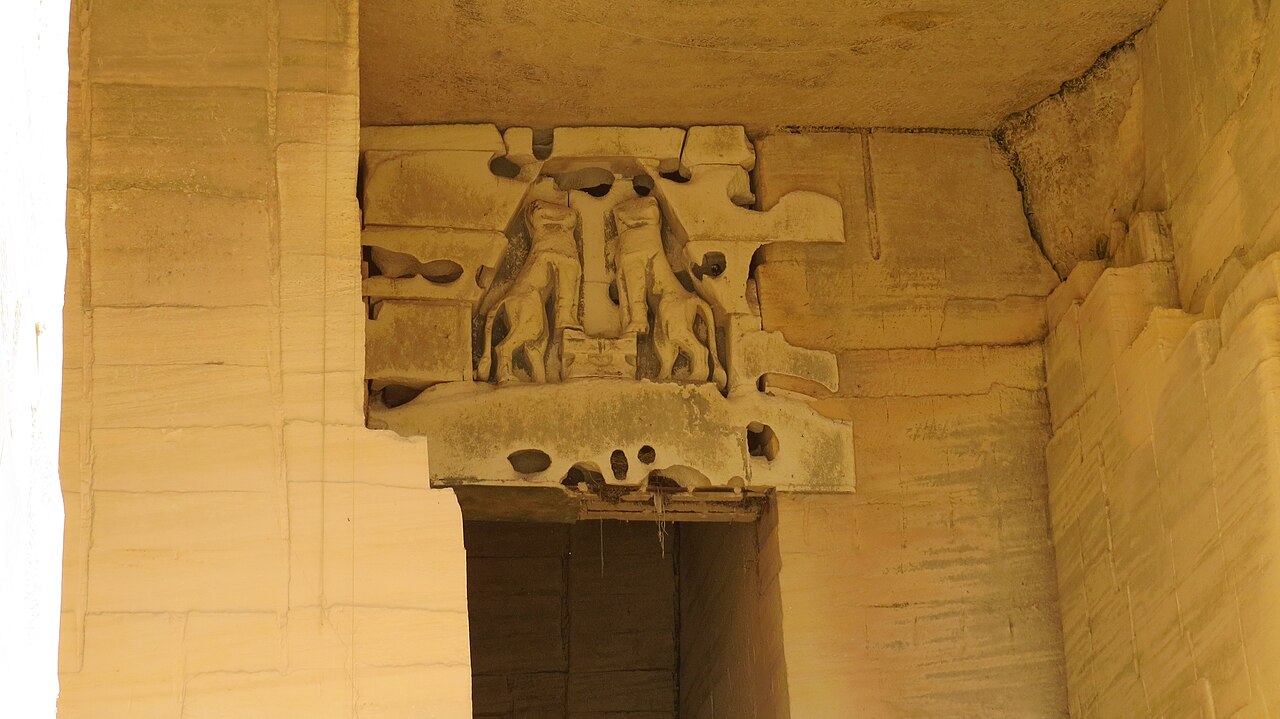
Autumn is the other great season. September and early October are still warm, the crowds thin out, the grape harvest is under way and the vines turn red and gold, which makes Châteauneuf-du-Pape and the Luberon very beautiful. Markets offer mushrooms, chestnuts, figs and the first olive oil, and truffles appear later in the season. By November the weather is cooler and shorter days make planning matter, but you will find the monuments nearly empty, hotel prices lower and the old towns calm. Some sights move to winter hours, a few close their museums, and some village restaurants and shops begin to shut for the season, so check ahead. Autumn rain can be heavy but brief, and a rainy day is a good excuse for a museum, a wine tasting or an immersive show in the old quarries at Les Baux.
Winter, from December to February
Winter is quiet and often surprisingly bright, with cold, clear days that suit walking in the hills and photography of the old stone towns. Christmas markets and the tradition of the thirteen desserts add atmosphere in December, and truffle markets run in the winter months. Many sights are open on shorter hours, and some seasonal sites and small hotels close for part of the winter, so confirm your plans. Daylight is short, so start early and keep late afternoons for cafes and museums. It is the cheapest time for hotels and flights, and a good choice for travellers who prefer peace to sunshine.
The mistral
The mistral is a strong, cold, dry wind that blows down the Rhône valley, most often in winter and spring but possible at any time. It clears the sky to a brilliant blue and can make bridges, ramparts and hilltops very exposed, so pack a windproof layer and a scarf. Gusts can make the Pont d'Avignon and the heights of Les Baux feel bitter on a sunny day. If the mistral is forecast, plan indoor visits, such as the palace, museums and cellars, and save sheltered streets and valleys for the afternoon.
Booking tips by season
In July, August and around Easter, reserve hotels and any timed tickets several weeks ahead. In spring and autumn a week or two is usually enough. In winter you can often decide a few days before, though weekends and the Christmas period fill faster.
So when should you go?
For lavender, late June to early August. For the best balance of weather, crowds and prices, May and late September are hard to beat. For quiet and low prices, late autumn and winter are rewarding if you accept shorter days. For markets and food, any season has its specialities. Whenever you come, base yourself in Avignon, check opening days for each sight and leave one day free for the weather.