Food is one of the great reasons to come to Provence, and the good news is that you do not need a fortune or a booking at a famous restaurant to eat very well. The region's cooking is built on olive oil, garlic, herbs, tomatoes, vegetables, lamb, fish and good bread, and the best meals are often the simplest: a market picnic, a plate of local cheese, a long lunch at a village bistro. This guide covers the markets, the wine, the dishes to look for and a few habits that make eating here easier.
Start with a market
The covered market of Les Halles in Avignon is the easiest introduction, with around forty traders selling cheese, olives, charcuterie, fish, bread, pastries and wine, plus a coffee bar and counters where you can eat. It is closed on Mondays and busiest in the morning, so go mid-morning for the best choice. Outside Avignon, the markets of the region run on set days: the Sunday antiques and food market at L'Isle-sur-la-Sorgue is a favourite, and Saint-Rémy and Orange have their own weekly markets on other days, so ask at your hotel which one is on. Buy bread, a soft goat cheese, a ripe tomato, olives and a bottle of rosé, and you have a lunch for a fraction of a restaurant bill.
What to order
Look for dishes that taste of the region. Daube provençale is beef slowly stewed in red wine, and it is a winter staple. Soupe au pistou is a vegetable soup finished with basil, garlic and oil. Tapenade, made from olives and capers, comes as a spread with bread, and aïoli is a garlic mayonnaise served with vegetables and salt cod. Ratatouille and tian are vegetable dishes, brandade is salted cod with potato and oil, and lamb from the nearby hills often appears roasted with herbs. Near Arles, look for gardiane, a bull stew from the Camargue. For sweets, try calissons, an almond and melon candy from Aix, nougat, fougasse bread and honey, and the winter tradition of the thirteen desserts at Christmas.
Wine
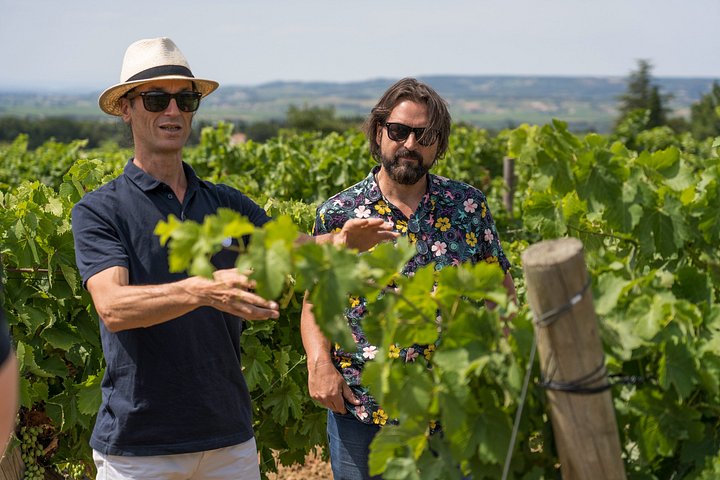
The wines of the southern Rhône are among the best in France, and several famous names are within easy reach of Avignon. Châteauneuf-du-Pape, named for the papal castle whose ruins overlook the vines, produces powerful red blends and some rare whites, and a half-day wine tour from Avignon gives you tastings in the cellars and a view from the old castle. The Luberon and the Ventoux regions make lighter, fruitier wines at friendlier prices, and Côtes du Rhône is the everyday red that appears on most menus. Rosé is the signature of the region, drunk young and cold, and it suits lunch on a terrace better than almost anything. If you are driving, remember that tastings add up, so a tour with a driver is the sensible choice.
How restaurants work
Many places offer a fixed-price lunch menu on weekdays, often called a formule or menu du jour, which is the best value of the day and gives you a starter and main dish or a main and dessert for a modest sum. Kitchens usually open for lunch around noon and close by about two, and reopen for dinner from about seven. Tables fill quickly on Saturday night and at weekends, so book ahead for dinner, and expect that small restaurants in villages close on one or two days a week and sometimes for the winter. A service charge is already included in French menu prices, so tipping is optional, and a small extra is a courtesy rather than a rule.
Eating well on a budget
Picnics from the market, lunchtime menus, bakery lunches of a quiche or sandwich, and a shared plate of cheese and charcuterie with a glass of wine keep costs down. Tap water is safe, and asking for une carafe d'eau gets you a free jug. Avoid restaurants with big picture menus in the busiest squares, and walk a street or two away to find places where locals eat. For a splurge, book one memorable dinner, such as the gourmet restaurant at La Mirande or a long lunch in a village.
Classes and tastings
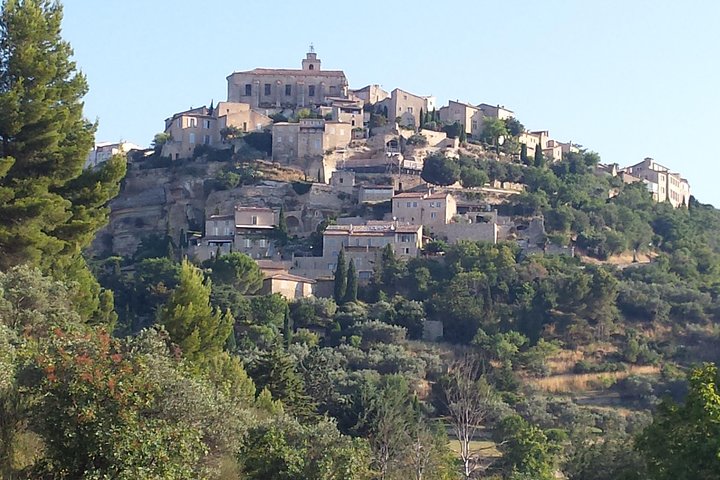
If you want to learn, cooking classes at hotels and in local kitchens, olive oil tastings in Gordes and wine tastings in Châteauneuf-du-Pape give a hands-on introduction. Book a few days ahead, as groups are small, and mention any dietary needs in advance.