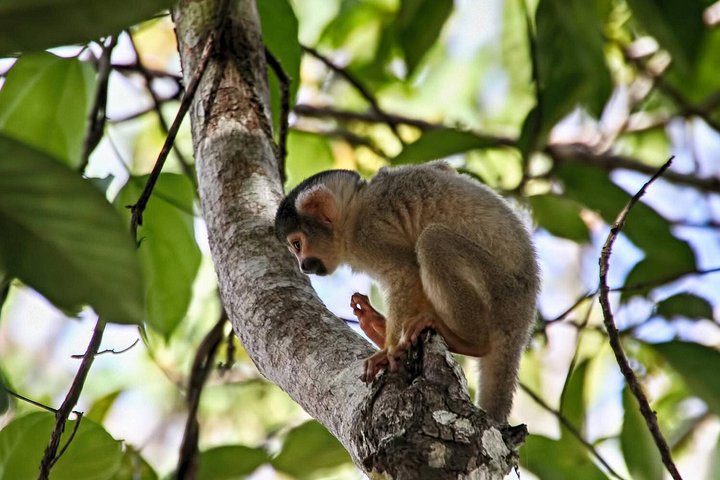
The choice of where to sleep shapes a trip to Puerto Maldonado more than almost anything else. There are three broad options: a hotel in town, a lodge on the Madre de Dios River within a short boat ride, and a more remote lodge on the Tambopata River. Each offers a different balance of comfort, convenience and wildlife, and many travelers combine them. This guide explains the pros and cons.
Town hotels
Staying in Puerto Maldonado gives you flexibility, lower prices and access to restaurants, markets and tour operators. Properties range from simple budget stays such as Libelula Hotel to mid-range options like Copasu Hotel and the eco lodge feel of Wasai Puerto Maldonado Eco Lodge, which sits near the town and the airport. The advantage is that you can take day trips to Lake Sandoval, a clay lick or a farm, and return to a shower and air conditioning. The disadvantage is that you do not wake up in the forest.
Riverside lodges near town
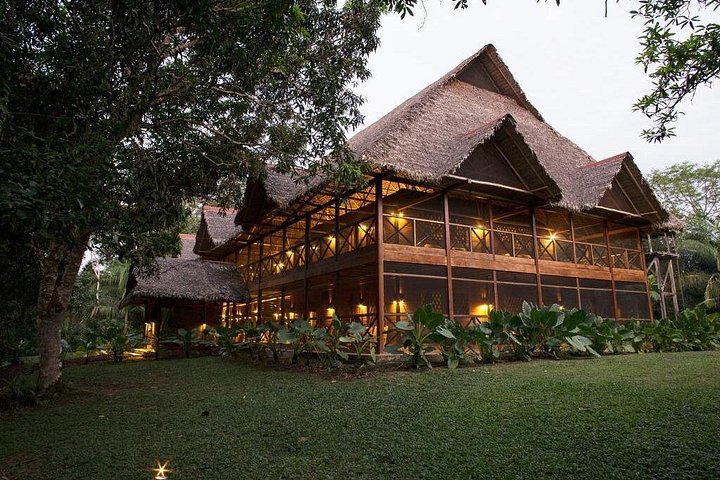
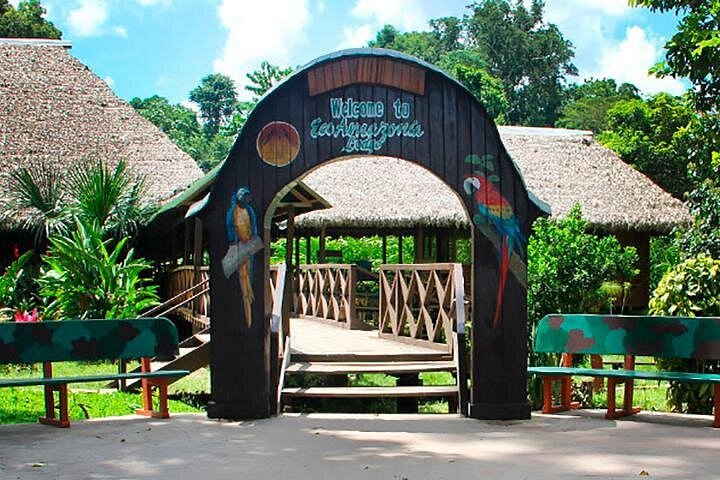
Lodges such as EcoAmazonia Lodge and Inkaterra Hacienda Concepcion are a short boat or road-and-boat journey from town. They give you a taste of the forest, with guided walks, night excursions and a quieter setting, without a long transfer. They suit first-time visitors, families and those with only a few days. A stay of two or three nights is typical, and many lodges offer packages that include meals and activities.
The upscale choice
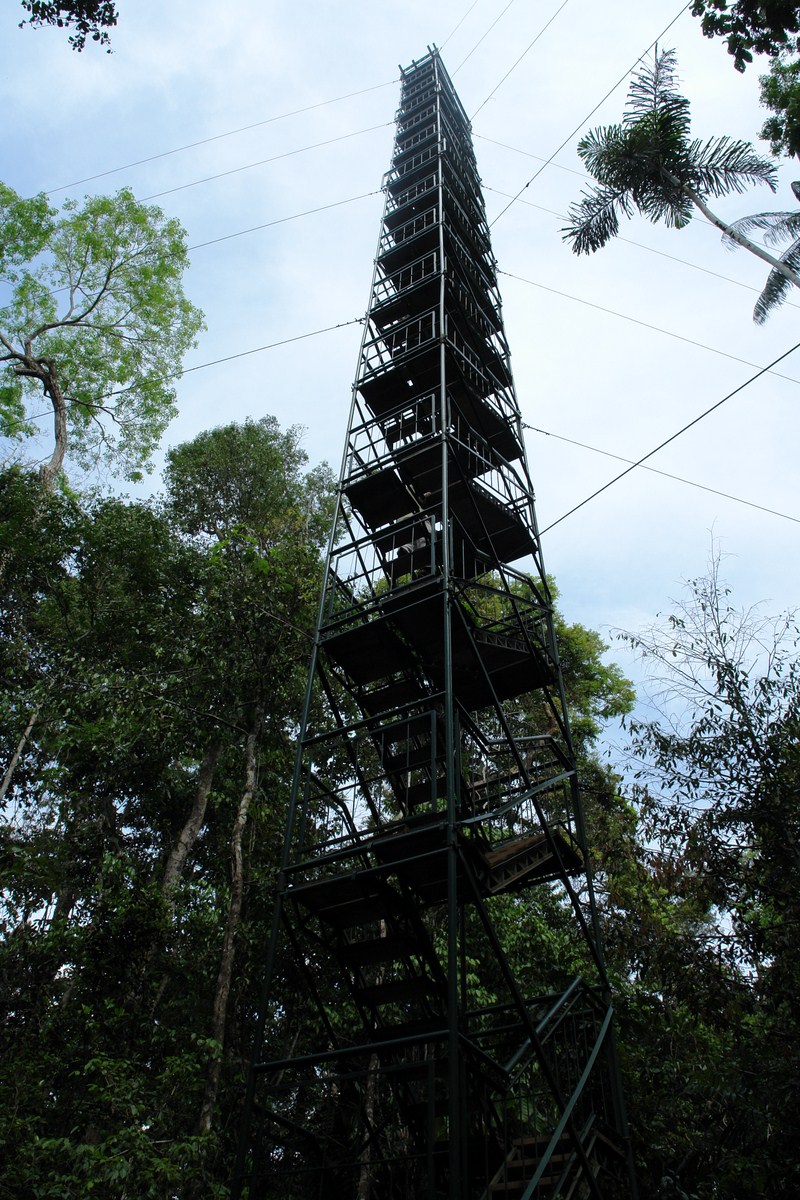
Inkaterra Reserva Amazonica is the best-known comfortable lodge in the region, with private cabanas, a canopy walkway and naturalist guides. It is a premium option but well regarded for balancing comfort and nature. Couples and travelers who prefer a more polished experience often choose it. IKAM Riverview Amazon Lodge, associated with a Peruvian hotel group, is another comfortable option for those who like a known brand.
Remote lodges on the Tambopata River
Posada Amazonas and Refugio Amazonas lie farther into the reserve, reached by a longer journey by road and river. They offer deeper forest, richer wildlife chances and access to clay lick areas, along with a sense of remoteness that is hard to find closer to town. They make the most sense for stays of three nights or more, and for travelers whose main goal is wildlife. Posada Amazonas also has the distinction of being linked with a local Indigenous community.
Comfort levels
Expect a wide range. Town hotels offer air conditioning, hot water and wifi in most cases. Lodges usually provide private rooms and nets but may limit electricity and hot water, with little or no internet. Remote lodges are the most basic in terms of conveniences. Check room descriptions carefully, and ask about the details that matter to you.
Matching the stay to the traveler
Families with young children often prefer a town hotel or a nearby lodge with short transfers. Couples may enjoy an upscale lodge or a remote lodge for the atmosphere. Birdwatchers and photographers benefit from remote lodges or clay lick programs. Budget travelers can mix a simple town stay with day trips and perhaps one lodge night. Solo travelers can meet others on group tours and in shared lodges.
Practical tips
Book lodges in the dry season well ahead. Keep a night in town on either side of a lodge stay, to protect against flight delays. Ask about the transfer schedule, since some lodges run boats at set times. Pack a small bag for the lodge and leave the rest at your town hotel. Confirm what is included in the price, such as meals, guiding and fees, and check the child policy if you are traveling with children.
Our suggestion
For a first visit, combine a night or two in town with a two- or three-night stay at a lodge close to Puerto Maldonado. If wildlife is your main goal and you have time, add a stay at a remote lodge on the Tambopata River. If budget matters, stay in town and use day trips to fill your days.
A note on star ratings
Star classes in this region reflect facilities rather than the quality of the nature experience. A three-star lodge with excellent guides can be a better wildlife base than a more comfortable property with an average program. Read the details of the activities and the transfer times as carefully as you read the room description, and ask the operator what a typical day looks like.