Tambopata is a lowland rainforest, so it is warm and humid throughout the year, but the seasons still make a real difference to your trip. The most important divide is between the drier months and the wetter months. Each has its own character, and the right choice depends on what you want to see and how much comfort you need. This guide explains the pattern in general terms so you can choose with confidence.
The dry season, roughly May to October
This is the most popular time to visit, and for good reason. Rain is less frequent, trails are firmer, river travel is easier and days are often sunny. Wildlife is easier to see in some ways, because animals concentrate near water sources as the forest dries. Macaw and parrot clay licks tend to be more active, with many mornings producing strong gatherings. The downside is that lodges and tours are busier and prices can be higher, so book ahead.
Cold snaps in winter
In the middle of the dry season, between about June and August, a weather pattern known locally as a friaje can bring cool air from the south. Temperatures can drop sharply for a few days, with overcast skies and wind. It is not common to be truly cold, but a light fleece or jacket is wise. Mosquito activity may fall during these spells, which some travelers enjoy.
The wet season, roughly November to April
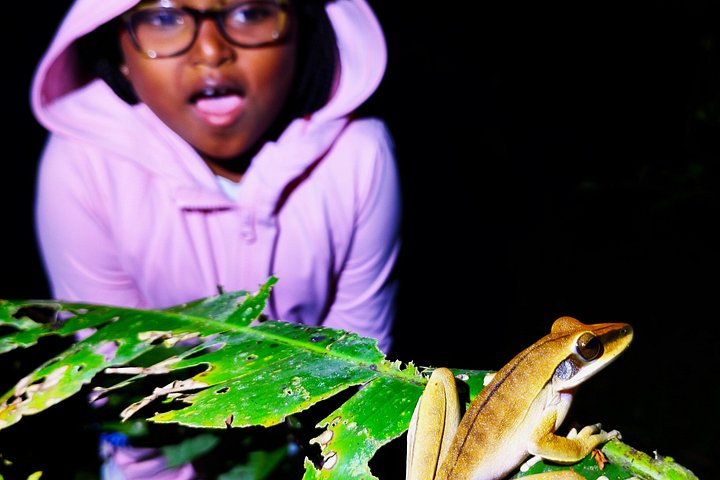
Rain is more frequent, often arriving as afternoon downpours or heavy overnight storms. The forest turns lush and green, the rivers rise and some trails can be muddy or flooded. Boat travel can take longer in some places and easier in others, and some activities may be adjusted. In exchange, the crowds thin out, lodges are quieter and prices may soften. Frogs and insects are active, and night walks can be especially lively after rain.
Birds and clay licks
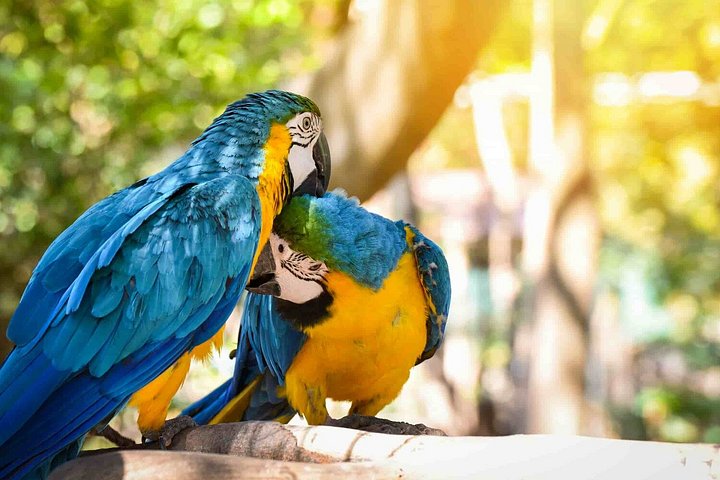
Birdwatchers can find rewards in any month, but clay lick watching is often best in the drier part of the year, when the birds visit the banks more regularly. In the wetter months, rain can keep them away on a given morning, though a clear spell can still produce a strong show. Resident birds are present year round, and migrants swell the numbers at certain times of year.
Lakes and giant otters
Lakes like Sandoval are open all year. Water levels shift with the seasons, which changes how the wildlife is distributed. Giant otters can be seen in various months, but nothing is guaranteed. Caimans and hoatzins are present throughout the year. Ask your guide how current water levels affect the day.
Heat, humidity and comfort
Daytime temperatures are high in all months, with humidity making it feel hotter. The driest months can feel a bit more comfortable, particularly in the early mornings and evenings. In the wet season, expect sticky heat and plan siestas in the middle of the day. Quick-drying clothes, a hat and plenty of water are important in every month.
Crowds and prices
July and August are the busiest months because they coincide with school holidays in the Northern Hemisphere and the best weather. Peruvian national holidays in late July can also fill hotels and flights. If you can travel in May, June or September, you may find the weather close to ideal with fewer visitors. The wetter months, particularly January to March, can offer good value for flexible travelers.
Our advice
If comfort and reliability matter most, choose May to October and book early. If you want a quieter trip and do not mind rain, consider the shoulder months or the wet season, and bring a good rain jacket and a flexible attitude. Whatever you pick, plan a buffer day for flights, since weather can delay them in any month.
A month-by-month feel
January to March are the wettest and greenest months, with quiet lodges and high rivers. April is a transition, with showers easing. May and June bring clearer skies and good wildlife. July and August are the peak, with the best weather and the biggest crowds. September and October stay dry and warm and can feel hotter before the rains return. November and December see the first big storms. Use this as a rough guide and check conditions with your operator.