Eating well on Rhodes is easy once you know where to look. The island has a long food tradition shaped by Greek, Italian and Ottoman influences, a thriving wine region in the hills and a coastline that supplies fresh fish. It also has a lot of restaurants aimed squarely at day visitors, particularly on the busiest squares of the Old Town, so a little guidance goes a long way. This guide covers what to try, how to choose and how mealtimes change from season to season.
Dishes to look for
Start with the classics that every Greek table offers: a horiatiki salad with ripe tomatoes, olives and feta, grilled meats, slow-cooked stews and plates of fried or grilled fish. Then look for island specialities. Pitaroudia, crisp fritters made from chickpeas, herbs and onion, are a Rhodian favourite and a good starter to share. Many tavernas serve dishes built on local vegetables, greens and legumes, which are especially good in spring and winter. For something sweet, try melekouni, a sesame and honey bar that is made across the island and sold in bakeries and shops, along with almond sweets and spoon sweets made from fruit and nuts. Ask what the kitchen recommends, because the best dishes are often not on the tourist menu.
Wine and spirits
Rhodes has one of the oldest wine traditions in the Aegean, and the island's vineyards sit on the slopes of the interior, around the villages of Embonas and Siana. The main local grapes are Athiri, which makes crisp white wines, and Mandilaria, a deep red variety. Many wineries welcome visitors for tastings, usually in the warmer months, and a guided wine tour or a taverna in Embonas is an easy way to taste them. Look also for souma, a strong clear spirit distilled from grapes or figs, which is traditionally served in small glasses with a plate of mezze and is best sipped slowly. If you prefer beer or a soft drink, the local choices are the same as on the mainland, and a Greek coffee or a cold frappe is a fixture of the afternoon.
How to choose where to eat
In the Old Town, the busiest squares and the streets nearest the main gates are packed with places where the menu has pictures and staff call out to passers-by. Walk a street or two further into the lanes, or out into the modern district of Neochori, and the standard improves. Look for short menus, a mix of Greek and local customers and dishes that reflect the season. A courtyard table in the Jewish quarter or a harbour-front taverna at Mandraki is pleasant in the evening, but check that prices are shown clearly. Bakeries, which open early, sell cheese pies, spinach pies and sweet pastries that make a cheap and satisfying breakfast, and the old market near the harbour is a good place for fruit, nuts and honey.
Mealtimes and habits
Greeks eat late. Lunch is usually from about two in the afternoon, and dinner rarely starts before eight, with the busiest hour around nine. Meals are shared, so ordering several dishes for the table is the best approach, and bread and water often arrive with the meal. Service is relaxed, and the bill is brought only when you ask for it. Tipping is modest: rounding up or leaving a few euros is the norm. Cards are widely accepted in the town, but cash helps in villages and small bakeries.
Eating through the seasons
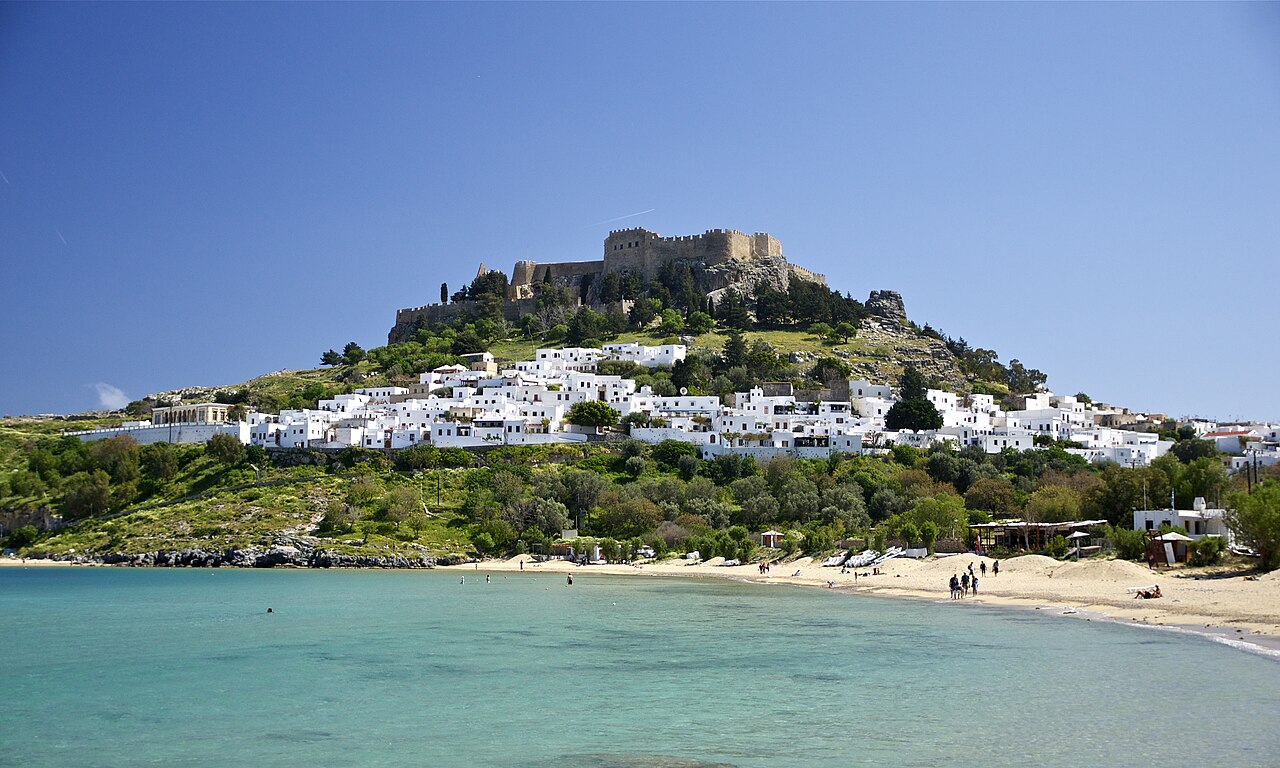
In summer, tables spill out into every lane, and booking is wise for popular places in Lindos and for sunset spots on the coast. In spring and autumn, the weather is ideal for long lunches outside and the choice is excellent. In winter, a number of seasonal beach bars and tourist restaurants close, but many tavernas in the Old Town and the new town stay open for local customers, with heartier food, wood-fired stoves and a quieter atmosphere. It is worth checking the opening days and hours of any place you have your heart set on, especially on Tuesdays and Sundays.
Food and sightseeing
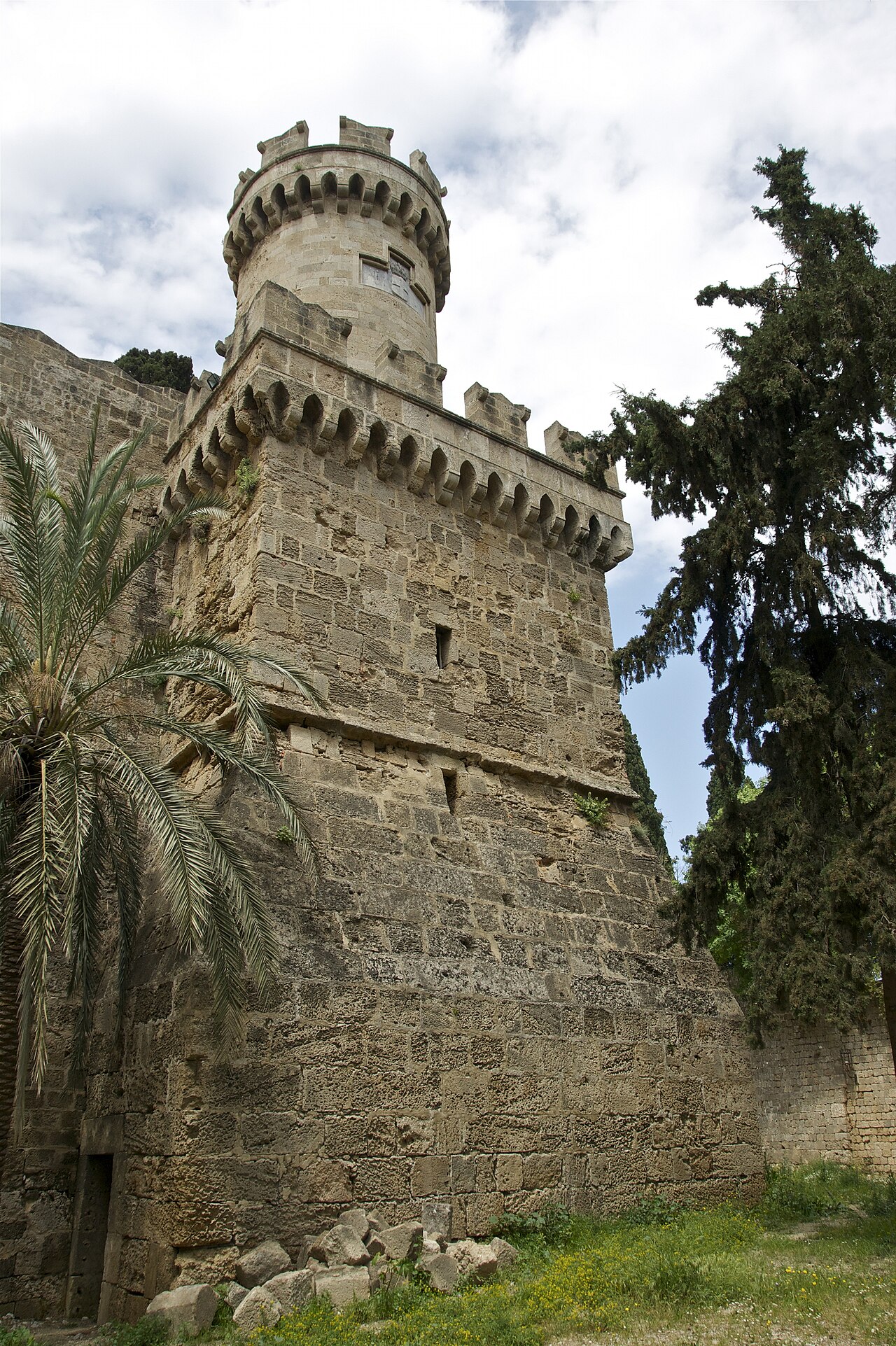
A good day pairs a sight with a meal. Lunch in the lanes after the Palace of the Grand Master, a picnic of bakery pies on Monte Smith before the sunset, a swim and a seafood lunch near Lindos, or a village taverna stop on the west coast between Kameiros and Monolithos all make the day richer. If you are staying in a place with a kitchenette, such as Domus Studios in the Old Town, a visit to the market and the bakeries for breakfast supplies is a pleasure in itself.