Few islands in the Mediterranean have as many layers of history as Rhodes. Greek city-states, Roman governors, Byzantine monks, Crusader knights, Ottoman sultans and Italian architects all left their marks, and most of them are still visible. This guide arranges the island's history into a route that you can follow in four or five days, in the order that makes the story easiest to understand.
Start with the ancient Greeks
In the fifth century BC three cities, Lindos, Ialysos and Kameiros, joined to found the city of Rhodes, a planned town laid out on a grid by the architect Hippodamos. Ancient Kameiros on the west coast is the best place to see what an early Greek town looked like. You walk along paved streets between the foundations of houses, a market square and a temple terrace, with the sea behind, and it is far quieter than most archaeological sites. On the hill above the city, Monte Smith preserves the remains of a temple of Apollo, a small theatre and a restored stadium, and gives a view over the town and the straits towards Turkey.
Add Lindos and the Hellenistic Age
Lindos, on the east coast, was a major harbour and sanctuary. Its acropolis crowns a hill above a white village and holds a Doric temple of Athena Lindia, a long stairway, a Hellenistic portico and later Knights' walls. The climb is steep and exposed, so go early or late in the day. This is also the place to think about the Colossus of Rhodes, the giant bronze statue of the sun god Helios, built in the third century BC and brought down by an earthquake a few decades later. No trace remains and its exact location is unknown, but the story is part of the island's identity, and the harbour at Mandraki is the most likely area.
The Archaeological Museum
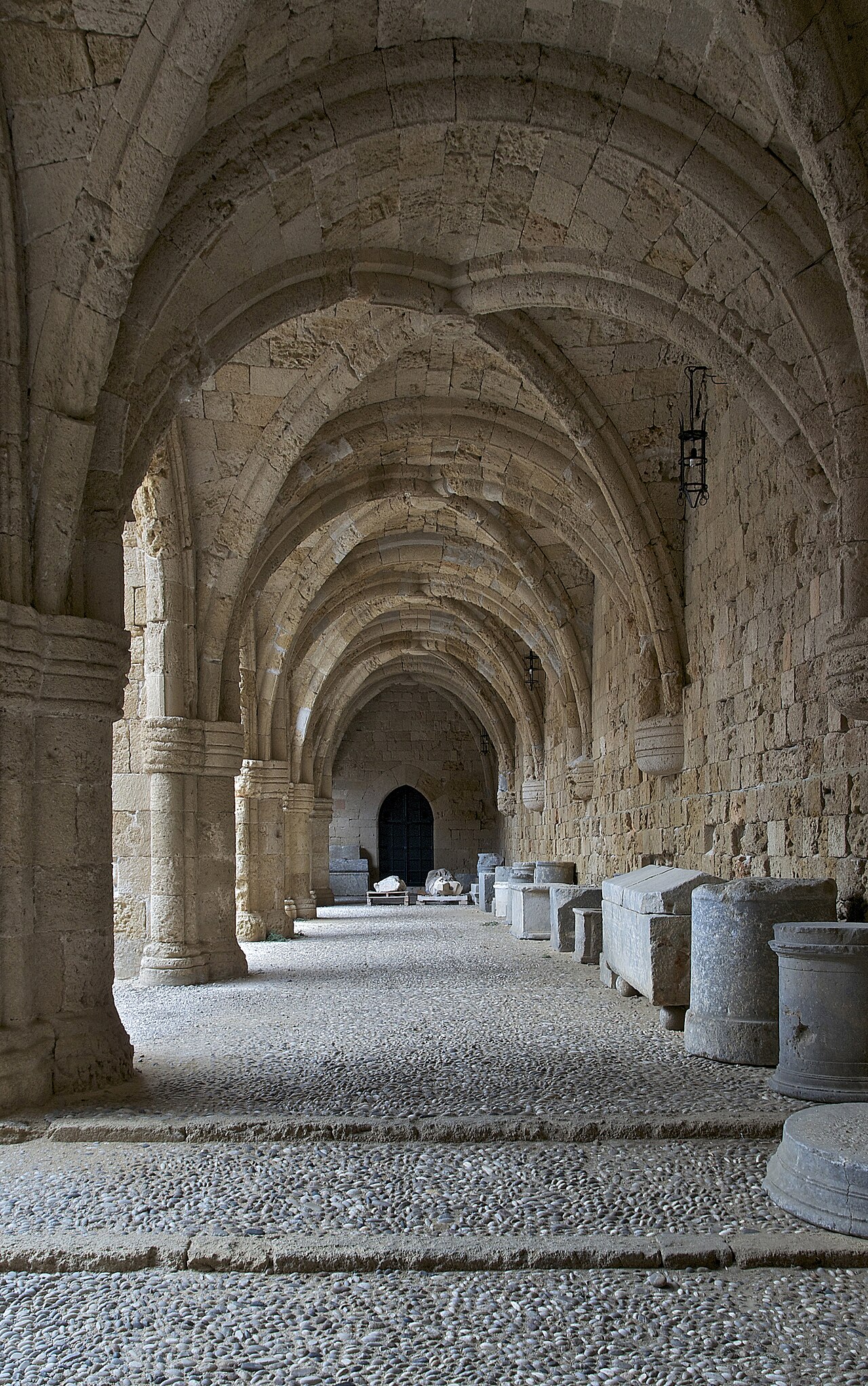
Before you move to the Middle Ages, spend an hour in the Archaeological Museum, housed in the former Hospital of the Knights. The collection includes statues, grave stones, painted pottery and the famous marble Aphrodite of Rhodes, and the building itself is a medieval showpiece, with a courtyard, stairways and an infirmary hall. It is a good bridge between the ancient and medieval worlds.
The Knights of St John
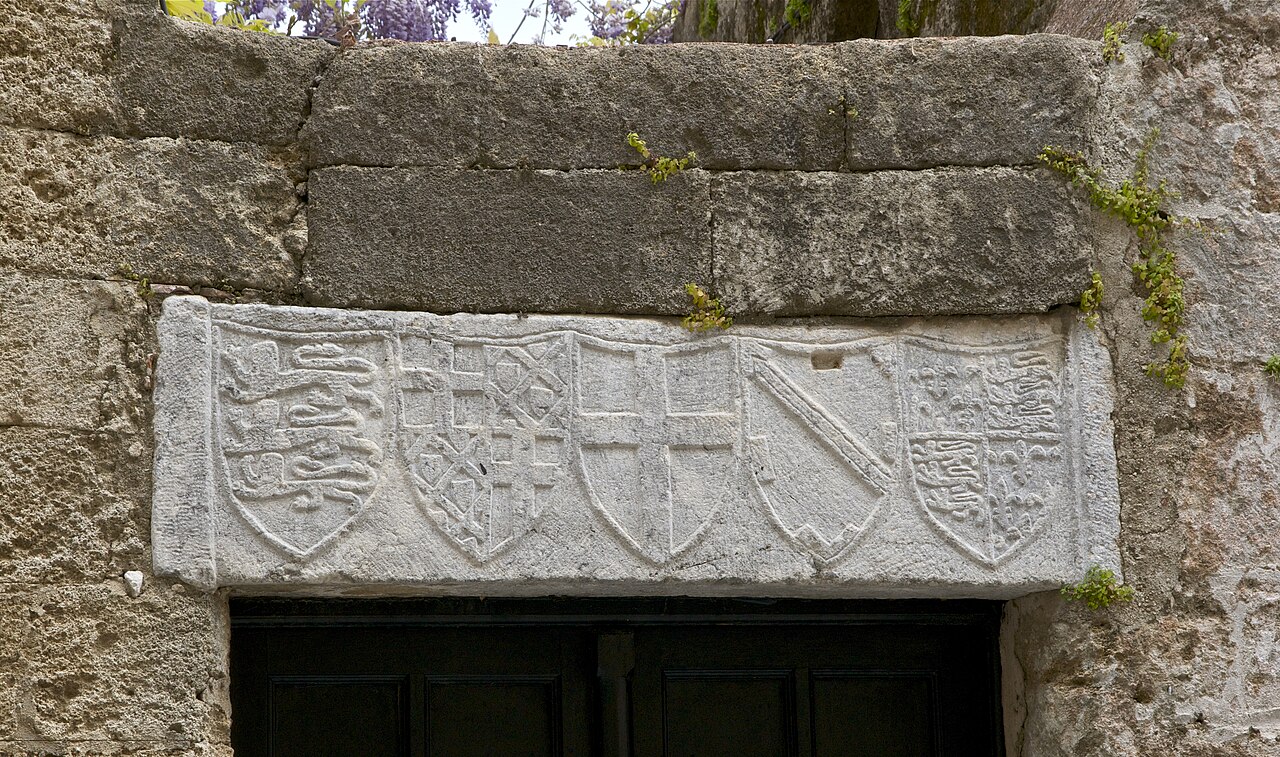
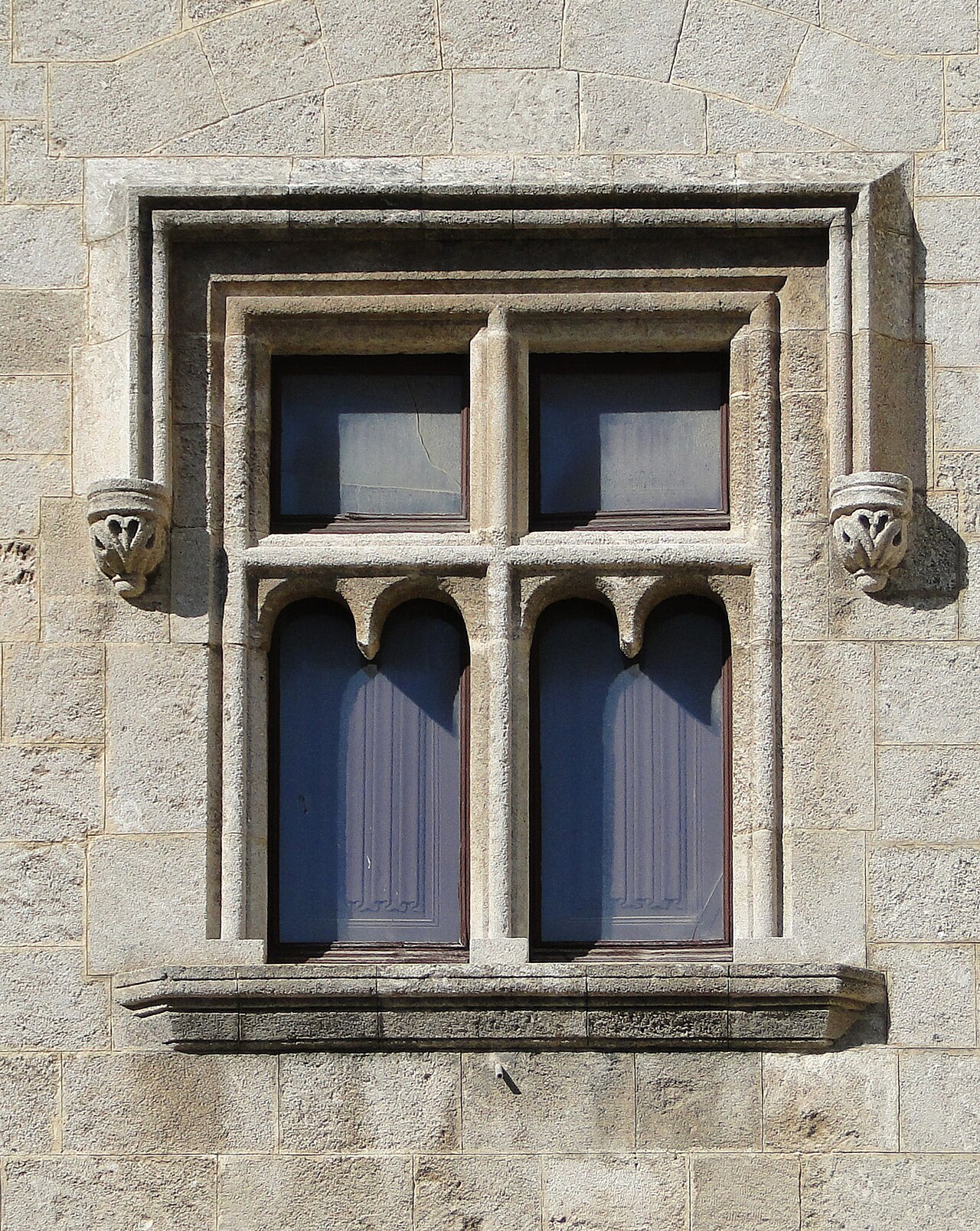
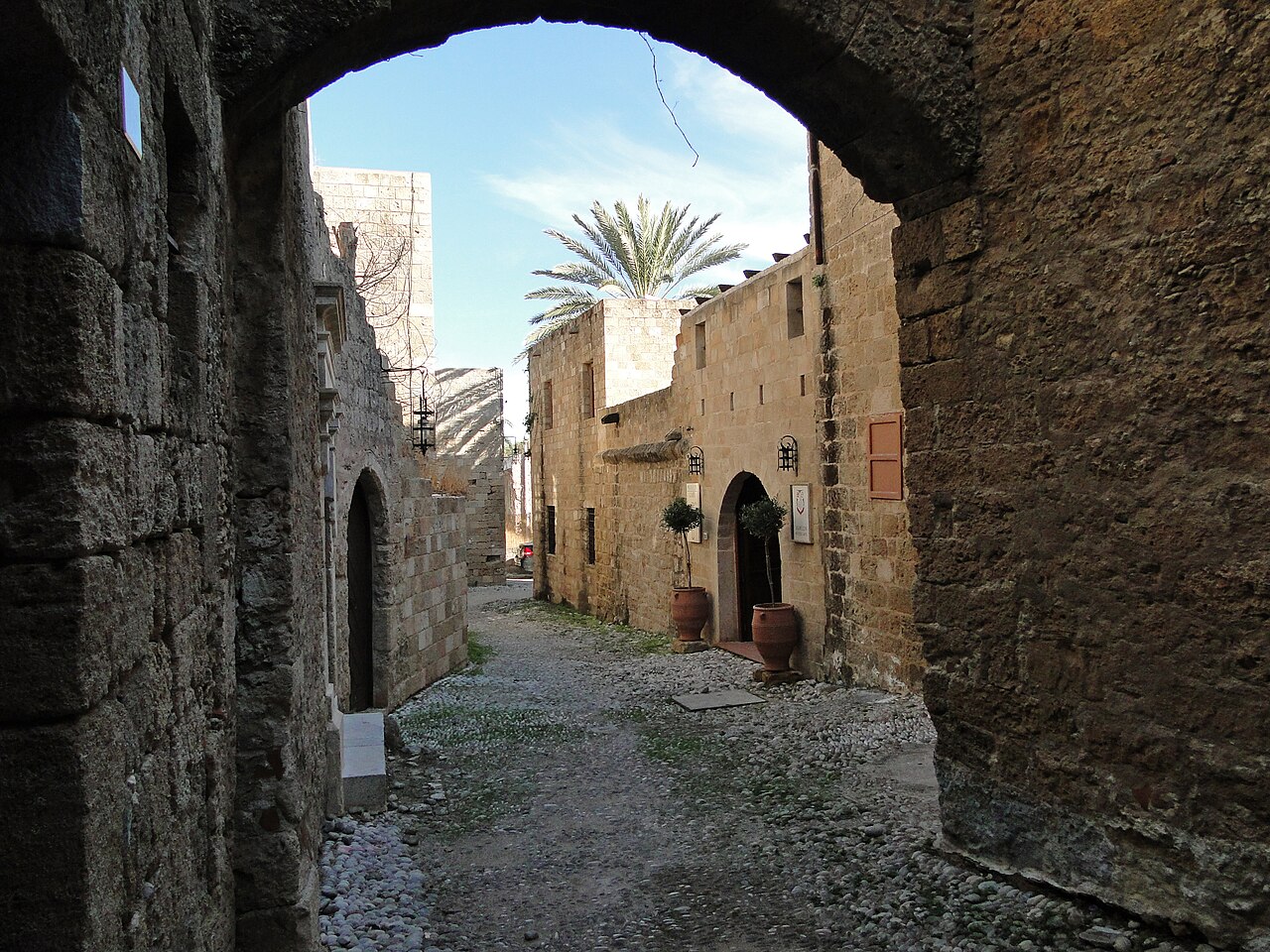
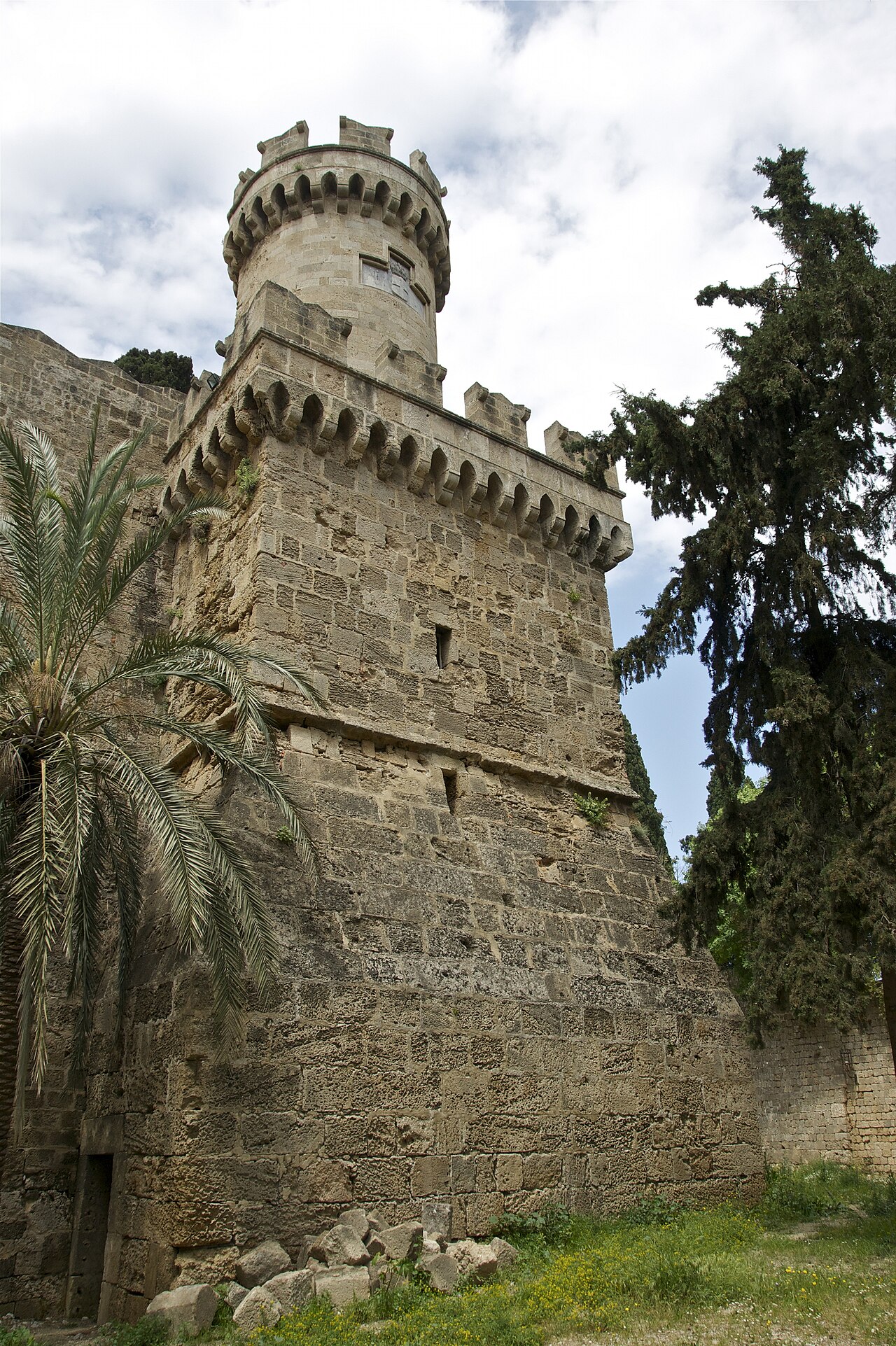
The Knights arrived in 1309 and ruled Rhodes for more than two centuries. They rebuilt the city, erected the vast walls and gates, and created the Street of the Knights, lined with the inns where the knights of each language lived. The Palace of the Grand Master, rebuilt in the twentieth century, holds mosaics from Kos and large rooms, and tells the story of the siege of 1480 and the final Ottoman siege of 1522. Outside the city the Knights built castles at Monolithos, Kritinia and Filerimos, which you can include on a drive along the west coast. Monolithos in particular, perched on a 100-metre rock, shows how the order protected the countryside.
Ottoman Rhodes
After 1522 the Ottomans ruled for almost four centuries. Look for the Suleymaniye Mosque, the Hammam, the Ibrahim Pasha Mosque, and the minarets that punctuate the skyline. Sokratous Street, once the main bazaar, still gives a sense of the old trading atmosphere, and the wooden balconies on some houses recall the period.
The Jewish Quarter
A guided walk through the Juderia is the best way to understand a community that lived on Rhodes for more than two thousand years. The Kahal Shalom synagogue, the Square of the Jewish Martyrs and the museum tell a story of Sephardic culture, trade and loss, and add depth to the Old Town's walls and gates.
Italian Rhodes
From 1912 to 1943 the Italians governed the island and left a distinctive style. They restored the Palace of the Grand Master, cleared houses from the Knights' walls and built the elegant buildings around Mandraki and Freedom Square, with the Governor's Palace, the Town Hall and the National Theatre. A walk around Mandraki shows how the Italians re-imagined the town as a gateway to the Mediterranean.
A four-day route
Day one: the Old Town, the Street of the Knights and the Palace. Day two: the Archaeological Museum, the Jewish Quarter, Mandraki and Monte Smith. Day three: Lindos and the east coast. Day four: Ancient Kameiros, Kritinia and Monolithos on the west coast, ending with a sunset. If you have a fifth day, add Filerimos Hill, with its monastery and its views, or a boat trip to Symi.
Practical points
Museums and archaeological sites keep shorter hours in winter, with weekly closing days, so check the schedule before you travel. Summer is hot and shadeless at many sites, so go early and carry water. Tickets for the Palace and the Acropolis of Lindos are best arranged in advance, and a guide can add enormous depth, especially at the sites with little signage. A car gives the most flexibility for the west coast, while the bus and a guided tour work well for Lindos.