Riga is one of the more affordable capitals in Europe, and with a little planning you can see its best sights without stretching your budget. Much of what makes the city special is free: walking its streets, admiring its architecture and enjoying its parks. Here is how to make the most of your money.
Free sights
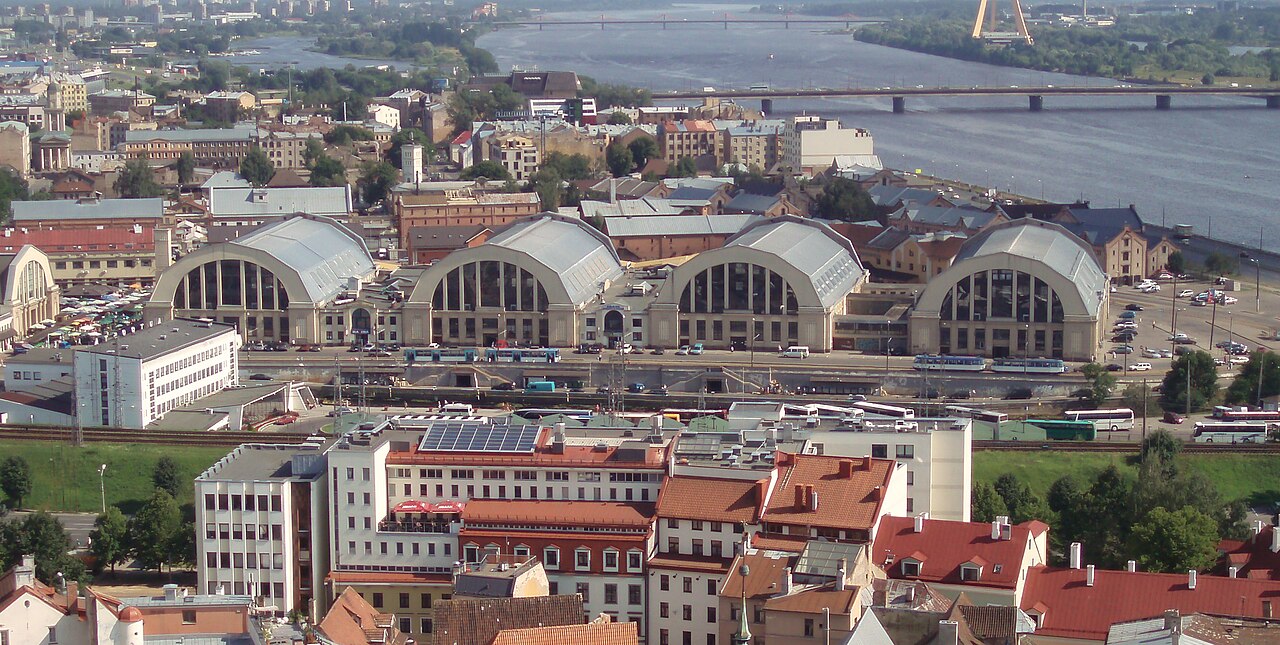
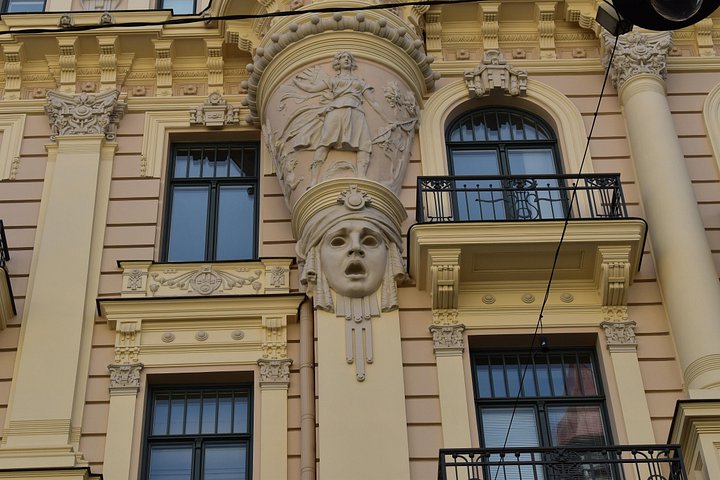
The Old Town itself is free to wander at any hour, and its squares, lanes, spires and gates are the main attraction. The Freedom Monument is free and open day and night, and the parks along the city canal are lovely for a stroll. The Art Nouveau district costs nothing to explore on foot, and the facades along Alberta iela and nearby streets are the highlight; save the museum ticket for a rainy day. Walking along the Daugava embankment near Riga Castle is free and offers good views. The Central Market is free to enter, and tasting as you go is a cheap way to eat.
Choose a few paid sights
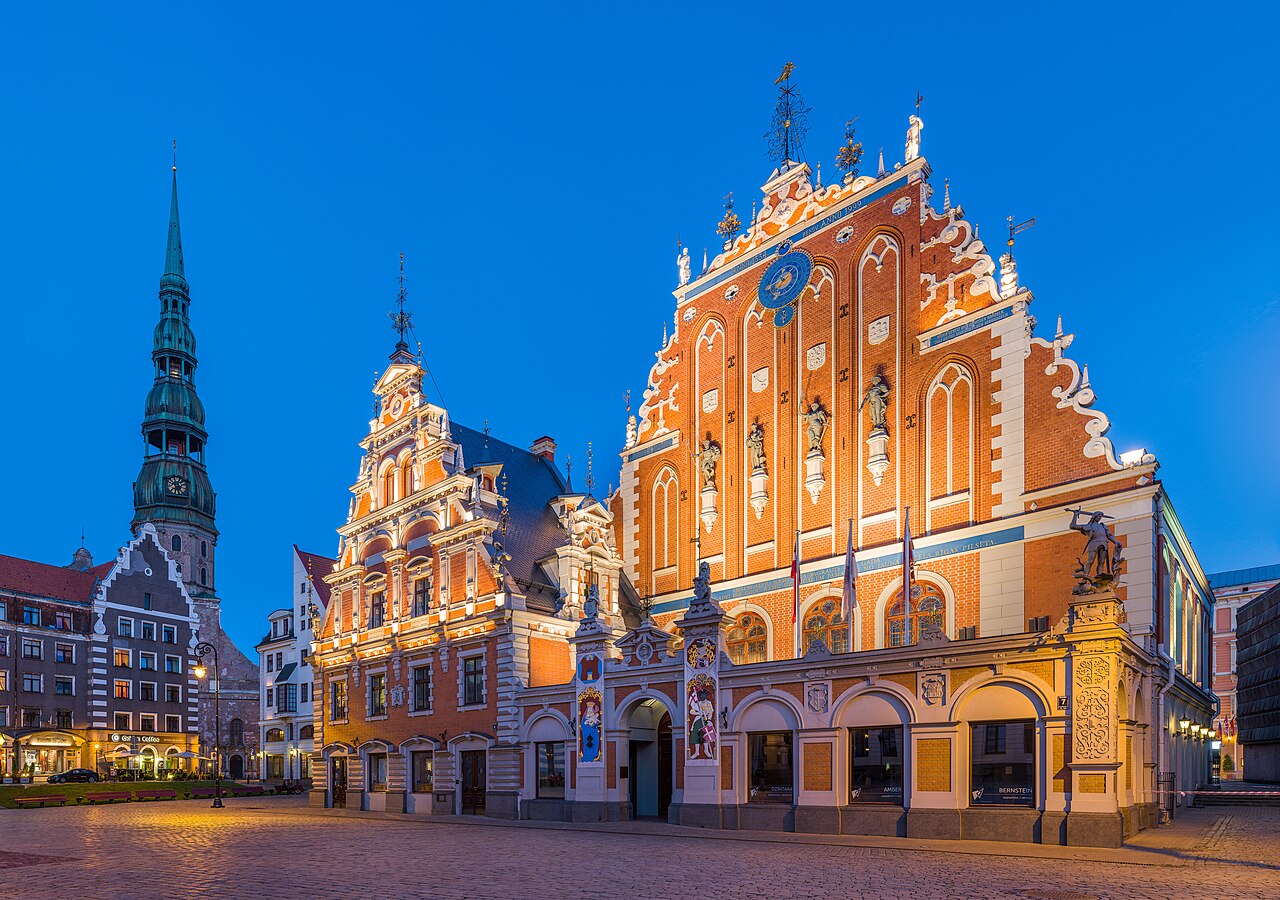
Pick two or three that matter most to you rather than trying to see everything. The House of the Black Heads, the Museum of the Occupation, the Latvian National Museum of Art and the Cathedral’s concerts are all good value compared with major Western European sights. Check opening days first, because many museums close on Mondays, and look for combination tickets, for example for the House of the Black Heads and the Cosmos Illusion Museum. A climb up the tower of St Peter’s Church is a modest cost for the best view over the city.
Eating for less
Lunch is the best-value meal. Many restaurants offer a set lunch menu of soup, main course and a drink at a fixed price that costs noticeably less than dinner. The Central Market food counters and cafés in the pavilions serve hearty meals for little, and bakeries sell fresh rye bread, pies and pastries for a snack. Walk a street or two away from the main Old Town squares, where terraces charge a premium for the view. Many cafés serve good coffee at a fair price, and tap water is safe, so you can fill a bottle for free.
Getting around cheaply
The Old Town, the Art Nouveau district and the Central Market are all within easy walking distance of each other, so you will use public transport only occasionally. Trams, buses and trolleybuses cover the rest, and tickets are available by app and machine. Bus 22 links the airport with the city centre for a fraction of the price of a taxi, and if you do use a taxi, book with an app so you know the fare in advance. Trains to Jūrmala and Sigulda are cheap and give you an easy day trip without paying for a tour.
Where to stay
Rates are lower outside the busiest weeks, so travel in spring or autumn if you can. Hotels by the river and the Central Market, such as the Avalon, are often cheaper than Old Town properties and still within walking distance of the sights. Breakfast can add a lot of value if included, so compare the total price rather than the room rate. Avoid peak periods, such as summer weekends, the Christmas market weeks and New Year, when prices rise.
Cheap fun
Many concerts and events are free in summer, and parks, the canal-side paths and the beach at Jūrmala cost almost nothing. Walking tours that run on a pay-what-you-like basis or low-cost audio guides give you history for little. In winter, enjoy the Christmas lights and the market atmosphere for free, and warm up with a cheap hot drink.
Money-saving habits
Cards are accepted almost everywhere, so you need little cash. Avoid exchange booths in tourist areas and withdraw euros from a bank machine instead. Check museum days for free or reduced entry, and look for family tickets and student discounts. Book popular dinners ahead rather than paying for a last-minute tourist menu.
A budget day
Begin with the Old Town loop on foot, climb St Peter’s for the view, have a market lunch, walk the Art Nouveau streets in the afternoon, visit one museum you really want to see and finish with a cheap, filling dinner in the Quiet Centre or a cellar bar a street away from the squares.