Riga is a city for all seasons, but each season gives a very different trip. The Baltic climate means cold winters and mild summers, with a short but beautiful autumn and a spring that arrives late. The right time depends on what you want to do, so here is a season-by-season guide to help you decide.
Summer (June to August): long days and terraces
Summer is the most popular time to visit. Days are very long, with light until late in the evening in June, the terraces and squares are full and the beach resort of Jūrmala comes alive. Temperatures are usually comfortable for walking, sometimes warm, with occasional rain, and the sea is cool for swimming. Midsummer, celebrated around 23 and 24 June, is the biggest festival of the year, when Latvians head to the countryside with flower wreaths, songs and bonfires, so the city can feel quieter than usual. The downsides of summer are crowds, particularly when cruise ships dock and tour groups fill the Old Town in late morning, and higher hotel rates. Book rooms and popular dinner tables well ahead.
Autumn (September to November): colour and calm
Early autumn is one of the best times to visit. The crowds thin, the weather is often crisp and clear, and the parks along the canal and the forests of the Gauja valley turn gold and red. Prices fall from their summer peak and the city has a relaxed feel. As October turns to November, the days shorten, the weather becomes wetter and colder and the city moves indoors, which suits museums, concerts and long dinners. Latvia celebrates Independence Day on 18 November, with ceremonies at the Freedom Monument and a festive mood around the city, though some museums change their hours that day.
Winter (December to February): snow and Christmas
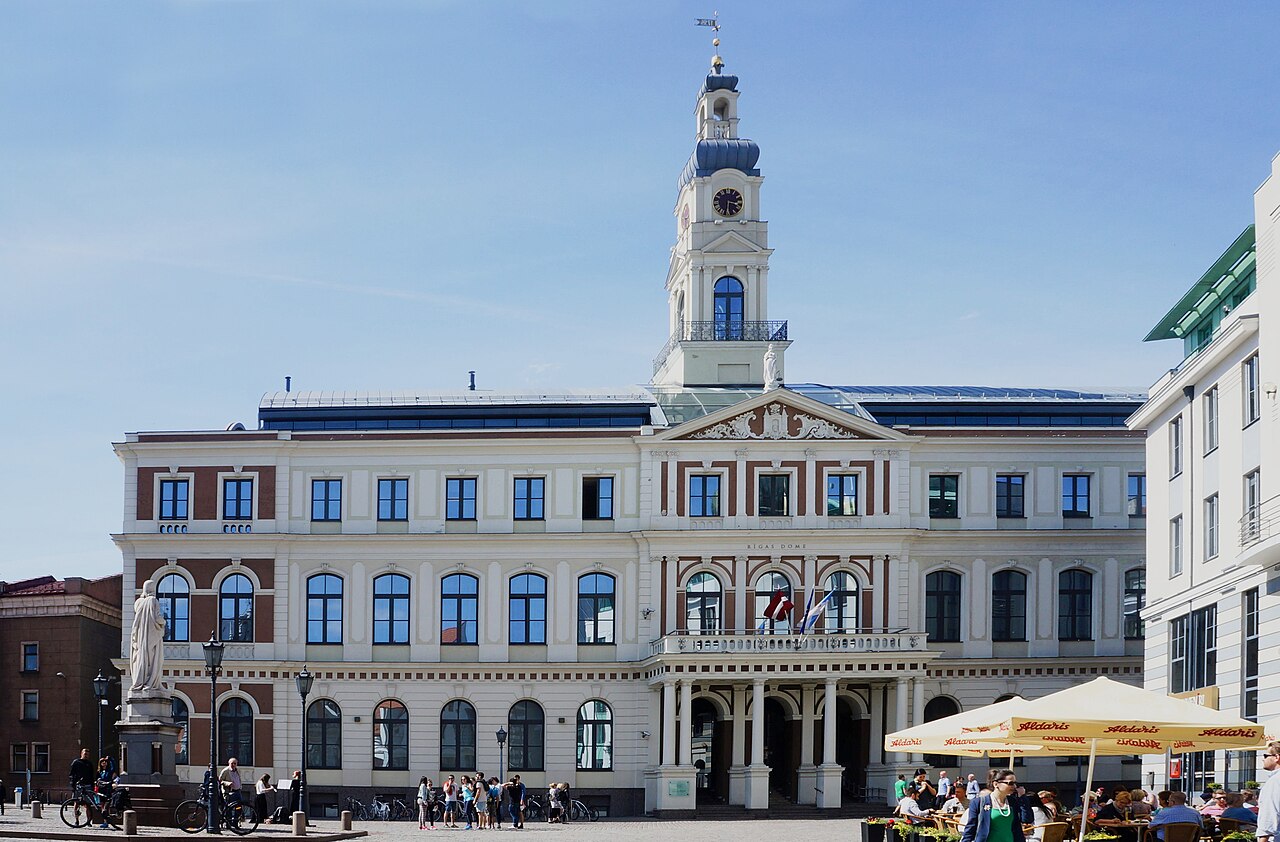
Winter is cold, with temperatures often below freezing and short days, but the Old Town under snow is magical. The Christmas market on Dome Square and the lights in the lanes make December a favourite month, and the tradition that Riga holds the first decorated Christmas tree adds to the story. Hotels are in demand for the weeks before Christmas and over New Year, so book early. After the holidays, January and February are the quietest and cheapest months, good for bargain hunters, spa breaks and anyone who does not mind the cold. Pack a warm coat, hat, gloves and shoes with a good grip, as pavements can be icy.
Spring (March to May): quiet and fresh
Spring arrives late, with March often still cold and the first green in April. By May the parks are in bloom, the terraces reopen and the days are long again, and prices are lower than in summer. It is a good season for walking, day trips and museums, though the weather can be changeable, so bring a waterproof layer.
Weather and packing
Summer days are generally mild, so pack light layers and a rain jacket. Spring and autumn call for a warm layer and waterproofs, and winter calls for serious cold-weather clothing. Whatever the season, wear comfortable shoes with a good sole, as the cobbles are slippery when wet or icy.
Closing days and seasonal patterns
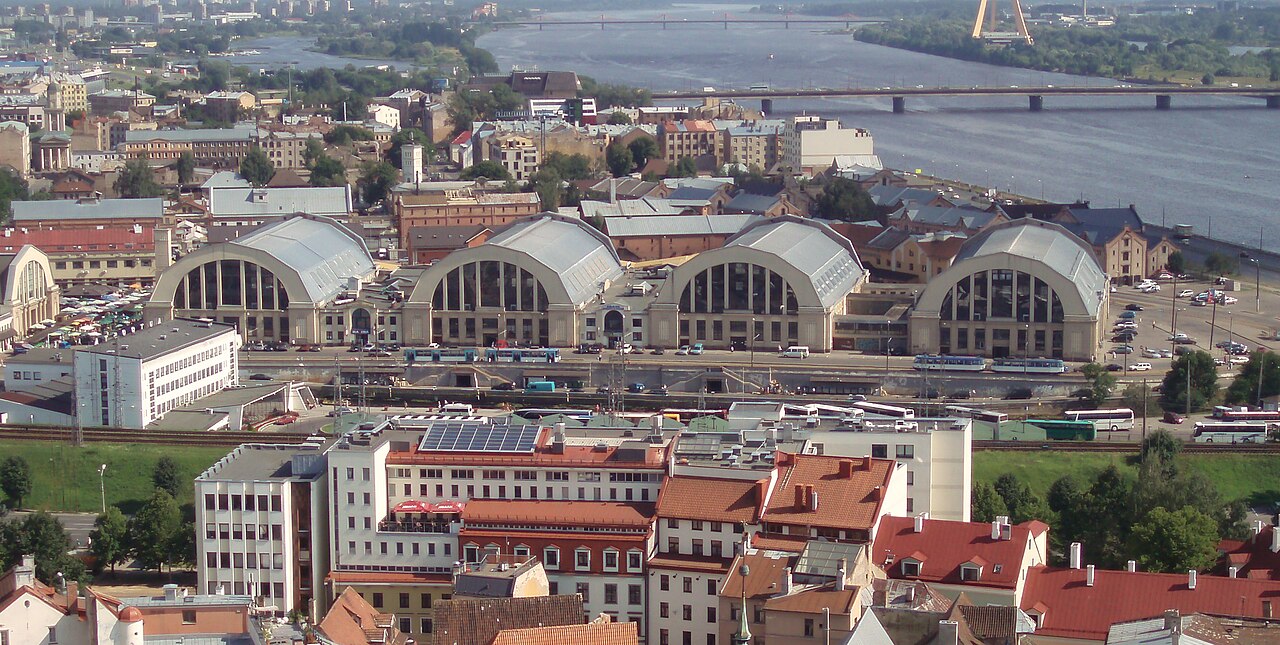
Some sights follow weekly or seasonal patterns. The Latvian National Museum of Art and the Riga Art Nouveau Museum close on Mondays, the House of the Black Heads is open Thursday to Sunday, and the Central Market pavilions close on the first Monday of each month. Open-air attractions, such as the Open-Air Museum and the Rundāle Palace garden, are at their best from late spring to early autumn, and the cable car and some outdoor activities in Sigulda depend on the weather.
Our pick
For the best mix of weather, light and value, choose late May to June or September. For atmosphere, choose December. For a quiet and affordable city break with museums, choose the shoulder months of April and October.