Riga has become one of the best food cities in the Baltics, and the good news for visitors is that the best eating is rarely the most expensive. The cooking draws on Latvia’s farms, forests and coast: dark rye bread, smoked fish, mushrooms, berries, pork and potatoes, now cooked with plenty of modern flair. Here is how to eat and drink your way through a visit.
Start at the Central Market
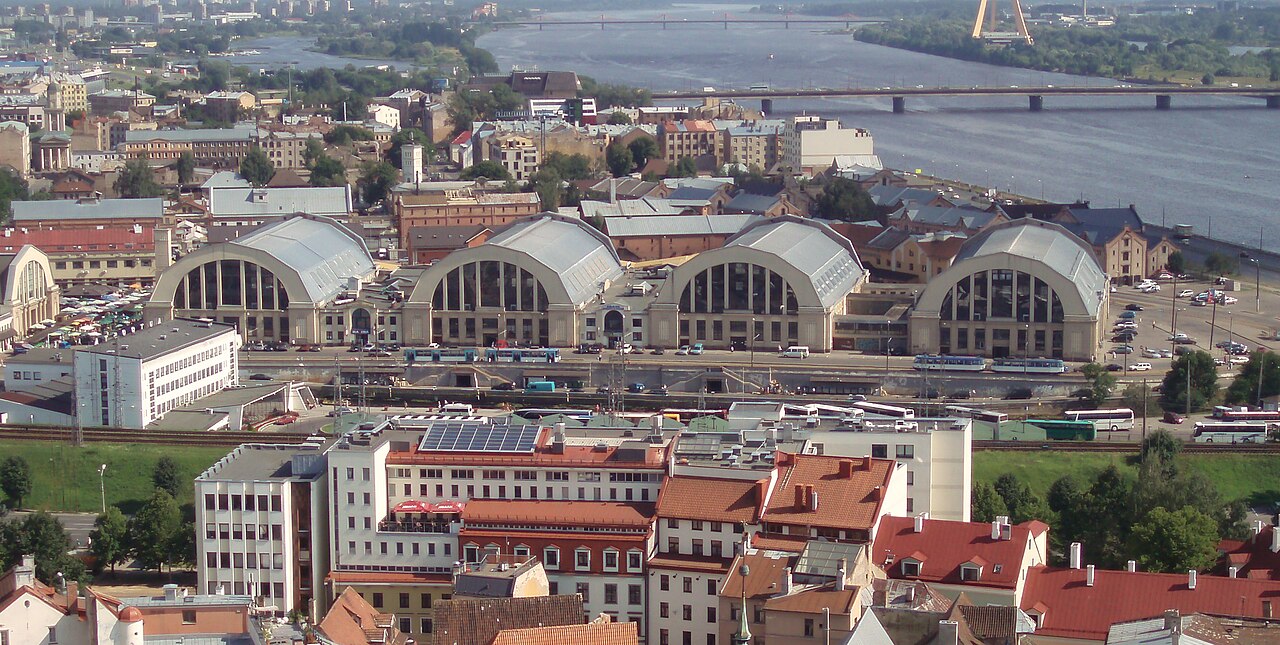
The market, housed in five former Zeppelin hangars on the edge of the Old Town, is the best single introduction to Latvian food. Separate pavilions are given over to meat, fish, dairy, vegetables and bread, and you can graze your way around: smoked fish, pickles, cheese, rye bread, honey and seasonal berries. Pick up a picnic, or sit down at one of the food counters for a hot lunch. Go in the morning, when the stalls are full and the locals are shopping, and remember that the pavilions close on the first Monday of each month. A guided food tour of the market and the Old Town is a good way to taste many things quickly.
Dishes to look for
Grey peas with bacon, a simple dish of boiled peas with fried pork and onion, is a national classic and an acquired taste worth acquiring. Rye bread appears in every form: with butter, as a garlic-rubbed snack with beer, or in a dessert of rye bread, cream and berries. Smoked fish, particularly sprats, eel and salmon, is excellent, and you will also find herring in many styles. Look for sklandrausis, a sweet carrot and potato tart spiced with caraway, and for seasonal soups, including a cold pink beetroot soup in summer. Mushrooms and wild berries appear in menus in late summer and autumn.
Black Balsam
Riga Black Balsam is a dark, bittersweet herbal liqueur with a long history in the city, drunk neat, in coffee, with ice cream or mixed in cocktails. It is strong and quite medicinal in flavour, so taste before you buy a bottle. You can try it at most bars, and several tasting experiences and walking tours include a sample.
Beer and cellar bars
Latvia has a lively beer culture, from old-style lagers to modern craft brewers, and many Old Town bars serve a long list of local taps. Look for vaulted cellar restaurants, where hearty dishes arrive in generous portions, and for brewpubs where you can drink beer made on the premises. A brewery tour with a tasting is a good option on a wet afternoon.
Where to eat
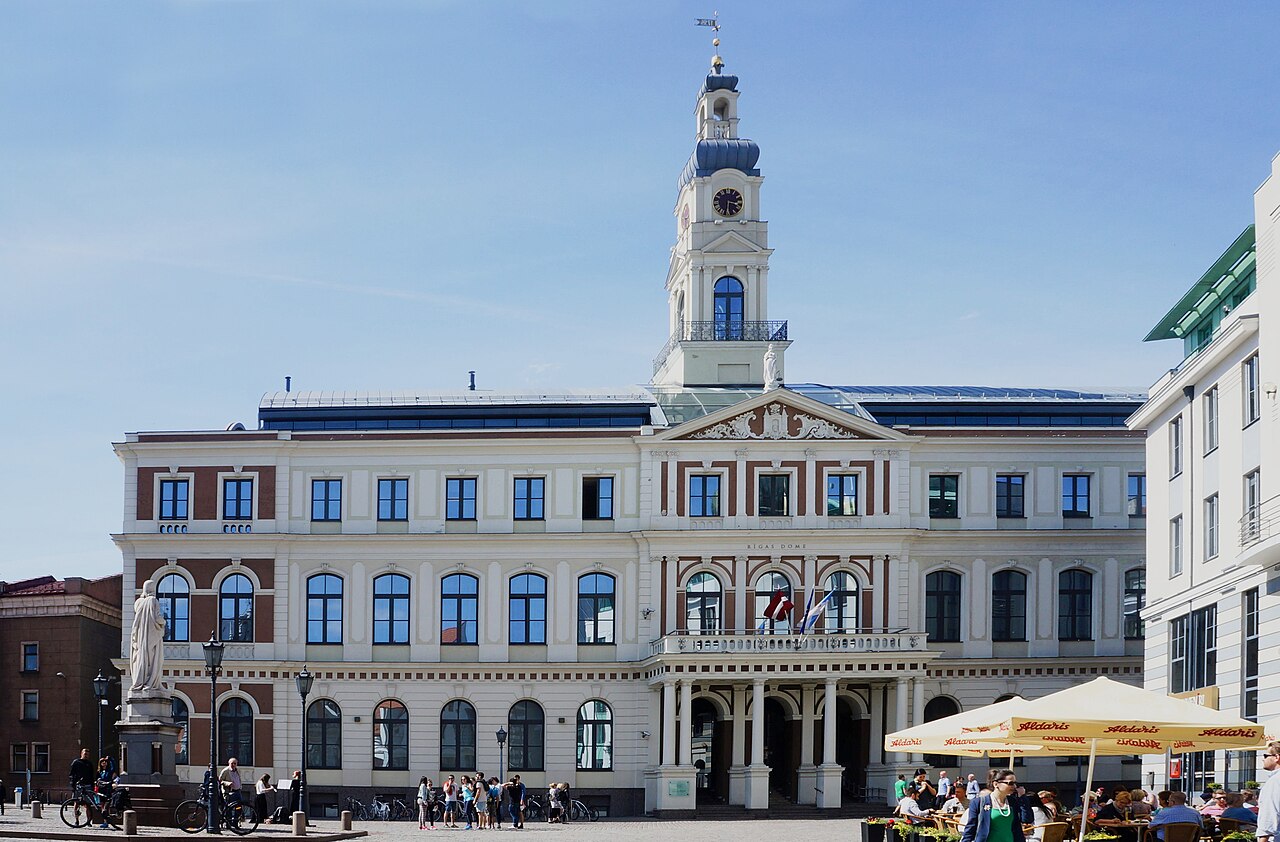
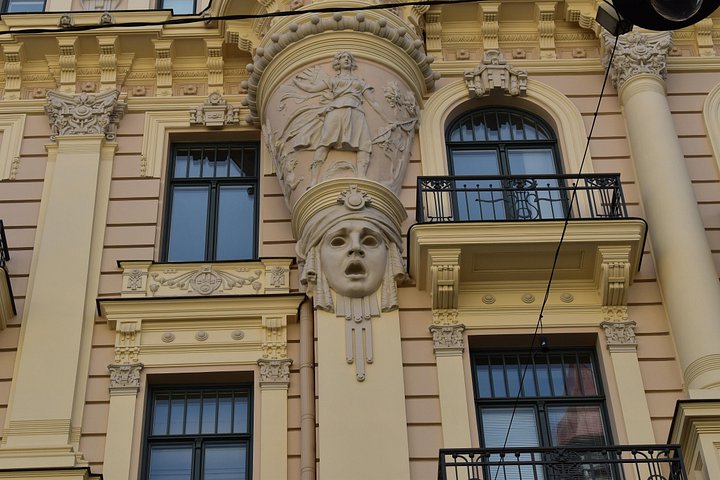
The Old Town has the highest concentration of restaurants, but the main squares charge more and often serve food to tourists. Walk a street or two back for better value. The Quiet Centre, around Alberta iela and the Art Nouveau streets, has some of the city’s best modern restaurants, many in beautiful period interiors. For a splurge, the Michelin-recommended Seasons Restaurant at the Grand Palace Hotel cooks a seasonal menu of local produce. Book Friday and Saturday dinners ahead, particularly in summer and December.
Coffee, cake and chocolate
Riga’s café culture is strong, with specialty coffee shops, old-fashioned patisseries and bakeries that sell fresh rye loaves and sweet buns. Laima chocolate is a local favourite and a good gift. Make time for a late-morning coffee and cake in one of the grand cafés, especially on a cold day.
Practical tips
Tipping of around ten percent is appreciated where service is not included, and cards are accepted almost everywhere. Lunch menus are a good way to eat well at a lower cost, with a soup, main course and drink often offered at a fixed price. Vegetarians will find more choice than in the past, though traditional menus lean heavily on meat and fish; markets and modern restaurants are the best bets. Tap water is safe to drink, and many restaurants will bring it free on request.
A day of eating
Begin with coffee and a pastry in the Quiet Centre, walk to the Central Market for a tasting lunch, spend the afternoon at a museum, then finish with dinner in a cellar restaurant in the Old Town and a glass of Black Balsam on the way home.