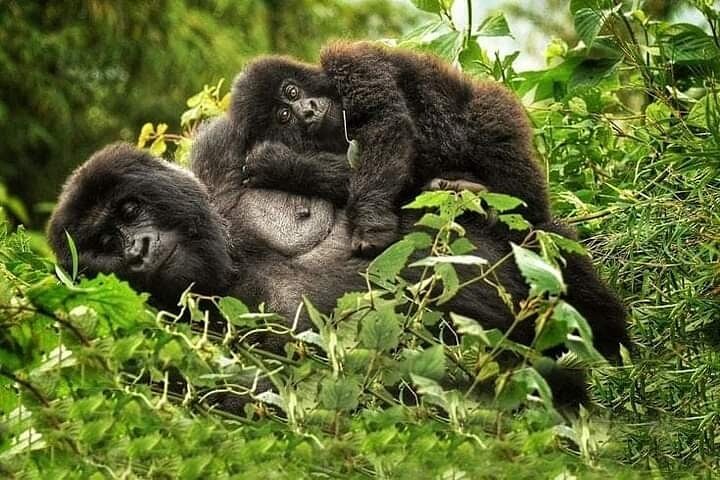
Rwanda is one of very few countries where you can walk to wild mountain gorillas, golden monkeys and chimpanzees within a few days of each other. They live in two very different places, they ask different things of you, and they cost very different amounts. This guide compares the three so you can decide what fits your time, budget and fitness, and what is worth planning around.
Mountain gorillas
Gorillas live in the Virunga volcanoes, in Volcanoes National Park, about two to two and a half hours by road from Kigali. They are the most sought-after wildlife experience in the country, and access is controlled: a limited number of permits is issued each day, groups are small, and you spend about an hour with the animals once you find them. The trek to reach a group can take anything from a short walk to several hours through bamboo, forest and farmland, and the length depends on where the gorillas moved the day before. The permit is by far the largest cost of any activity in Rwanda, so book early and be prepared to plan the rest of your trip around the date you get. For many travellers it is worth it: sitting a few metres from a silverback is a rare and quiet kind of encounter.
Golden monkeys
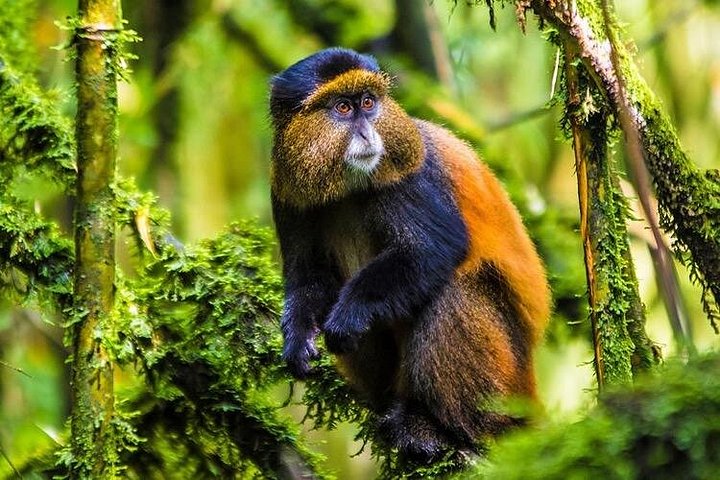
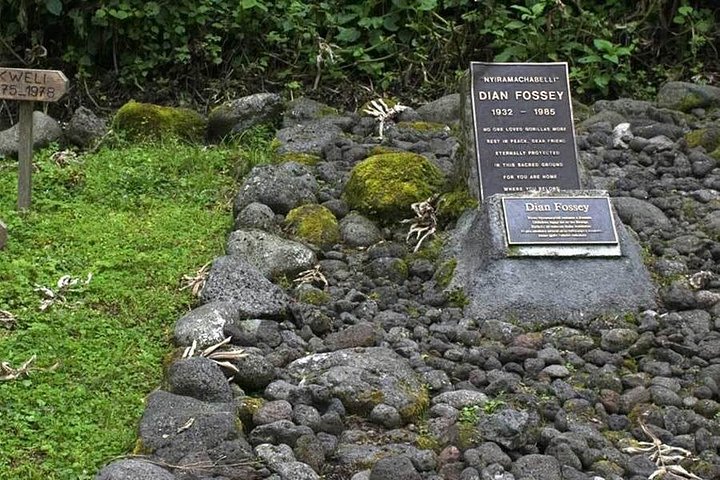
Golden monkeys live in the bamboo zone of the same volcanoes and are found only in the Virunga region. They are small, fast, bright gold and orange, and very photogenic. The permit costs far less than a gorilla permit, treks are usually shorter and flatter, and the animals are playful and active, which makes the hour with them lively rather than contemplative. Golden monkey tracking is a good option for families, for budget-conscious travellers and for anyone who could not get a gorilla permit. It is easy to combine with the Dian Fossey tomb hike, a volcano hike or a cultural village visit on a neighbouring day.
Chimpanzees
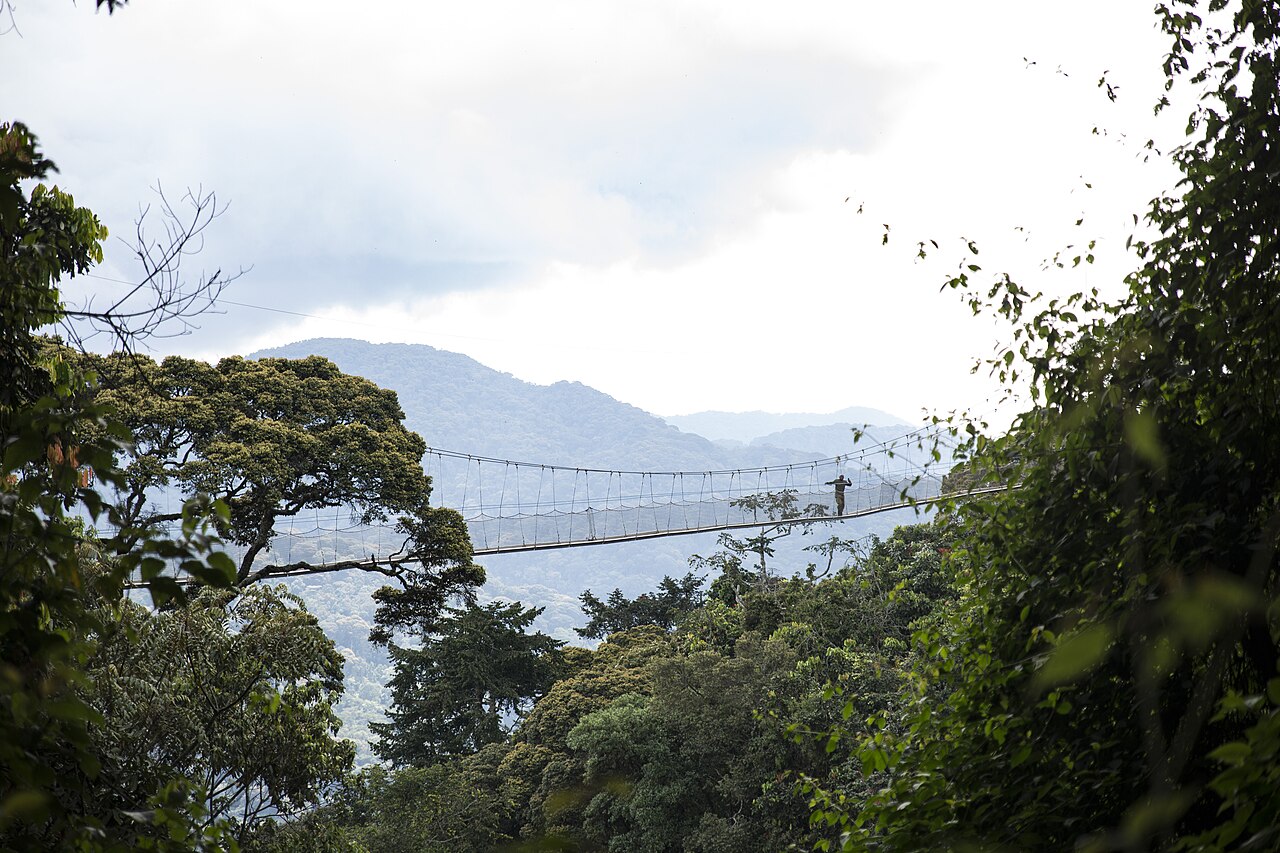
Chimpanzees live in Nyungwe Forest in the south-west, roughly five hours from Kigali, which makes this a two-day trip in practice. Tracking starts at dawn, because chimpanzees are most predictable near their nests, and the walk can be easy or steep depending on where they are that morning. They are loud, quick and social, so the encounter is more dynamic than the gorilla visit and more dependent on luck. Nyungwe also has a canopy walkway, waterfalls, colobus monkeys and many birds, which makes the journey worthwhile even on a quiet morning.
Comparing effort and cost
In effort, gorillas can range from easy to demanding, golden monkeys are usually the lightest, and chimpanzees are often the most physically variable because the animals move fast through steep forest. In cost, gorillas are by far the most expensive, chimpanzees are in the middle once transport and a night away are added, and golden monkeys are the cheapest. In certainty, gorillas are the most reliable once you have a permit, golden monkeys are also very dependable, and chimpanzees are the least predictable but still frequently seen.
Choosing and combining
With three days, choose the gorillas or the golden monkeys and add Kigali. With five days, do the volcanoes for gorillas and golden monkeys and add a second activity such as the Mount Bisoke hike. With a week or more, add the Nyungwe chimpanzees and the canopy walk, with the King's Palace at Nyanza on the way. If you cannot get a gorilla permit, do not give up on Rwanda: the golden monkeys, the chimpanzees and the volcano hikes together make a rich trip.
Practicalities for all three
Wear boots with good grip, long trousers and a rain jacket, because forest trails are muddy and the weather changes quickly. Carry water and snacks. Do not approach the animals closer than your guide allows, do not eat in front of them, and stay home if you have a cold or other infection, since primates are vulnerable to human illness. Minimum ages apply, so check them before bringing children. The drier months, June to September and December to February, give firmer trails and clearer views, but trekking runs year round.
Seeing more of the country
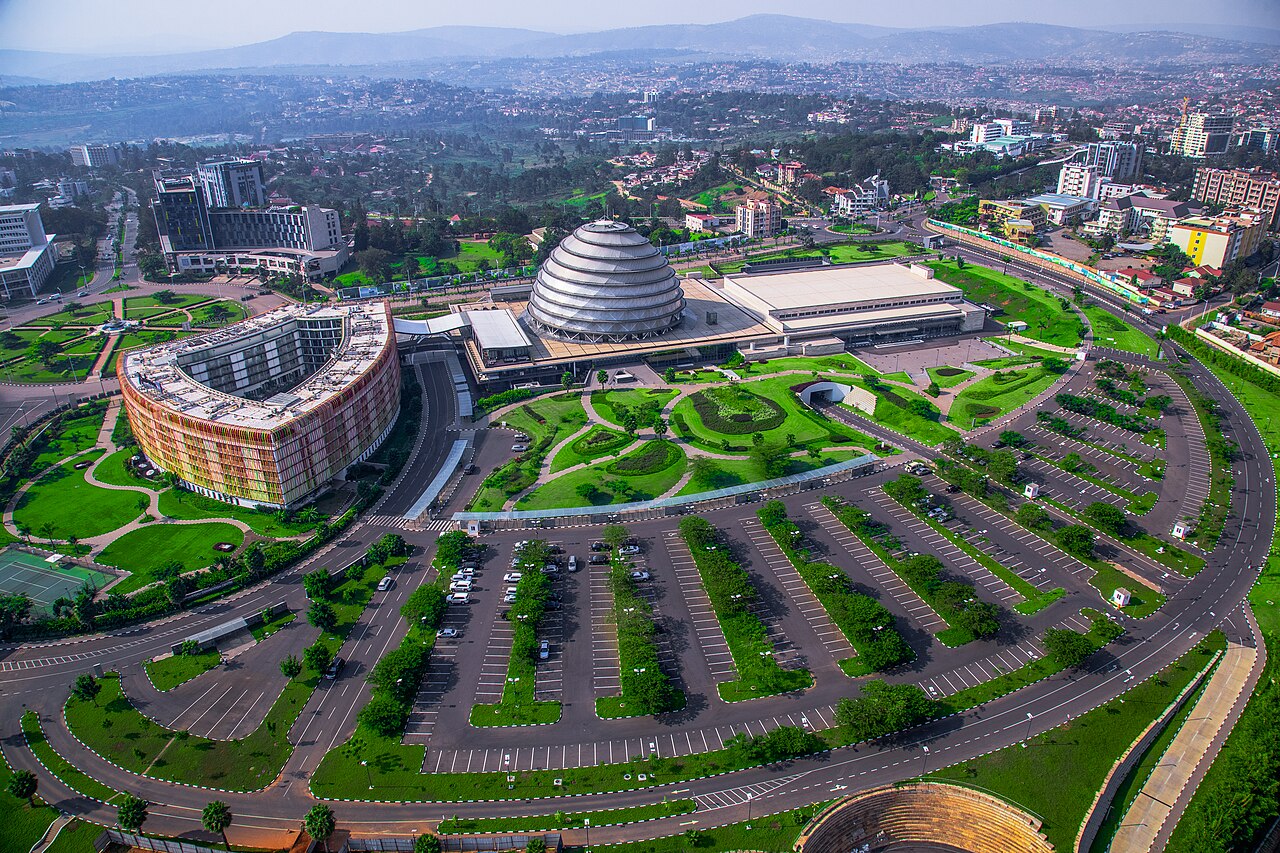
These treks are only part of the picture. Combine them with a day in Kigali, a lake day on Kivu or Twin Lakes, and a safari in Akagera for savanna wildlife. The result is a trip that moves from capital to volcanoes to forest to lake in a single loop, with a different landscape and a different kind of wildlife at each stop.