Rwanda is called the land of a thousand hills, and the name is no exaggeration. Walking is the best way to see it, and the country offers an unusual range of hikes within short distances of each other: volcano summits with crater lakes, rainforest trails, lakeside paths and city ridge walks. Most hikes need a guide, and many need a park fee, so planning ahead pays off. This guide covers the main options and how to choose between them.
The volcanoes
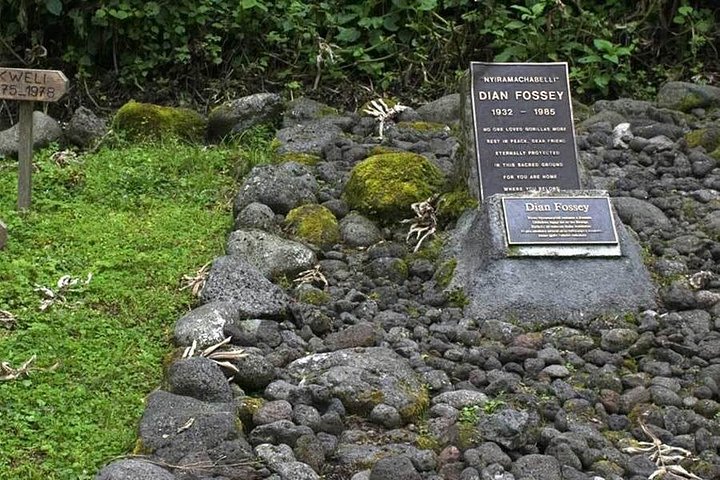
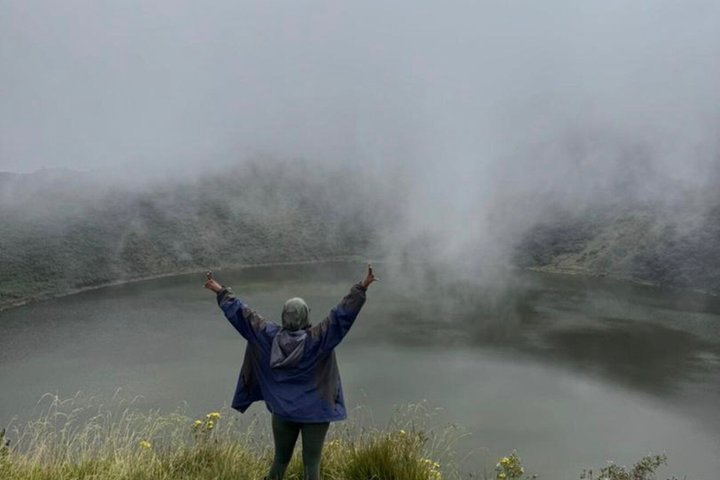
Volcanoes National Park holds the most dramatic hiking in the country. Mount Bisoke is the best known, with a long climb to a crater lake at the summit. Mount Gahinga is shorter and gentler, ending at a swampy crater with giant lobelias. Mount Sabyinyo has a jagged summit and a tougher route, and Mount Karisimbi is the highest, usually done as a two-day trek with a night on the mountain. All of these are guided, with rangers on the trail for safety. The Dian Fossey tomb hike is a different kind of volcano walk, aimed at the research site rather than the summit.
The lakes
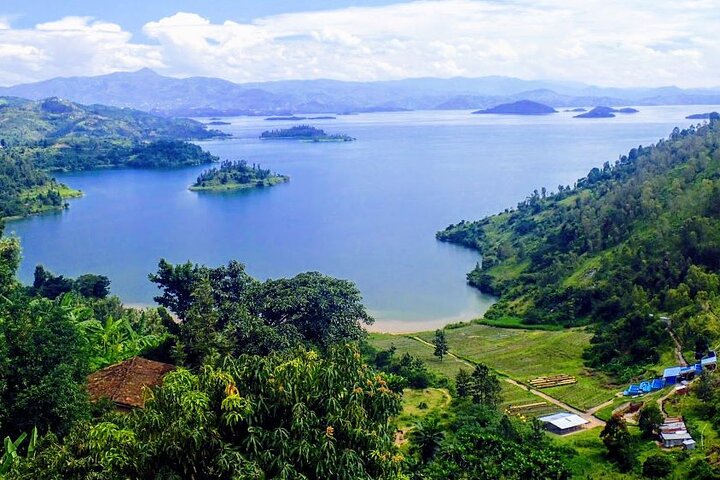
In the north, the Twin Lakes of Burera and Ruhondo can be explored on a day hike that combines ridge views, villages and sometimes a boat trip. In the west, Lake Kivu has coastal paths, hills and small beaches. These routes are easier than the volcanoes and suit travellers who want scenery without a summit. They are also good rest-day options between more demanding treks.
The forest
Nyungwe Forest in the south-west has some of the best walking in East Africa: a network of trails through ancient rainforest, past waterfalls and tea estates, with chances to see monkeys and many bird species. The canopy walk is a short, easy outing, but longer trails reward those who like to spend half a day or more in the forest. Because Nyungwe is a long drive from Kigali, plan at least one night near the forest.
Around Kigali
You do not need to leave the capital to hike. Mount Kigali gives a steep, rewarding walk with city views, and the surrounding hills have village trails and coffee farms that can be walked in a half day. These are good for acclimatising, for a first day, or for a day when weather rules out the mountains.
Difficulty and fitness
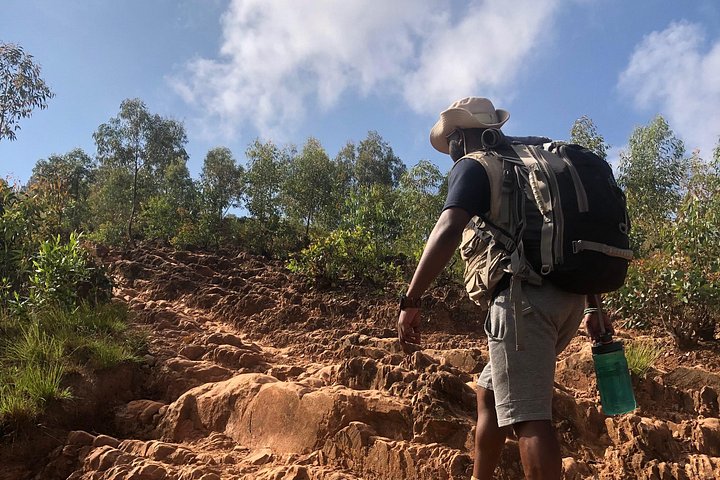
The hikes range from gentle half-day walks to demanding climbs at altitude. Volcano summits sit at three thousand metres or more, so the air is thinner, the weather colder and the ground often muddy. A reasonable level of fitness is enough for most of them, but build in rest days and allow extra time if you are unaccustomed to altitude. Hydrate well and pace yourself.
Gear
Good hiking boots with grip are the single most important item, followed by a waterproof jacket, long trousers, gloves, a warm layer and a hat. Gaiters help on muddy trails. Carry water, snacks and a small first-aid kit. A walking stick is useful, and porters are available at most trailheads; hiring one helps the local economy and lightens your load.
Seasons
The drier months, June to September and December to February, give firmer trails and clearer views, but mountain weather is unpredictable at any time of year. The long rains from March to May make trails slippery and mist heavy, though forests are lush and crowds smaller. Whatever the season, start early, because clouds tend to build later in the day.
Putting it together
A good loop might combine one day in Kigali, two days around Volcanoes National Park for a volcano hike and a golden monkey trek, a lake day on Burera and Ruhondo, and, if time allows, a trip to Nyungwe. Choose hikes at different levels of difficulty and leave a rest day in the middle. The result is a trip in which the landscape itself is the main attraction. Keep a day in reserve for weather, since mist can close a view but rarely a whole trip, and build in time for a hot meal and a rest in Kigali afterwards.