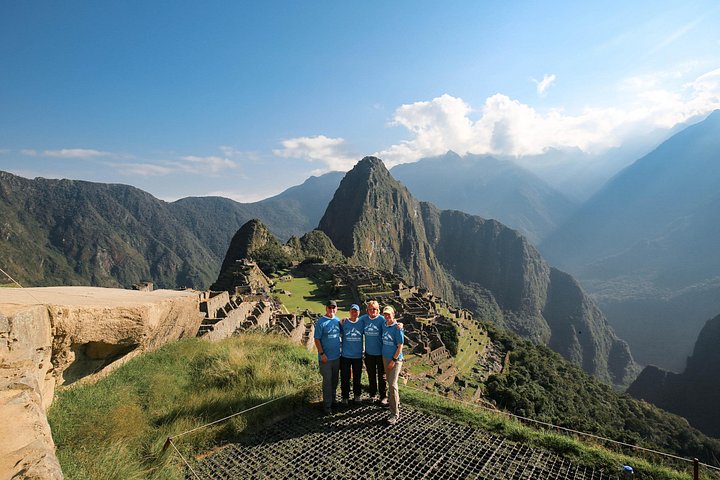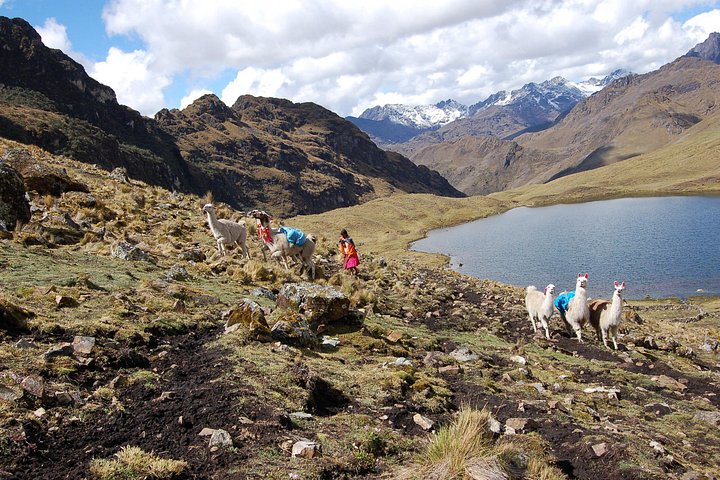
The Lares Trek is the Sacred Valley's most cultural way to reach Machu Picchu. Instead of the stone-paved Inca Trail, it crosses high Andean passes and drops through the Lares valley, where farming and herding families still live much as their ancestors did. Along the way you pass turquoise lakes, grazing llamas and alpacas, and small villages where weaving remains a daily craft, and many routes begin or end with a soak in natural hot springs. After three days on foot you descend toward the valley, take the train from Ollantaytambo to Aguas Calientes and visit Machu Picchu with a guide. It is a rewarding choice for travellers who want scenery, culture and fewer crowds, and who are comfortable walking at altitude.
Expect a genuine mountain trek. Daily walks are long, camps or lodges sit at high elevation, and the passes climb well above 4,000 metres, so cold mornings and thin air are part of the deal. Operators generally provide guides, camp or lodge accommodation, meals and the logistics of the train and entry, but exact inclusions differ, so confirm the details for your chosen option.
Groups on this route are often small, and because the trail is not a controlled permit route, it is easier to book than the classic Inca Trail.The cultural side is what sets it apart. You walk through communities where families offer weavings and handmade textiles, and where your guide can explain the daily rhythm of herding, potato farming and festivals.
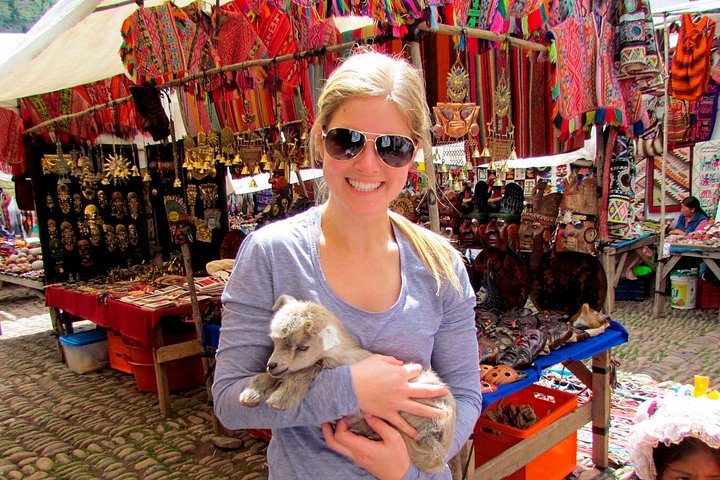
Buying directly from weavers is a good way to support the villages, and it is polite to ask before photographing people. The scenery moves from open grassland and lakes to rocky ridgelines and finally to greener valley slopes, so the four days feel varied and well paced.Timing matters. The dry months from about June to October bring the clearest skies and firmest paths, though nights are cold.
From November to March the rainy season turns the trail muddy and the high passes can be wet, windy and cloudy, so waterproofs, warm layers and sturdy boots are essential, and plans may shift with the weather.
Arrive in Cusco or the valley at least two days before you start to adjust to the altitude, bring any personal medication, and build a spare day into your schedule in case of delays.Choosing between treks is easier once you know your priorities. The classic Inca Trail offers stone paths and famous ruins but requires permits far in advance, while the Lares Trek trades paved steps for wide mountain views and village life.
The Short Inca Trail fits two days, the Lares four. If you love landscapes, wildlife and meeting local families, Lares is often the most memorable of the three.
Pack small gifts such as pens or fruit only if your guide recommends them, and follow the community's guidance on photographs. A refillable bottle, trekking poles and a sleeping bag liner make the days far more comfortable, and a good camera helps you remember the lakes. Finally, think about the end of the trek.
You will be tired and probably dusty by the time you reach the train, so keep a clean change of clothes in your day bag and plan a comfortable night in Aguas Calientes or Ollantaytambo. A hot meal, a shower and a slow breakfast afterwards turn a tough walk into a lasting memory.
What to expect
The experience
Three days of trekking through the Lares valley and over high passes, then the train from Ollantaytambo and a guided visit to Machu Picchu.
Best time
June to October for the clearest skies, or November to March for greener scenery with more rain and mud.
How long
Four days, with long walking days at altitude.
Tips
Spend a couple of days acclimatising first, pack waterproofs and warm layers, and carry small cash for buying textiles.
Quick picks
- Best for
- Trekkers who want culture and scenery and prefer to avoid the busiest trail.
- Families
- Suitable only for fit, older children, since days are long and the passes are high.
- Couples
- A shared adventure with quiet campsites and a big payoff at Machu Picchu.
- Pair with
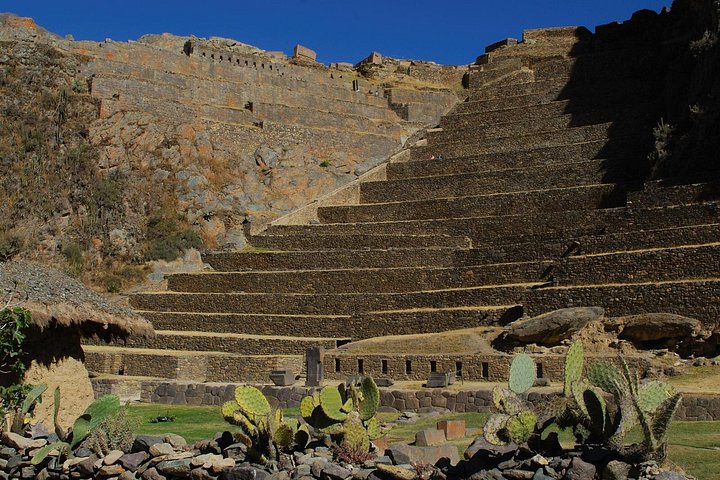
- A few days in the valley before the trek, including Pisac and Ollantaytambo.
- Time needed
- Four days, plus two days to acclimatise beforehand.
Good questions
How hard is the Lares Trek?+
It is a moderate to demanding trek, with long days and passes above 4,000 metres. You need decent fitness and time to adjust to the altitude.
How is it different from the Inca Trail?+
It has no stone Inca paving or controlled permits. Instead it passes high lakes and living Andean villages, and it is usually quieter.
Does the trek include Machu Picchu?+
Most options finish with the train from Ollantaytambo and a guided visit to Machu Picchu. Check the inclusions for your chosen option.
What should I pack?+
Waterproofs, warm layers, broken-in boots, sun protection, a headlamp and any personal medication. Mornings and nights are cold at altitude.
What is the rainy season like?+
From November to March expect mud, cloud and wet passes, so waterproof gear is essential. Weather can change plans, so keep a spare day.