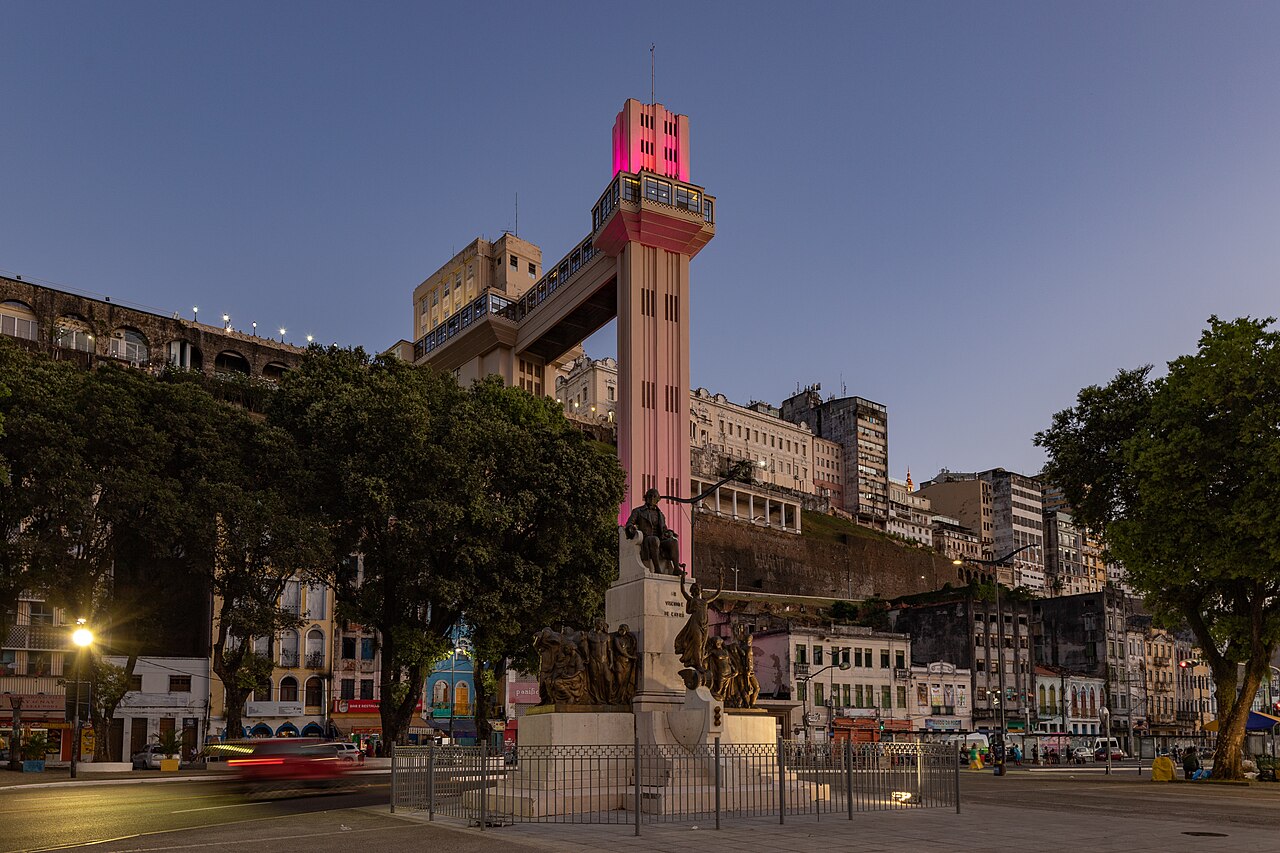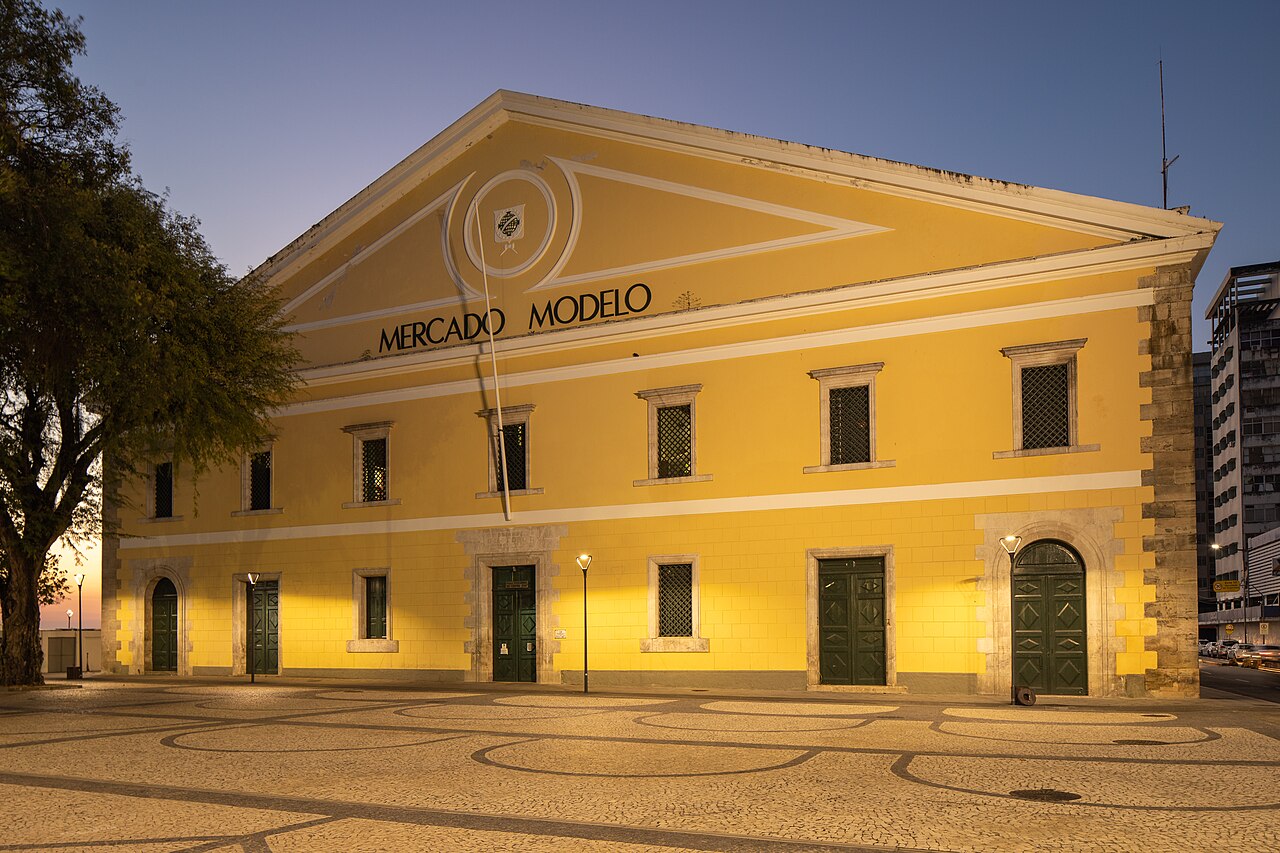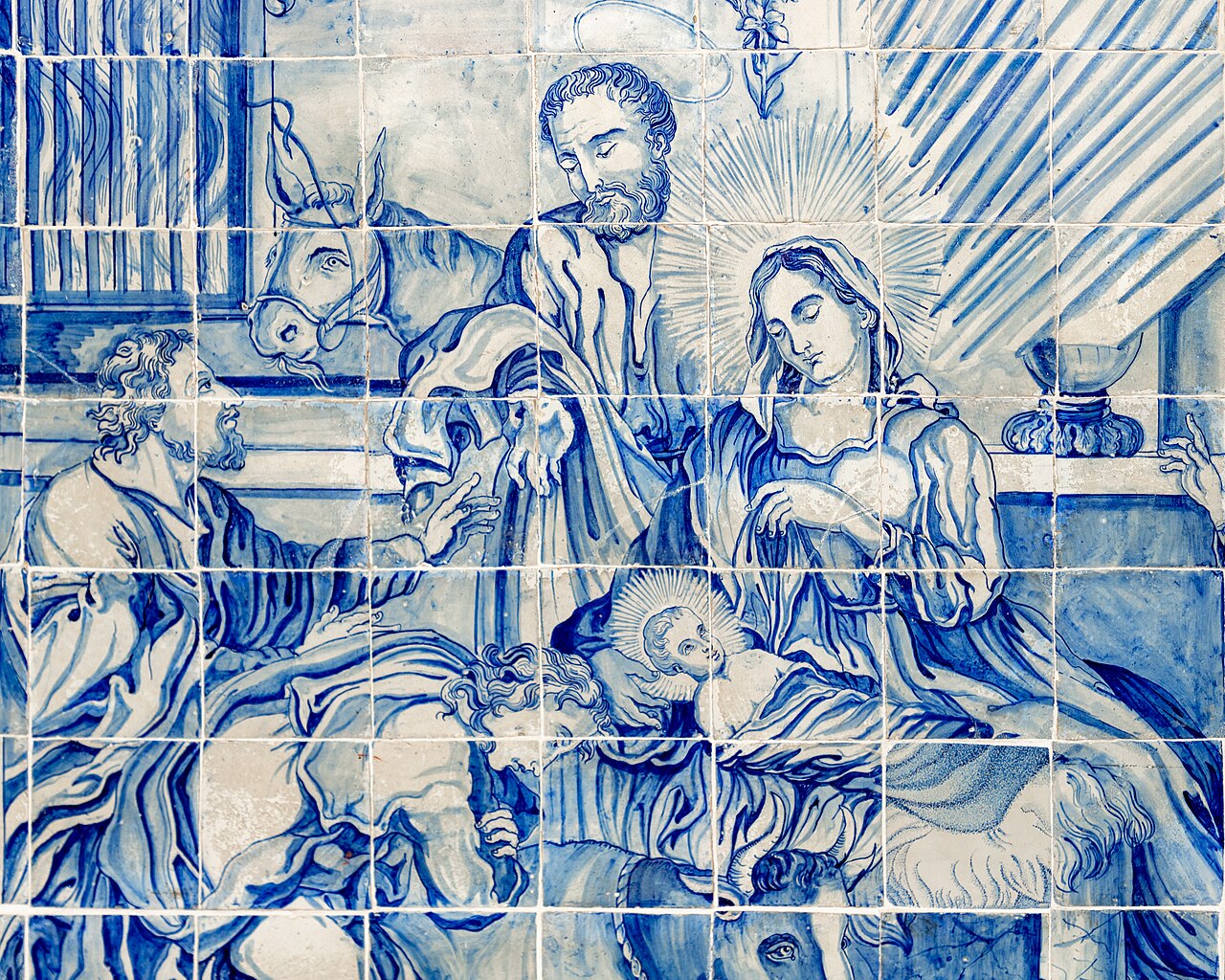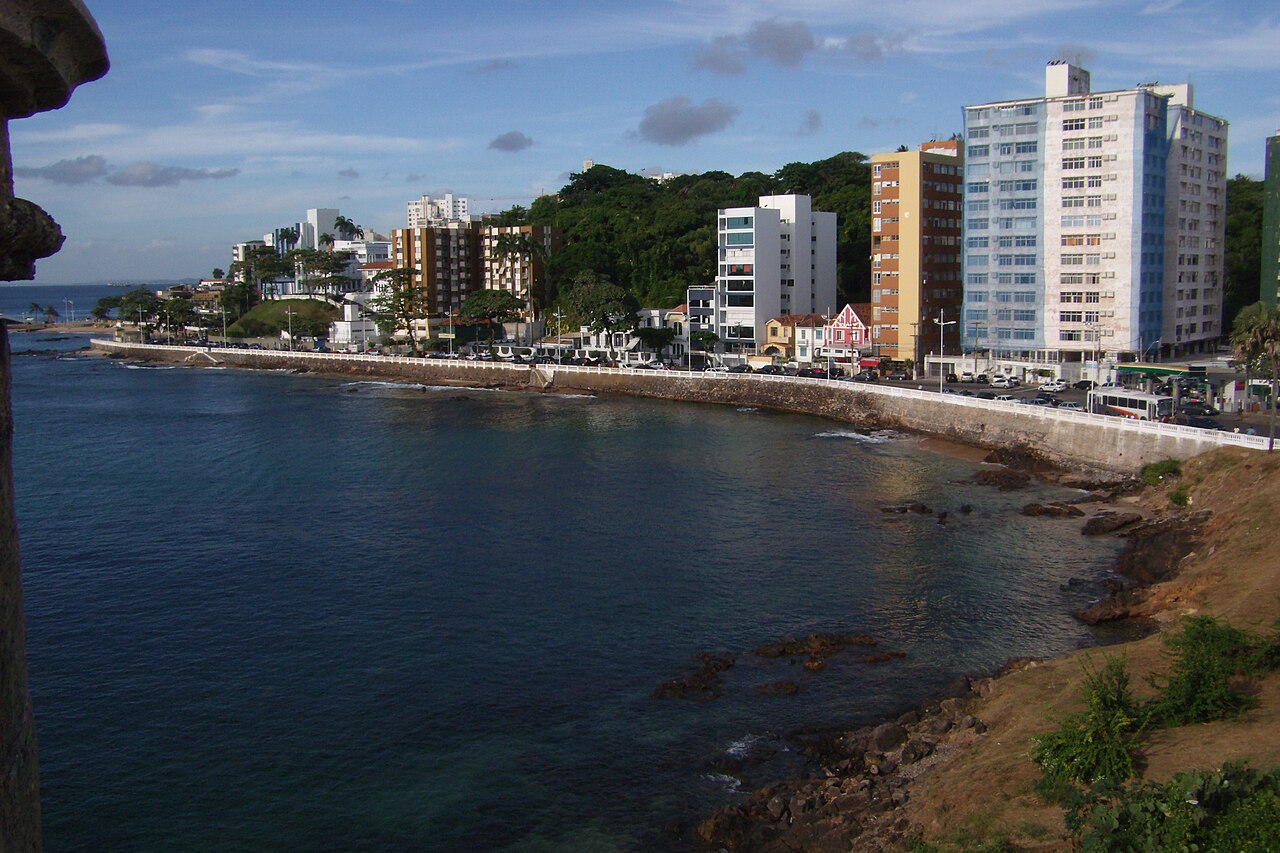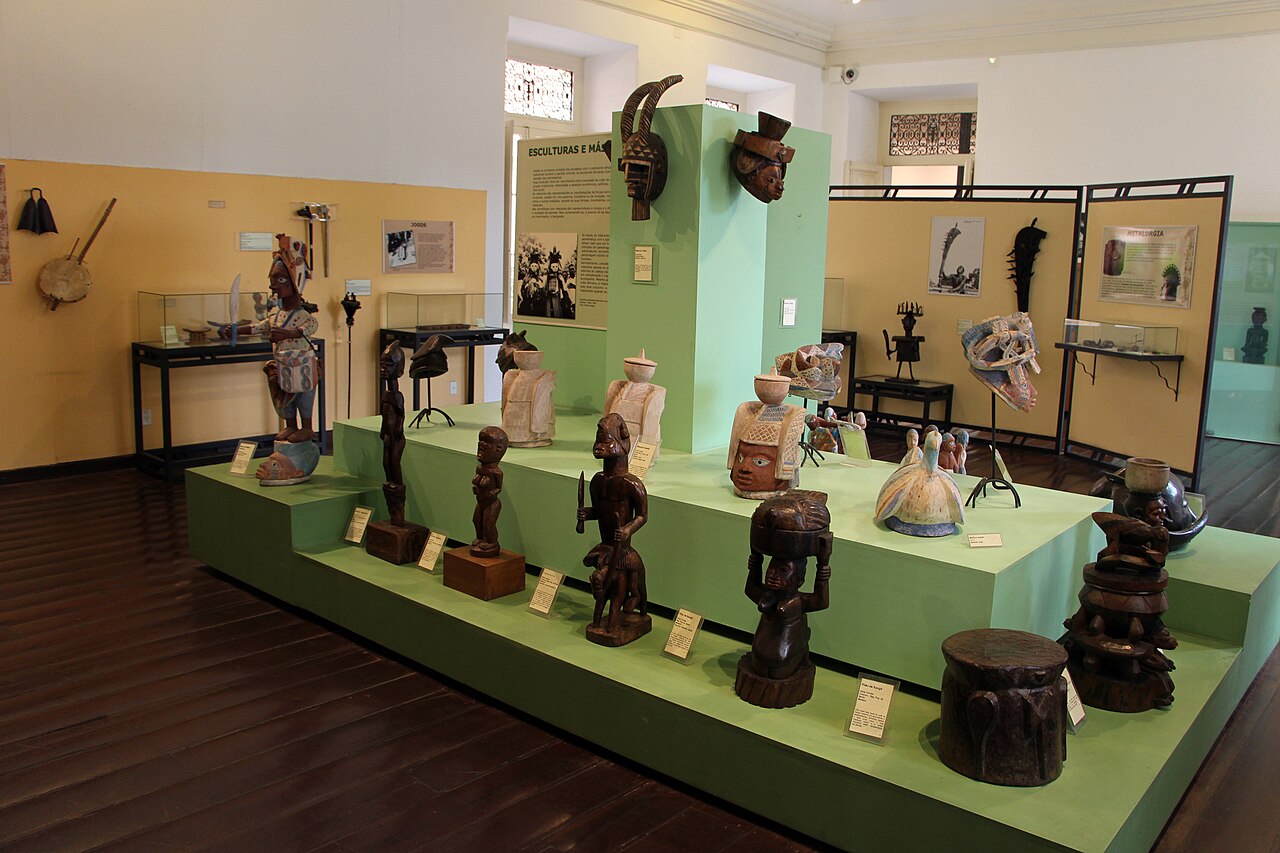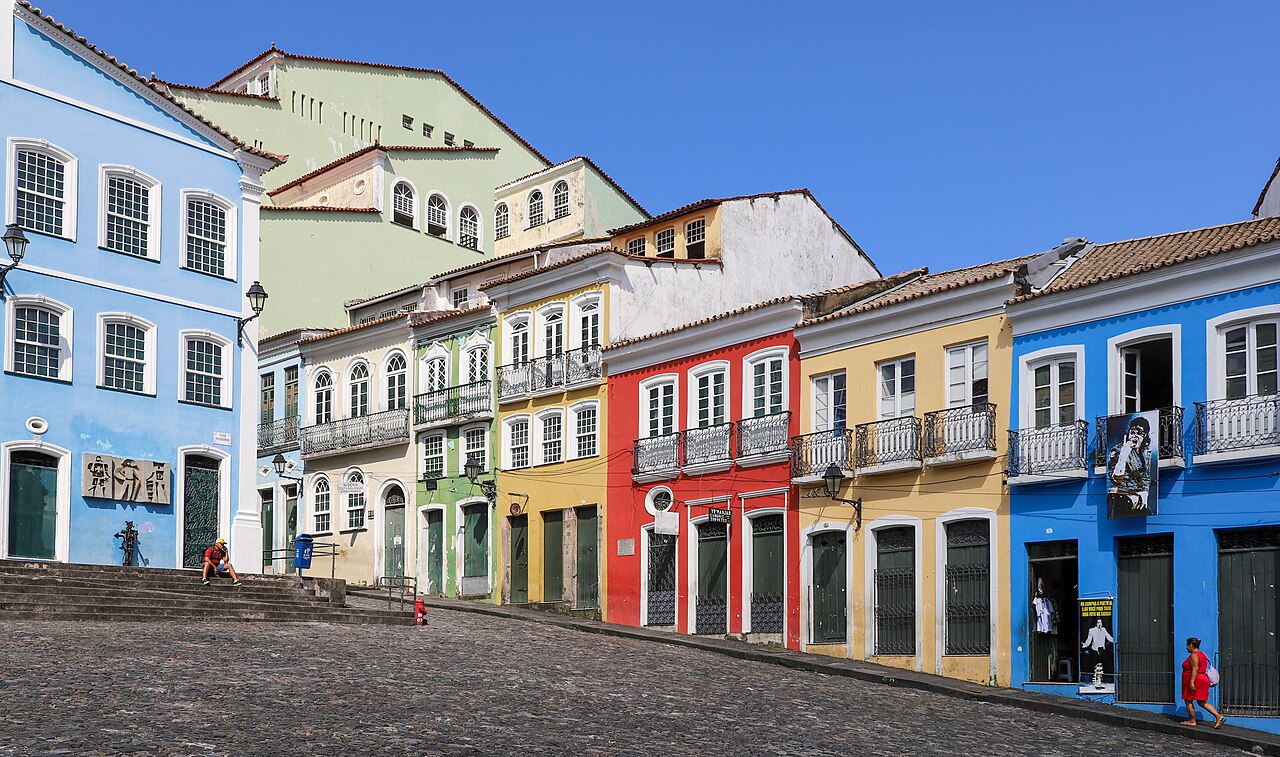
Most visitors pass through the Comércio district on the way to somewhere else, but it deserves its own slow walk. It is the lower city, the strip of land between the cliff and the harbour, and it was the first planned neighbourhood and the economic centre of Brazil. For centuries it was where ships docked, goods were traded and fortunes were made, and the cliff above, linked by the Lacerda Elevator, was where the powerful lived. The district is now being modernised and revitalised, with improvements to public spaces and mobility and a growing programme of fairs, concerts and street art, and it is more pleasant than its reputation suggests. The walk can be built from a handful of simple stops. Start among the squares where cultural events are held, follow Avenida da França to see the murals that line it and continue to the Mercado Modelo, where more than two hundred and fifty shops sell crafts, souvenirs, clothing, sweets, cachaças and Bonfim ribbons. The market's balcony is a good place for a coconut water, with views of the nautical terminal and the São Marcelo Fort. Nearby is the basilica of Nossa Senhora da Conceição da Praia, and beyond it the marina, where a restaurant facing the bay makes a fine spot for sunset.
The São Marcelo Fort is the most striking sight on the waterfront. It is a round, Renaissance-style fortress built on a sandbank about three hundred metres from the shore in the early seventeenth century to defend the city, and the writer Jorge Amado nicknamed it the navel of Bahia. It has been through a Dutch occupation, an independence war and a long spell as a political prison, and it is protected as national heritage.
The fort is closed to visitors, so enjoy it from the shore: good views are possible from the Mercado Modelo balcony, the Praça Castro Alves, the Ladeira da Montanha and the Contorno avenue, and from a boat you can photograph it with the bay behind.
Another pleasant stop is the little beach near the Museum of Modern Art, which is reached through a gate on the Contorno avenue or by boat from the Solar do Unhão, and which has no parking. A cycle path of just over a kilometre runs from the Mercado Modelo to the Pilar inclined plane, for those who prefer to move on two wheels.
The district also has quiet restaurants serving workers at lunchtime, and many of these close in the evening or at weekends, so plan your meals accordingly. Treat Comércio as a daytime district. It is busy on weekdays with office workers and quieter on weekends and after dark, when you should use ride-hailing cars and avoid wandering empty streets. Wear comfortable shoes, carry water and keep your phone out of sight in crowds.
It is the natural counterpart to Pelourinho, and the Lacerda Elevator links the two in under a minute, so combine them in a half day. Allow two to three hours for the walk with stops, and more if you add the market, a long lunch and a sunset drink by the marina. If you enjoy photography, the murals, the market balcony and the fort in the bay give plenty of subjects, and the light is softest in the late afternoon.
What to expect
The experience
A free, self-guided walk through the lower city, linking murals, the Mercado Modelo, views of the São Marcelo Fort and the marina.
Best time
A weekday morning for the busy district life, or late afternoon for the bay at sunset.
How long
Two to three hours with stops, longer if you add the market and a long lunch.
Tips
Treat it as a daytime district, wear comfortable shoes, carry little and use a ride-hailing car after dark.
Quick picks
- Best for
- Travellers who want to see the working lower city, the waterfront and the fort without a formal tour.
- Families
- The flat streets, the market and the bay views suit children, but watch them near traffic and the waterfront.
- Couples
- Finish with a drink or meal at the marina as the sun sets over the bay.
- Pair with
- The Lacerda Elevator, Pelourinho and the Mercado Modelo.
- Time needed
- Two to three hours, more with a long lunch.
Good questions
What is the Comércio district?+
It is the lower city of Salvador, the first planned neighbourhood and economic centre of Brazil, now being revitalised with street art, fairs and public spaces.
Can I visit the São Marcelo Fort?+
The fort is closed to visitors, but you can view it from the Mercado Modelo balcony and other points along the waterfront, or photograph it from a boat.
Is Comércio safe?+
It is a busy business district by day, but it is quieter at weekends and after dark. Visit in daylight, carry little and use a car after dark.
How do I get from Comércio to Pelourinho?+
The Lacerda Elevator links the lower and upper cities in under a minute and is the classic route. Taxis and ride-hailing cars also make the climb by road.
Where can I watch the sunset?+
The marina has a restaurant facing All Saints Bay that suits a sunset meal, and the Mercado Modelo balcony also has bay views.