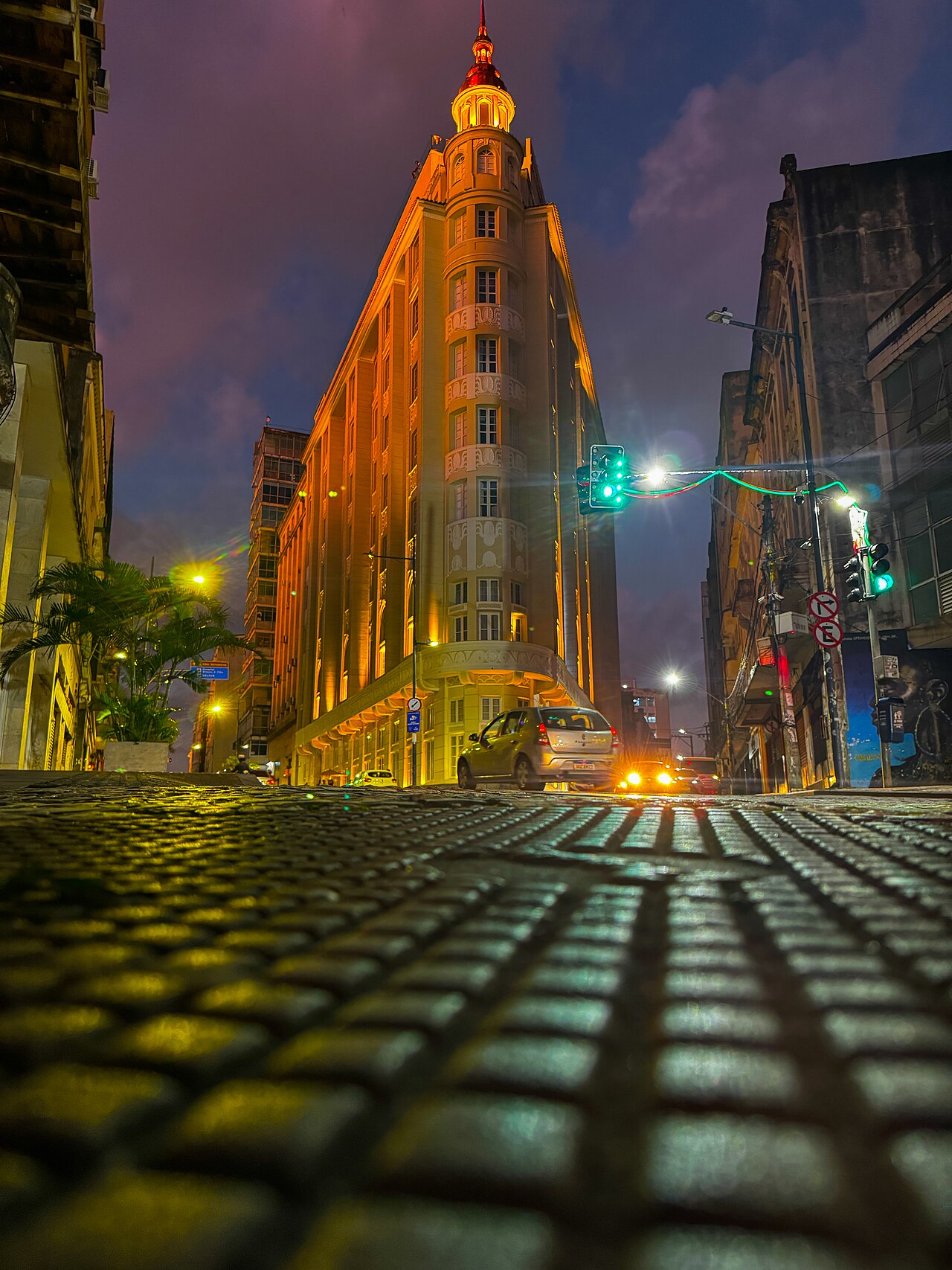
Three days is the ideal length for a first visit to Salvador. It is long enough to see the historic centre, the Bonfim basilica and the beaches of Barra without rushing, and short enough to keep the logistics simple. The city is long, hilly and hot, so the plan below groups sights by district, puts the walking in the cooler hours and leaves space for a long lunch. Adjust the order to suit the weather and your energy, and treat every opening time as something to confirm on the day.
Day one: the old town and the lower city
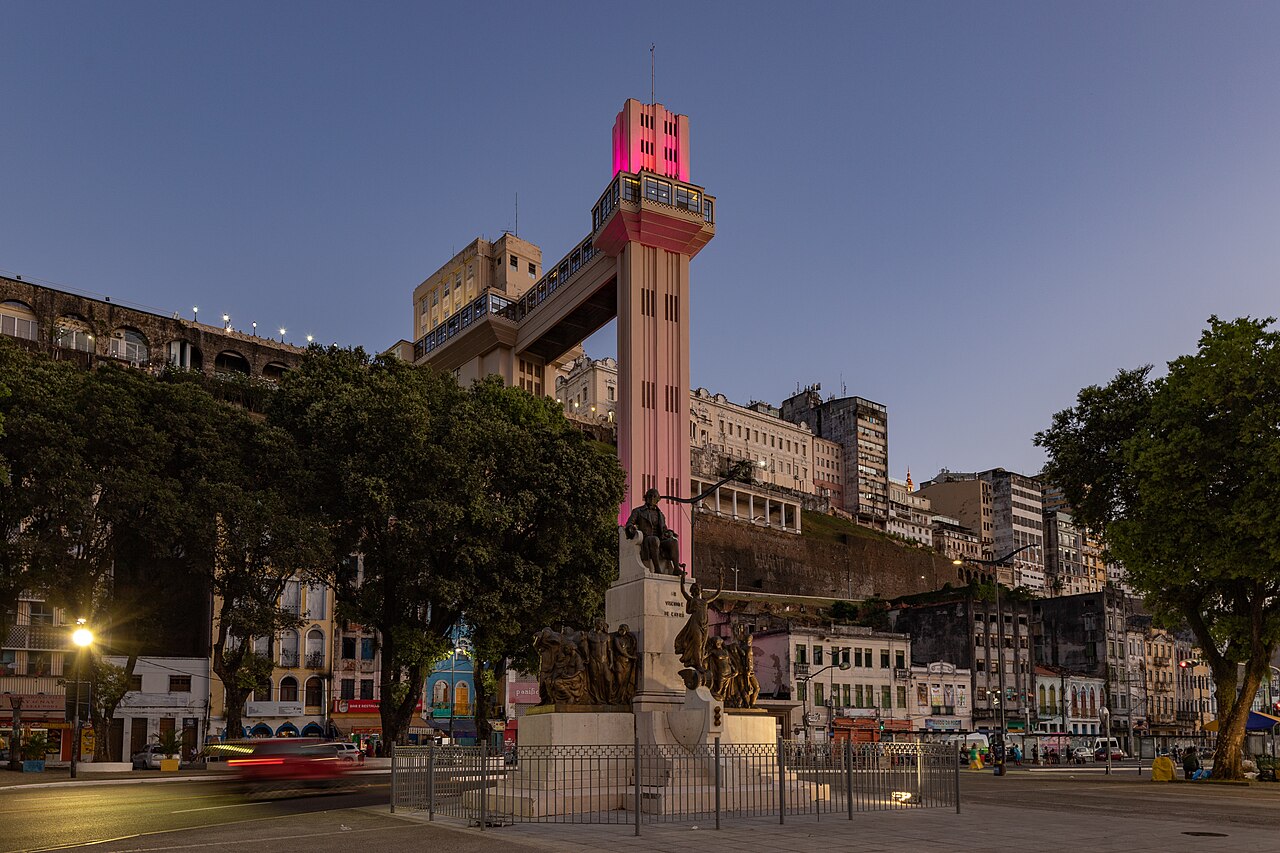
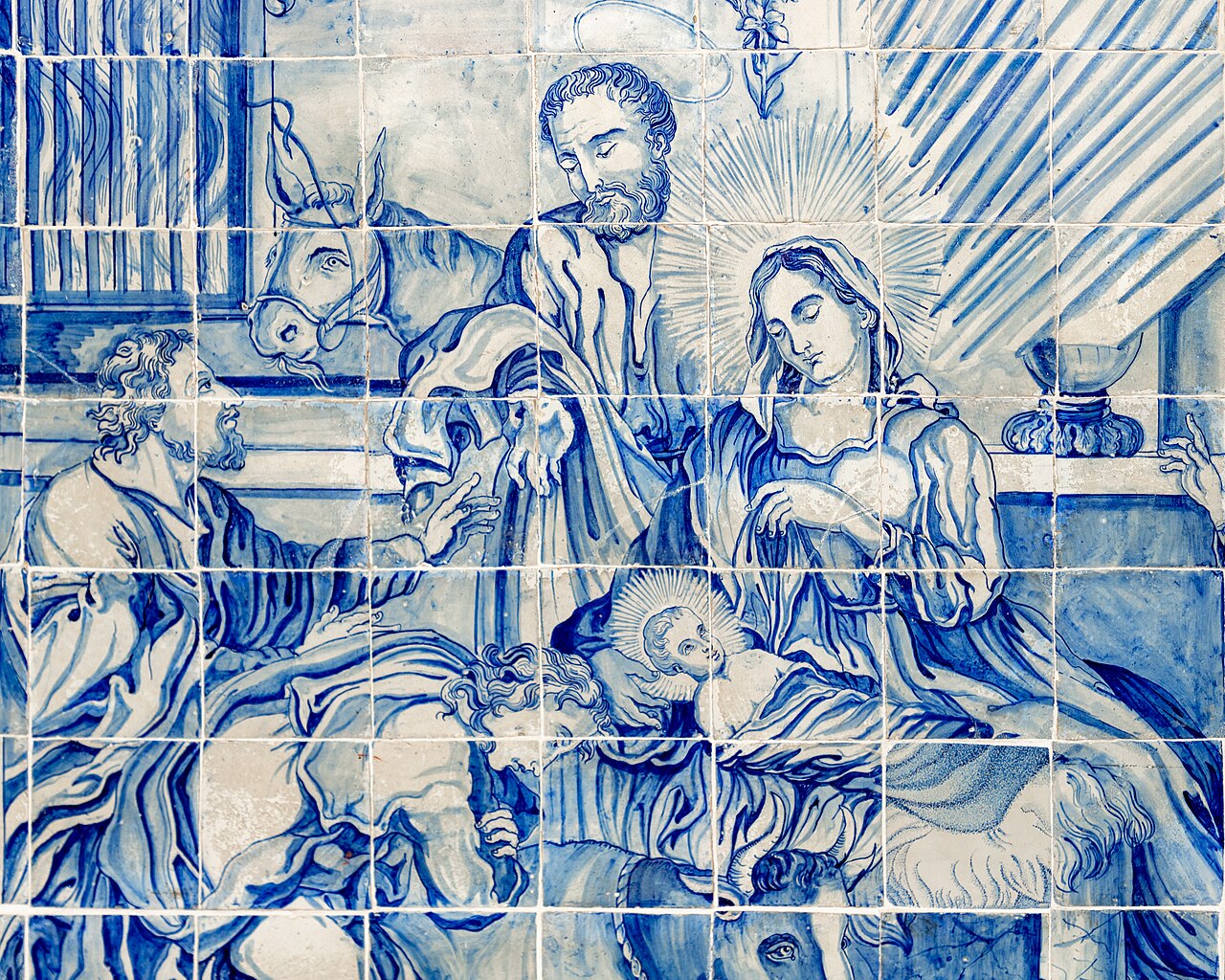
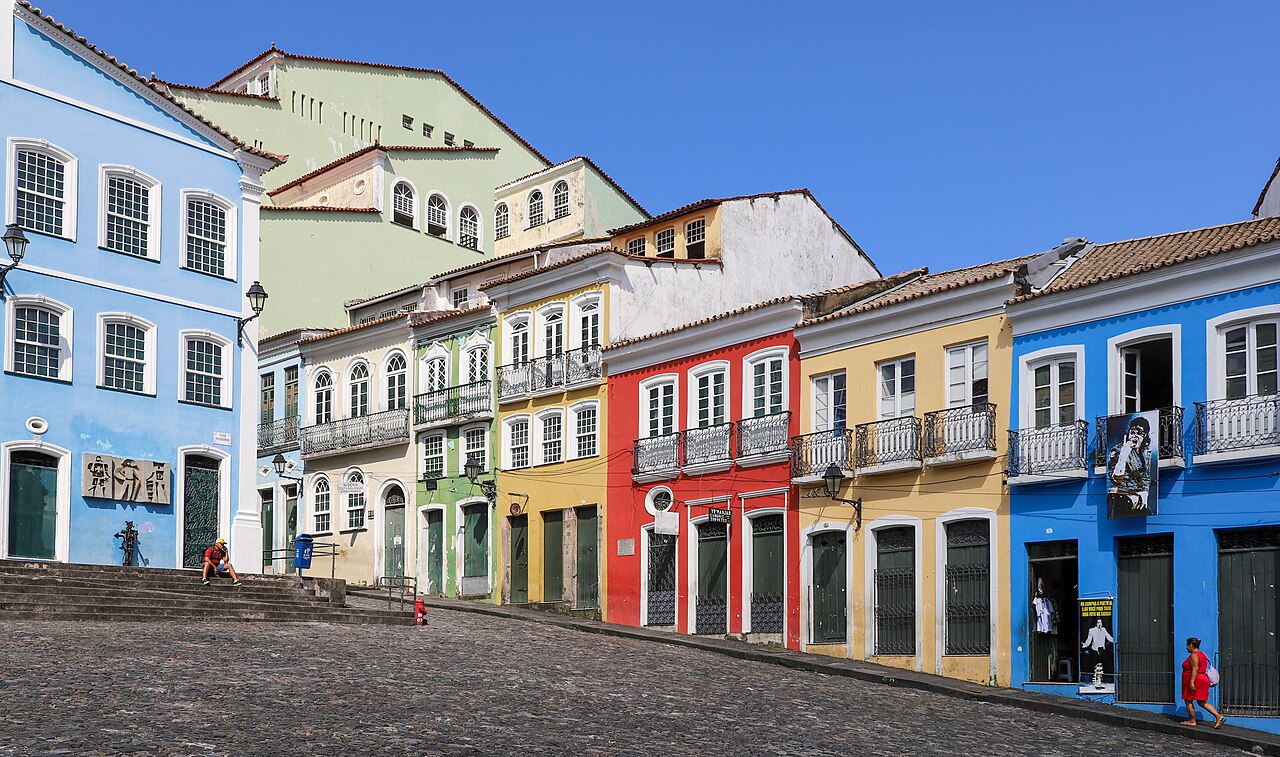
Start in the morning at Pelourinho, when the light is good and the lanes are quiet. Walk from the Terreiro de Jesus down through the Largo do Pelourinho, check which churches are open before you commit to a route, and add the MAFRO museum on the Terreiro de Jesus if you want context for what you are seeing. Have lunch in the historic centre, then ride the Lacerda Elevator down to the lower city. Walk to the Mercado Modelo for crafts and a coconut water on the balcony, then follow the waterfront through the Comércio district. In the late afternoon, ride back up and return to the squares for the evening drumming, taking a ride-hailing car back to your hotel rather than walking the slopes after dark.
Day two: Bonfim and Barra
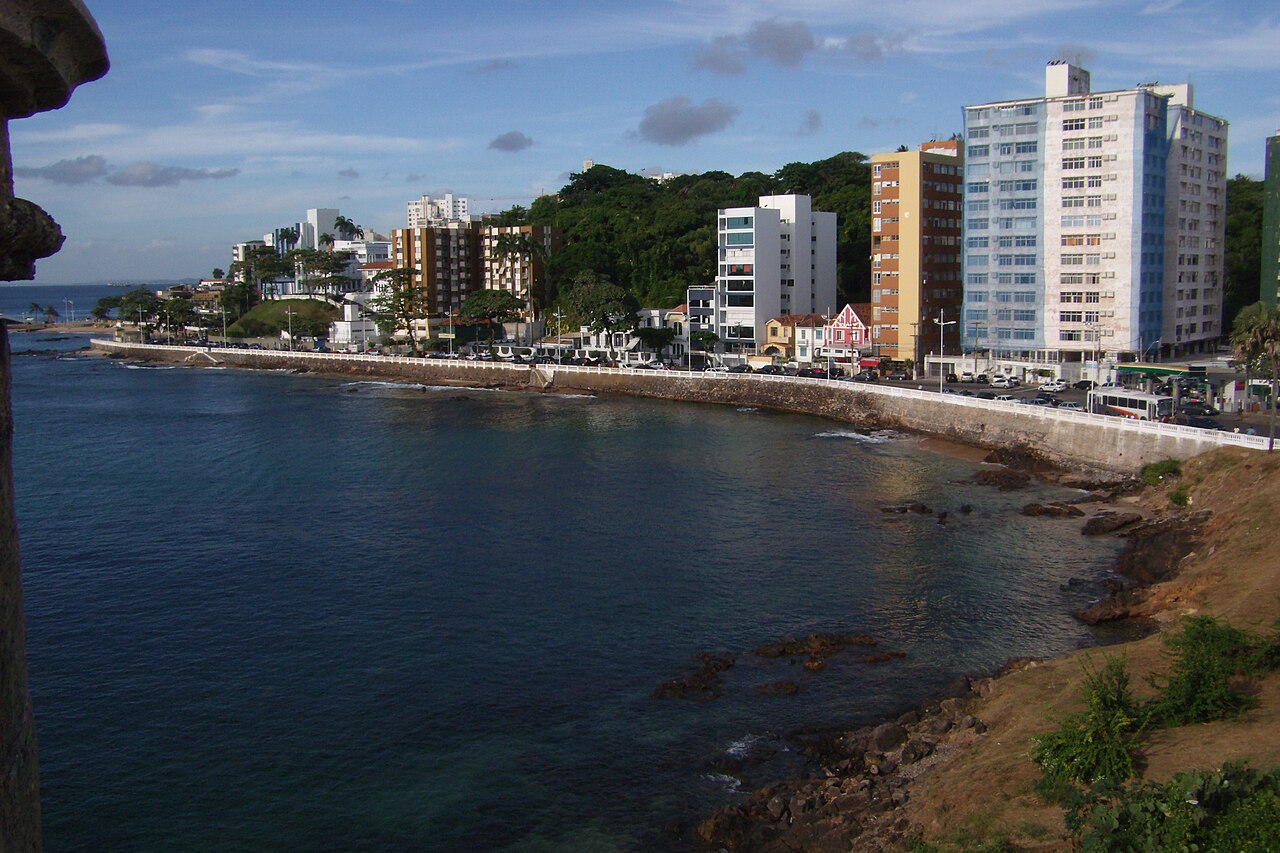
Take a taxi or ride-hailing car to the Bonfim basilica on its hill in the morning, when it is cooler and quieter. Look at the wishing ribbons tied to the railings and the church's interior, then wander the surrounding streets. Return south for lunch and an easy afternoon in Barra, with a walk to the lighthouse and the nautical museum if it is open. Spend the last hour of daylight at Porto da Barra beach, where locals gather for the sunset, and stay for a drink on the seafront. This is the day to slow down, swim and watch the city come out in the evening.
Day three: choose your own adventure
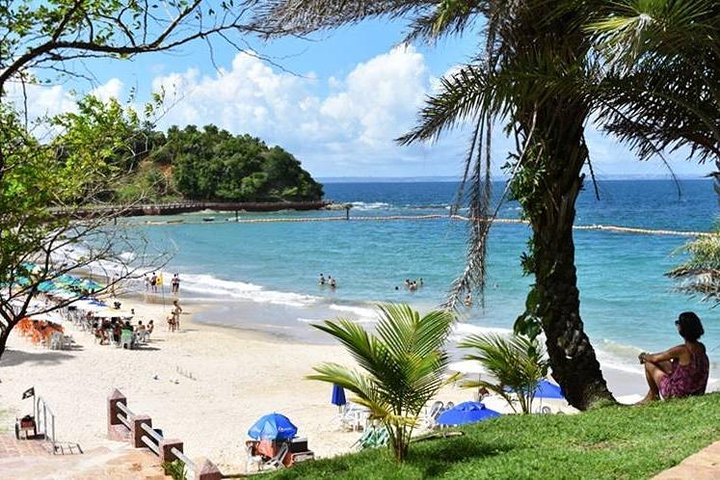
Beach lovers can head to Itapuã for the lighthouse, rock pools and the Lagoa do Abaeté, and be back for dinner. If you prefer the water, a full-day boat trip across All Saints Bay to the Ilha dos Frades and Itaparica is a relaxed option. Food lovers should book a Bahian cooking class and finish with a night in Rio Vermelho. Culture seekers might choose an Afro-Brazilian heritage tour in the morning and a capoeira and samba night in the evening. If you only want one more big thing, the day trip to Praia do Forte and its natural pools is the classic choice, though it takes the whole day.
What to book ahead
Very little needs to be booked far in advance, but small-group activities such as the cooking class, the capoeira and samba night and the day trips fill up in high season and around Carnival, so reserve those a few days ahead. Boat trips depend on the weather, so keep your flexible day for them. Museums and churches change their hours, so check on the day before you travel across the city for one.
Getting around
Use the Lacerda Elevator to link the lower and upper city, and use ride-hailing cars or taxis for everything else. They are inexpensive and they save your legs for the slopes you do want to walk. Avoid long walks along quiet streets after dark, keep your phone out of sight in crowds and carry only the cash and cards you need for the day.
Where to stay
For a three-day trip, the historic centre puts the old town and the evening music at your door, while Barra is the easiest base for a beach and a calm seafront. Both work well, and the right choice depends on whether you want atmosphere or convenience. Pelourinho has the best early starts and the most character, and Barra has the better evenings by the sea.
Practical notes
Salvador is hot and humid all year, so carry water, sun protection and a light rain jacket, and wear comfortable shoes with grip for the cobbles. Dress modestly for churches, with shoulders and knees covered. A little Portuguese goes a long way, and a smile and a few words of thanks open many doors. As always, check your government's current travel advice for Brazil before you travel and ask your hotel for up-to-date local tips when you arrive.