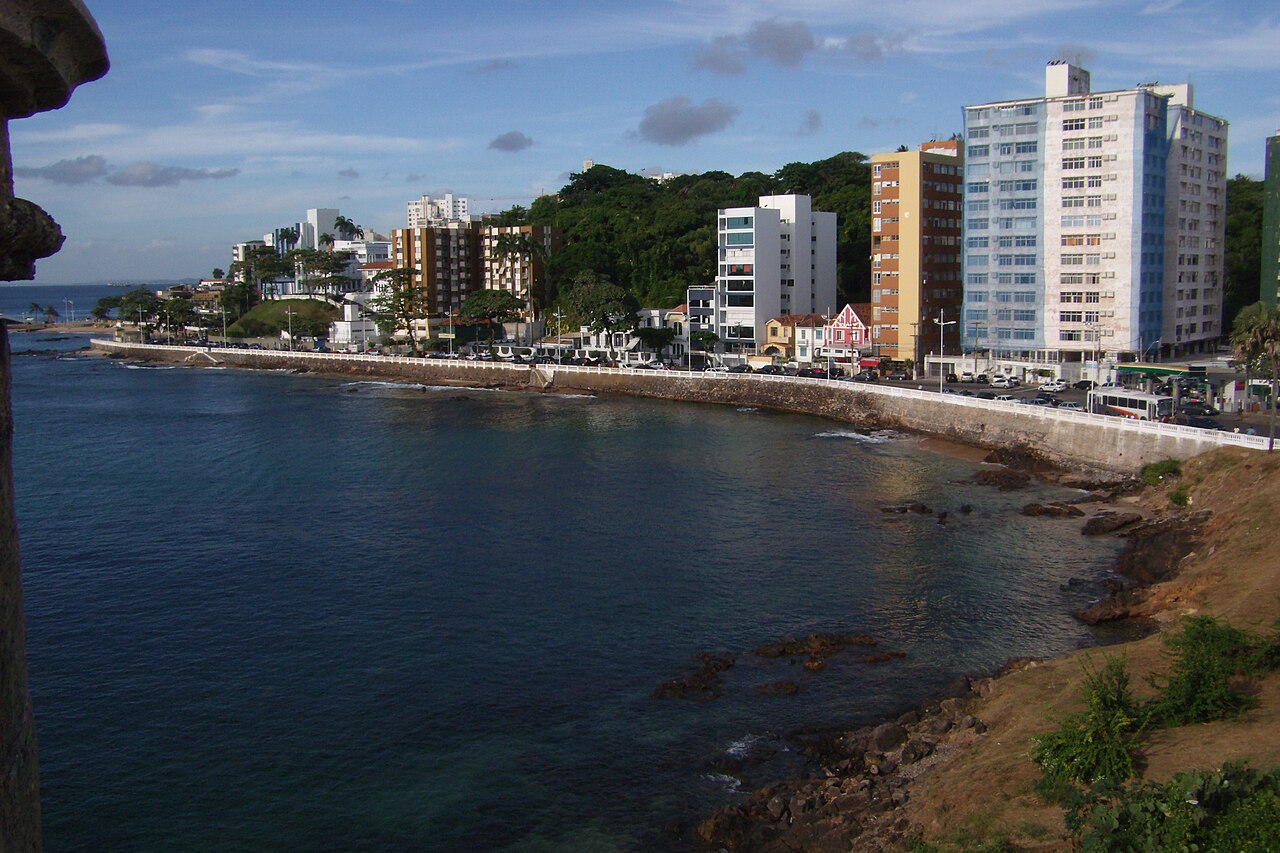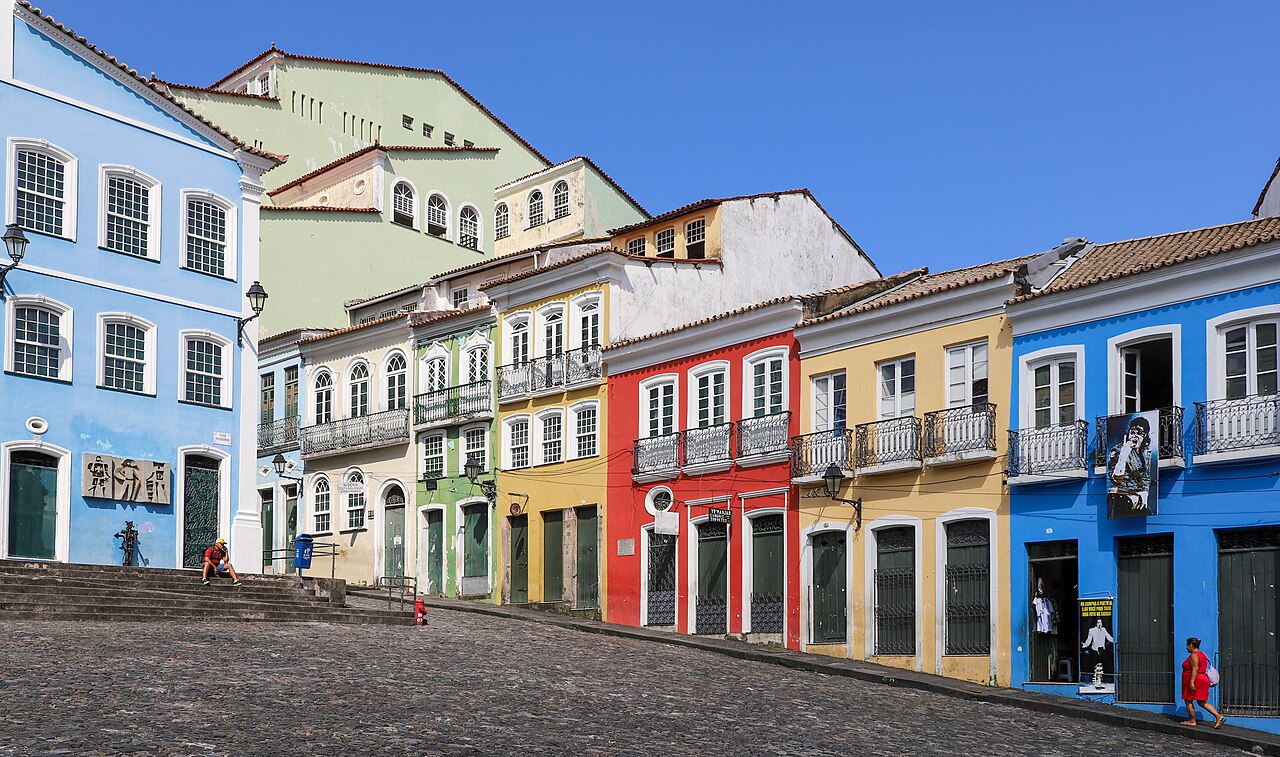
Salvador was Brazil's first capital and remains its most Afro-Brazilian city, a place of drums, dendê oil, baroque churches and bay views. The historic centre sits on a cliff above the harbour, the beaches of Barra lie to the south and the Bonfim peninsula is to the north, so the main planning job is deciding how to link them without wasting hours in traffic.
Check travel advice first
As with any destination, check your government's current travel advice for Brazil before you book, and ask your hotel for up-to-date local tips when you arrive. Pelourinho and Barra are busy, much-visited areas, and the usual city habits apply: carry little, keep your phone out of sight on crowded streets and use a taxi or ride-hailing car after dark rather than walking quiet streets.
What to book ahead
Very little needs booking far ahead, but a few experiences are worth reserving. A Bahian cooking class and a capoeira and samba night are small-group activities that fill up in high season, and the Morro de São Paulo and Praia do Forte day trips depend on weather and tides, so choose flexible dates and read the cancellation terms. Hotels in the historic centre and Barra sell out for Carnival, New Year and the festival of Iemanjá in early February, so book those dates well ahead.
What is free
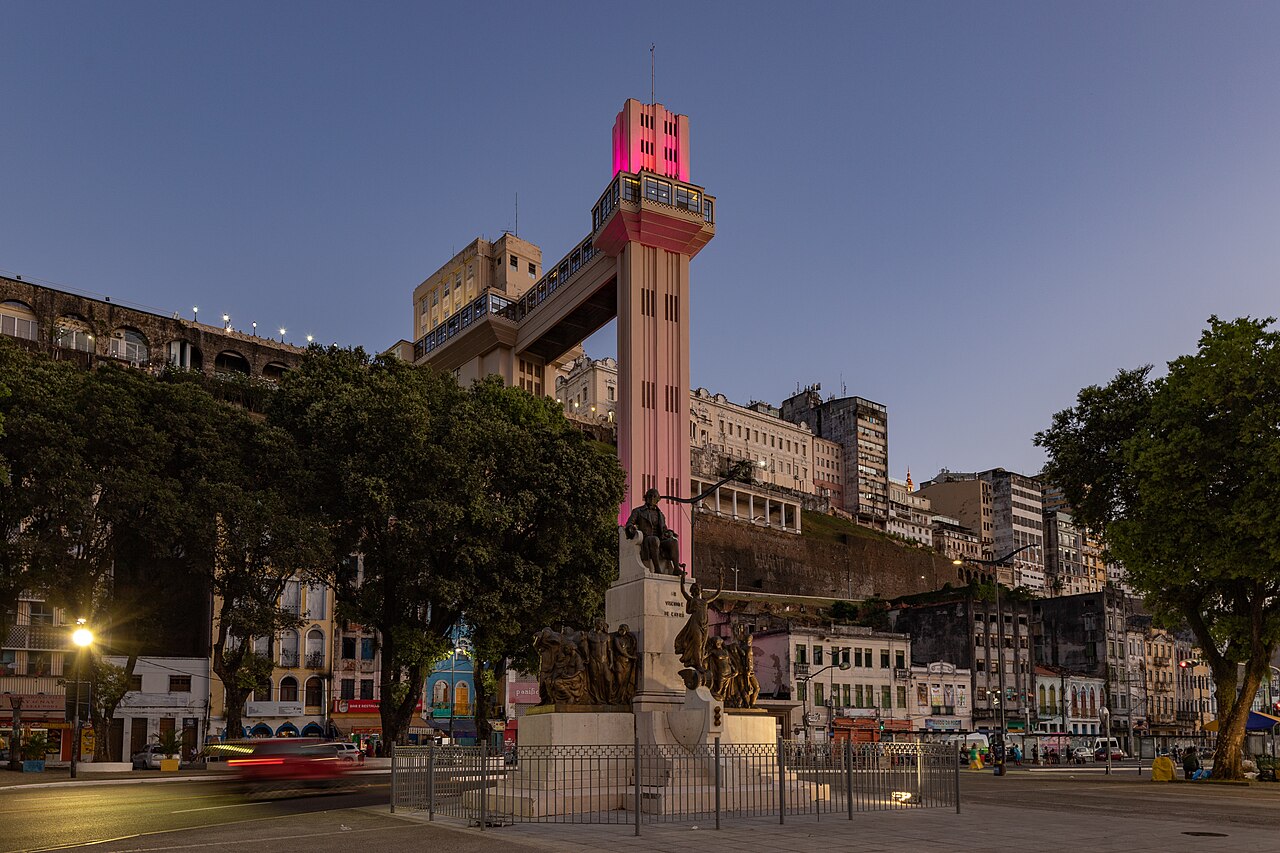
Pelourinho, the Bonfim basilica, Porto da Barra beach and the Lacerda Elevator cost nothing or almost nothing, which makes Salvador one of the cheaper cities in Brazil for sightseeing. The MAFRO museum and the Museu Náutico charge small admissions. Check which churches are open, because the Igreja e Convento de São Francisco has been closed for restoration and several other historic buildings are restricted from time to time.
How to get around
The historic centre is walkable but steep. The Lacerda Elevator links the lower city, where the Mercado Modelo stands, with the upper city in under a minute. For everything else, taxis and ride-hailing cars are cheap and the simplest option, especially for Bonfim, Barra and the airport. Buses are crowded and confusing for visitors, so keep them for later visits. Allow extra time on weekdays at rush hour, when traffic on the main avenues slows to a crawl.
How many days
Three days is a comfortable first visit. Spend the first on Pelourinho, the Lacerda Elevator, the Mercado Modelo and MAFRO, finishing with drums on the squares. Spend the second on Bonfim in the morning and Barra in the afternoon, ending with sunset at Porto da Barra. Use the third for a cooking class and a capoeira and samba night, or for a beach day trip. A fourth day lets you add a second day trip, and Morro de São Paulo is better with a night on the island than as a rushed day.
Where the sights fit
Pelourinho, the elevator, MAFRO and the Mercado Modelo are all in the old centre and lower city. Bonfim is a separate outing to the north. Barra is the seafront to the south. Praia do Forte lies up the Coconut Coast, and Morro de São Paulo requires a boat, so treat both as day trips.
Practical notes
The climate is hot and humid all year, with the heaviest rain generally in the autumn and winter months, so carry a light rain jacket and drink plenty of water. Bring sun protection, comfortable shoes with grip and a little cash for markets and beach vendors. Dress modestly for churches, with shoulders and knees covered. Learn a few Portuguese phrases, because English is not widely spoken outside tourist businesses.