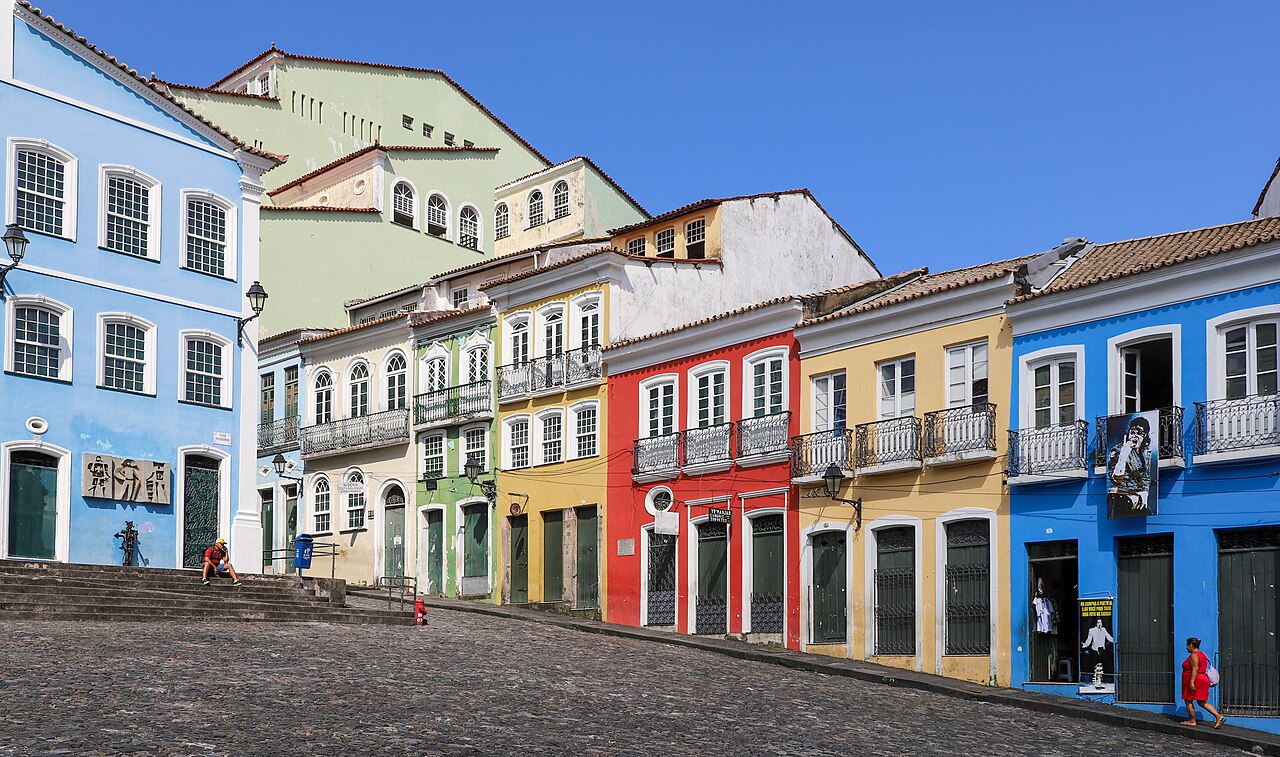
Salvador is a year-round destination. It sits close to the equator, so the weather is warm and humid in every month, and there is no cold season to avoid. What changes is the rain, the crowds and the calendar of festivals, and the best time for you depends on whether you want quiet beaches, big street parties or a balance of both. This guide explains how the year works and when each option makes sense.
The weather
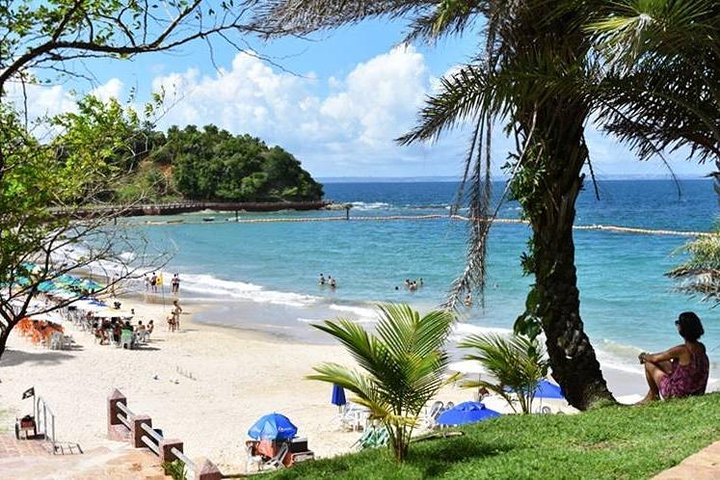
Expect hot, humid days all year, with sea breezes that help on the coast. The drier, sunnier months are generally from about September to March, when the beaches and boat trips are at their best, and the heaviest rain generally falls in the autumn and winter months, around April to July. Rain often arrives in short, heavy bursts that clear quickly, so a rainy-season visit is far from a washout, but boat trips and day trips depend on the sea, so build in some flexibility. Always carry a light rain jacket, sunscreen and water.
Summer: the high season
From December to March the city is busiest, with warm sunny weather, the school holidays and the big celebrations. Prices for hotels and tours are at their highest, especially around New Year and Carnival, and the best rooms go early. If you want the beaches, the boat trips and a lively atmosphere and do not mind crowds, this is the classic time to come. Book accommodation and popular activities well ahead.
Carnival
Salvador's Carnival, in February or early March depending on the year, is one of the largest street parties in the world, with music trucks, parades and crowds across the city for about a week. It is thrilling, but it is also loud, expensive and crowded, with high prices and heavy demand for hotels, and it is not the time for quiet sightseeing. Plan your stay, transport and belongings carefully, travel in a group, keep valuables to a minimum and be prepared for closures and traffic changes.
Festivals through the year
The festival of Iemanjá, the Queen of the Sea, is held every year on 2 February in Rio Vermelho, with offerings of flowers and small boats and a joyful crowd. The washing of the Bonfim steps takes place in January, when worshippers in white walk in procession to the basilica and wash the steps, a vivid mix of Catholic and candomblé traditions. In June the Festas Juninas fill the city with bonfires, corn dishes, music and forró, and on 2 July Bahia celebrates its independence with a large parade. Dates shift from year to year, so check the calendar when you plan.
The quieter months
If you prefer fewer crowds and lower prices, the shoulder periods are a good choice, especially April to June outside the festivals and the months before the summer season in September and October. You will see the same sights with shorter queues, and hotels often have better availability. Accept a bit of rain in exchange for the calm, and plan indoor options such as a cooking class, the MAFRO museum or a folklore show for wet afternoons.
Choosing by interest
Beach and boat lovers should aim for the drier months. Culture and food lovers can come at any time and will find plenty to do indoors and out. Festival fans should pick a date such as Carnival, Iemanjá, the Bonfim washing or the June celebrations and plan around it. Families often prefer the shoulder months for lower prices and easier logistics.
Practical notes
Whenever you come, start sightseeing early to avoid the midday heat, take breaks in the shade and drink plenty of water. Check your government's current travel advice for Brazil before you book, and ask your hotel for up-to-date tips when you arrive. If your dates are flexible, a useful rule is to decide your priority first: pick the drier months for the water, a festival week for the atmosphere and the shoulder months for value. Whichever you choose, book your first and last nights early, leave one flexible day for weather and keep an eye on the calendar for local holidays, which can close museums and change transport schedules. Pack light, breathable clothes and a thin layer for air-conditioned rooms and buses.