Bahian cooking is the most distinctive regional cuisine in Brazil and one of the main reasons to visit Salvador. It grew from African traditions blended with Portuguese and Indigenous ingredients, and its signature flavours come from dendê palm oil, coconut milk, fresh seafood, peppers and dried shrimp. Many dishes are rich, spicy and deeply rooted in the Afro-Brazilian religions, which is why you will often hear food discussed alongside music and history. This guide explains the dishes to know, how to order them and where to find them.
Start with acarajé
The fried black-eyed pea fritter is the most famous street food in Bahia. It is made from a paste of beans and onion, deep-fried in dendê oil and split open to be filled with vatapá, caruru, dried shrimp, salad and pepper sauce. It is traditionally sold by women in white dress, known as baianas, from stalls and street corners across the city. Order it with or without pepper, which is the question you will always be asked, and eat it while it is hot. Itapuã and Rio Vermelho are known as places where acarajé is part of the neighbourhood's identity, and a stall in either is a good first try.
Moqueca and the stews
Moqueca baiana is a stew of fish or shrimp cooked with coconut milk, dendê oil, peppers, tomato and coriander, traditionally served in a clay pot with rice and farofa. It is the dish that most visitors remember. Related dishes include vatapá, a creamy paste of bread, shrimp, coconut milk and peanuts, caruru, an okra and shrimp stew, and bobó de camarão, a creamy shrimp and cassava dish. Expect generous portions that serve two, so ask before you order for a table of three or four.
Snacks and sweets
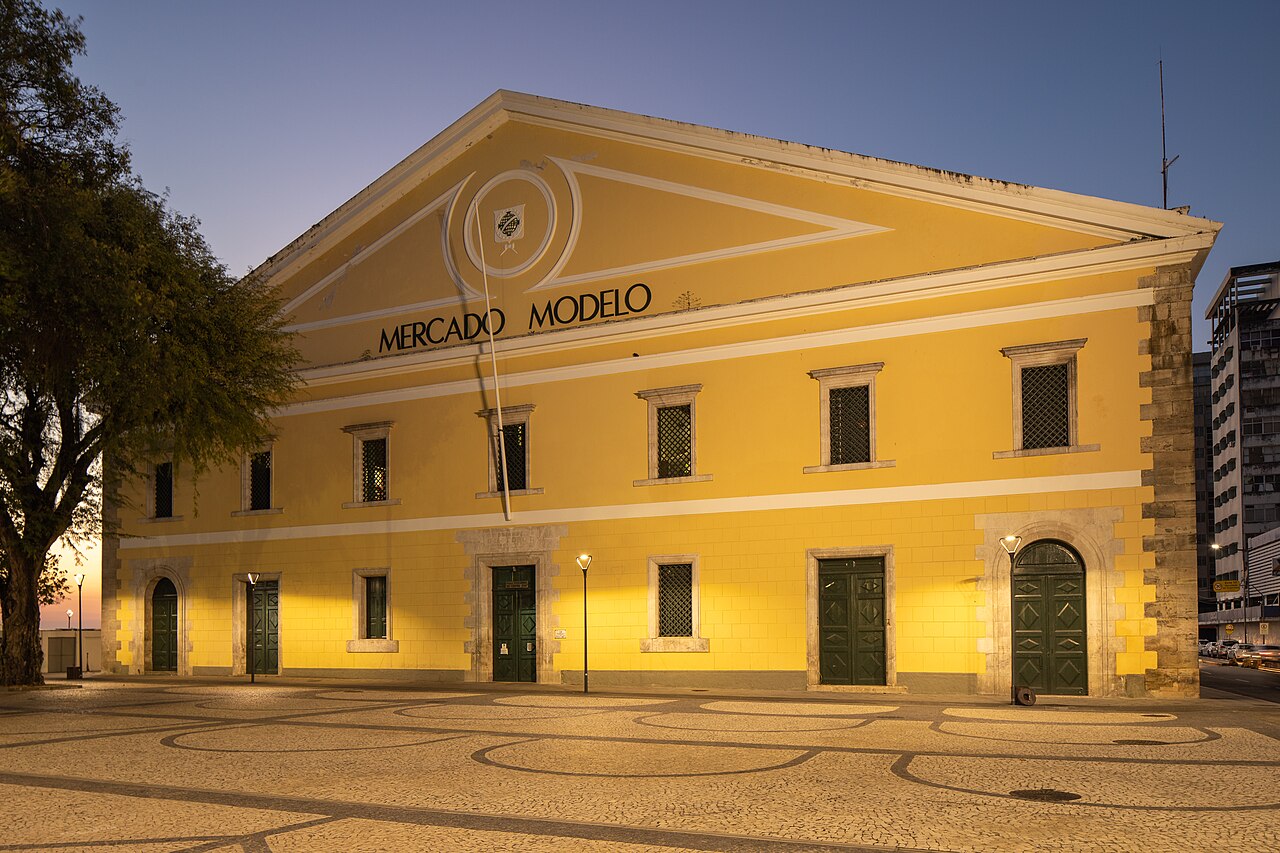
Look out for abará, a steamed cousin of acarajé wrapped in banana leaf, tapioca pancakes with sweet or savoury fillings, cocada, a sweet made from coconut, and fresh fruit and coconut water from street vendors. The Mercado Modelo has stalls and restaurants, and a stroll through the lower city turns up bakeries and lunch counters serving workers. Eat where there are locals and where food is cooked in front of you, and carry small change.
Drinks
The caipirinha, made with cachaça, lime and sugar, is the national cocktail, and Bahia has its own variations with local fruits. Cold beer is the default accompaniment to a day at the beach, and fresh juices and coconut water are everywhere. If you are cautious about tap water, stick to bottled water and ask for drinks without ice if you are unsure of the source.
Where to eat
The historic centre is full of restaurants serving Bahian classics, and the quality varies, so look for places that are busy with locals at lunchtime. Rio Vermelho is the district for a night out, with seafood restaurants, rooftop terraces and bars, and Itapuã offers a local, beach-side version. Barra's seafront has relaxed options with sunset views. Restaurants change over time, so ask your hotel or your guide for current favourites.
Learn to cook it
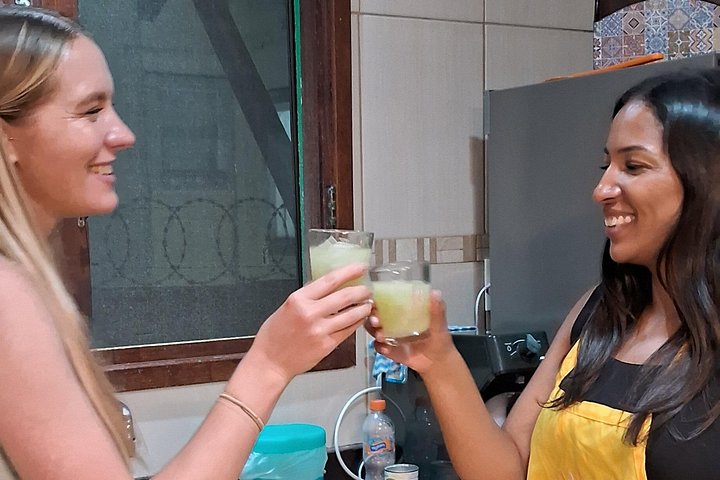
A hands-on cooking class is the quickest way to understand Bahian food. You prepare the dishes yourself, learn what dendê oil and coconut milk do and sit down to eat the results, usually with a caipirinha in hand. Book it early in your trip so the flavours make more sense when you eat out later. If you prefer to see the culture on a plate and on a stage, a folklore dinner show combines a Bahian meal with a programme of dance and music.
Practical notes
Mention allergies and dietary needs, especially shellfish, peanuts and dairy, since many dishes contain them, and ask whether dishes can be made without dendê if it does not agree with you. Vegetarian options exist but are limited in traditional restaurants. Tipping practices vary, and many restaurants add a service charge to the bill, so check before you add more. Finally, pace yourself. Bahian food is rich and heavy, so alternate a big moqueca lunch with lighter fruit, grilled fish or a simple salad in the evening, and leave room for dessert. Ask your server how spicy a dish is, since pepper sauce is often served on the side, and be adventurous with the small plates and snacks that locals order, which are often the most memorable bites of the trip.