Santiago is one of South America’s best places to eat, with an easy mix of market stalls, neighbourhood bars and ambitious restaurants, and a wine culture that makes every meal more interesting. Chilean cooking combines produce from the Pacific, the central valley and the Andes, so you can have fresh shellfish for lunch and a slow-cooked beef stew for dinner. Here is how to eat and drink your way around the city.
The rhythm of the day
Breakfast is light, often coffee with bread, avocado and cheese. Lunch is the main meal, served from around one, and many restaurants offer a weekday set menu, with a starter, main course and dessert at a good price. Dinner starts late, rarely before eight or nine, and weekends run later still. Between the two, locals have a snack called onces, a mid-afternoon tea with sandwiches and pastries, which is a lovely tradition to join.
Seafood
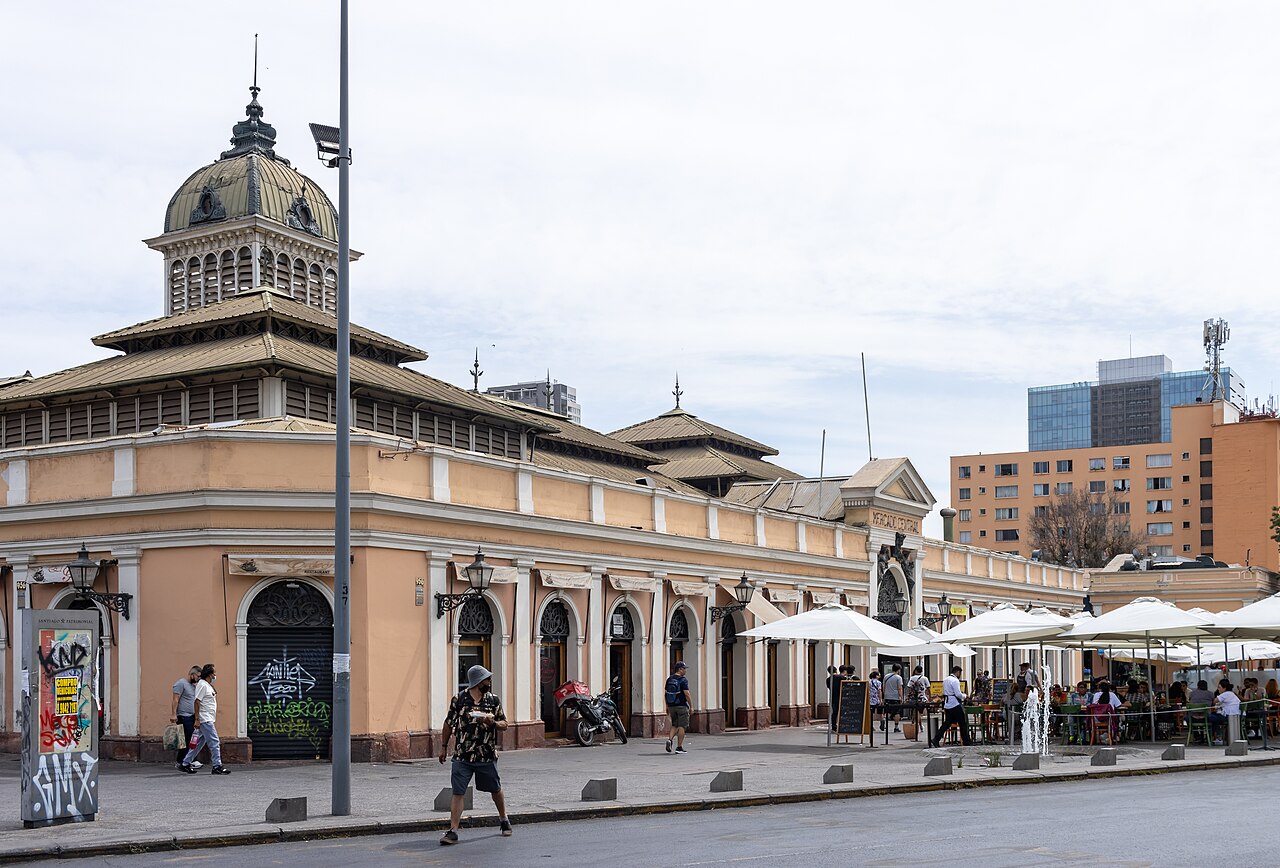
The Pacific supplies some of the best seafood in the world, and the Mercado Central is the classic place to taste it. Go for caldillo de congrio, a hearty conger eel soup, or try ceviche, razor clams baked with cheese, known as machas a la parmesana, and sea urchins for the adventurous. Look at menus before you sit down, since the central restaurants are pricier than the outer stalls. For a more modern take, many restaurants in Lastarria and Providencia serve contemporary Chilean seafood.
Street food and snacks
The empanada de pino, a baked pastry of minced beef, onion, egg and olive, is the national snack. Cheese empanadas, fried and served hot, are a common alternative. The completo, a hot dog loaded with avocado, tomato and mayonnaise, is the local fast-food classic, and a sandwich called a Barros Luco, with beef and melted cheese, is a standby. On hot days, look for mote con huesillo, a sweet drink of peach and wheat served cold from street carts, which you will find at the top of Cerro San Cristóbal.
Hearty classics
Pastel de choclo, a baked corn and beef pie, and cazuela, a comforting soup with meat, potato and corn, are traditional home dishes found on many lunch menus. Chilean barbecue is also excellent, with grilled meats served in generous portions. Vegetarians will find more choice in Providencia and Lastarria than in older neighbourhoods, but ask in advance, as many traditional dishes contain meat.
What to drink
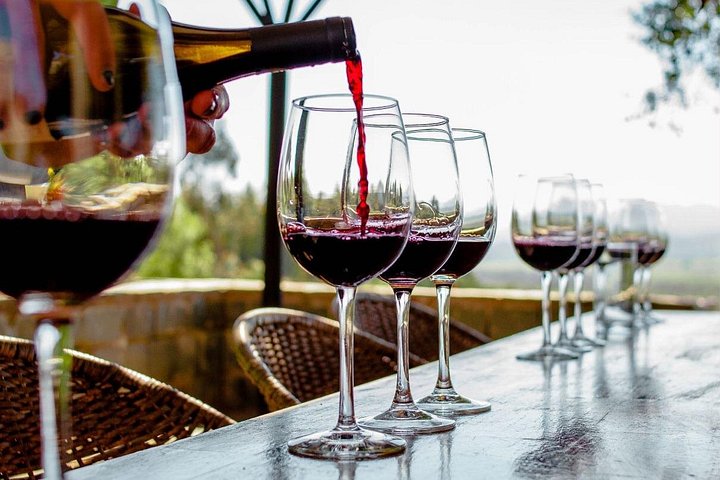
The pisco sour, made with Chilean pisco, lemon juice and sugar, is the national cocktail. Chile and Peru both claim it, and visitors can have fun trying both. Wine is a highlight. Carmenère, a grape that has almost vanished from its native France, has found a home in Chile and makes soft, spicy reds, and the Maipo Valley is famous for Cabernet Sauvignon. The cool Casablanca Valley produces crisp Sauvignon Blanc and Chardonnay. You can taste them in a wine bar in Lastarria, or at the source on a winery tour at Concha y Toro, Santa Rita or Casas del Bosque. Chile also has a strong craft beer scene, and cafes serve good coffee in the style of any big city.
Where to eat
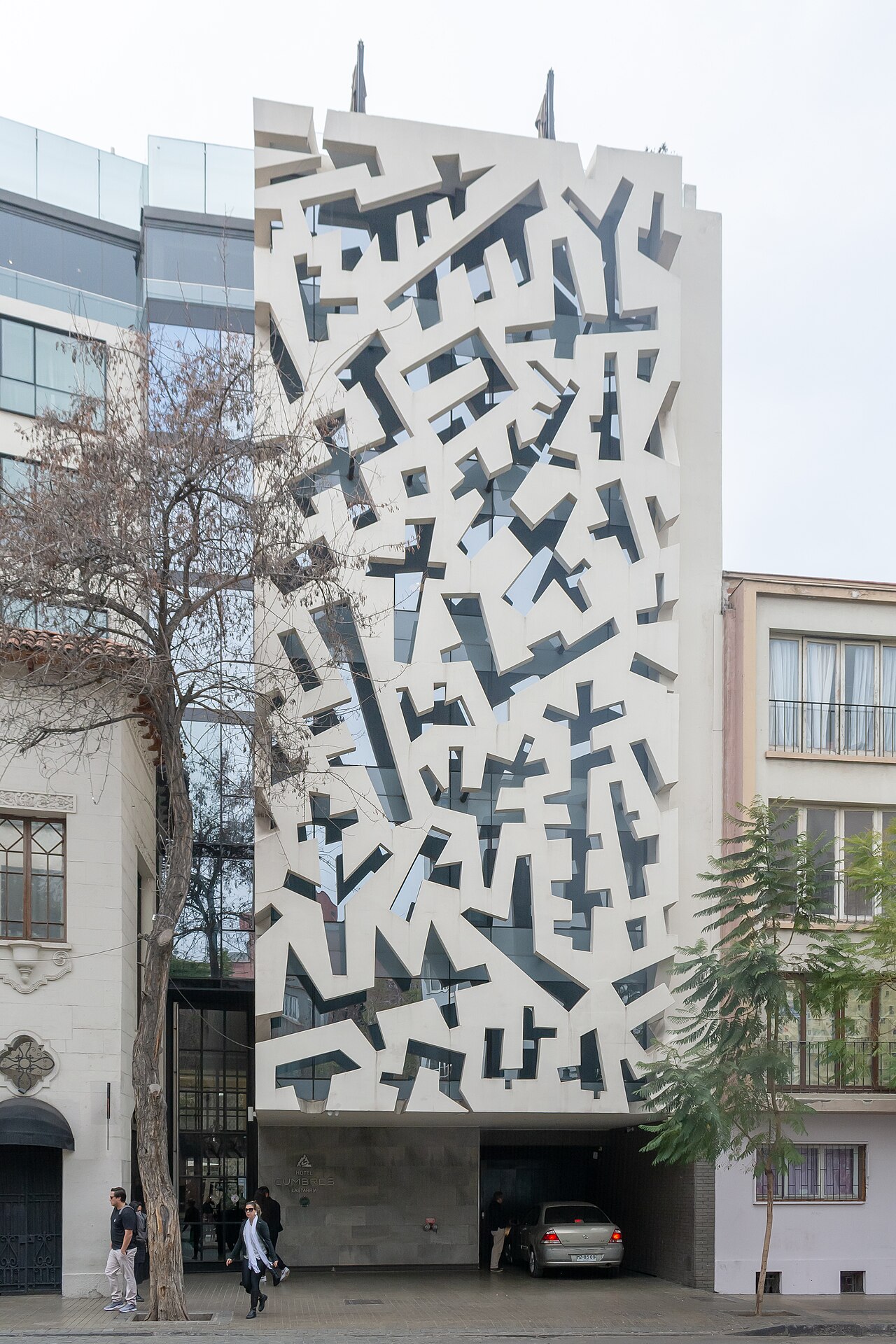
Lastarria is the most atmospheric choice for dinner, with terraces on plazas and a mix of casual and polished restaurants. Bellavista has lively bars and the Patio Bellavista food courtyard, and is good for late nights. Providencia and El Golf offer a wide range from simple lunch spots to elegant dining, and the hotels in these districts, such as the Ritz-Carlton and W Santiago, have popular bars. For a casual lunch, look for the neighbourhood markets and the historic centre’s fixed-price lunches.
Practical tips
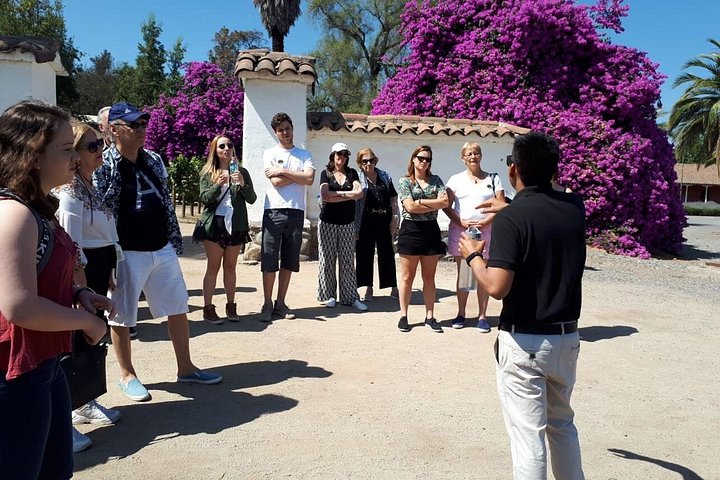
A tip of around ten percent is usual and is often suggested on the bill. Book popular restaurants in advance on Friday and Saturday. Tap water is safe but many visitors choose bottled. If you would like help finding the best bites, a food tour is a good way to taste several dishes in a few hours.
Sweet things
Leave room for dessert. Alfajores, soft biscuits filled with dulce de leche, are everywhere, and many cafes serve cakes such as the milhoja, a layered pastry with caramel, and the classic leche asada, a baked custard. Chilean chocolate and ice cream shops are also worth a stop, especially in Lastarria and Providencia, where small producers experiment with local flavours such as lúcuma, a sweet fruit from the Andes.