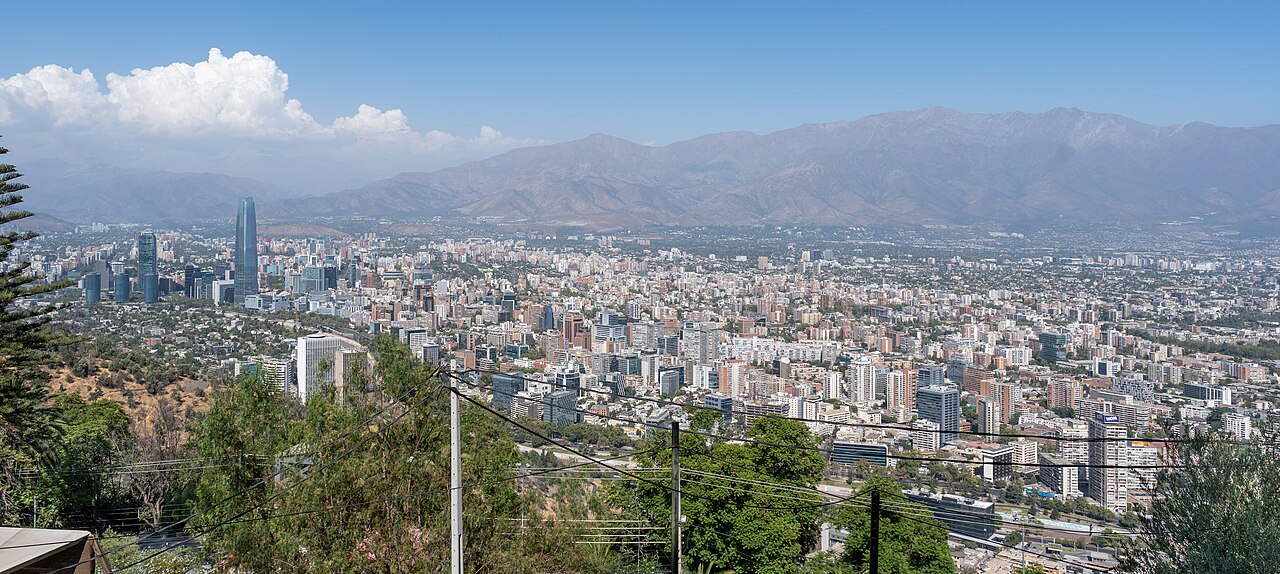
Three days is the right amount of time to see the best of Santiago without rushing, and the city is compact enough that most of it can be covered by metro and on foot. This itinerary groups the sights by area so you spend your time looking at things rather than crossing town, and it leaves room for long lunches, which are an essential part of the local rhythm.
Before you start
Book anything that needs reservations as soon as your dates are fixed, in particular the free guided visit to La Moneda, which needs advance registration, and any winery tour. Buy a rechargeable bip! card at a metro station for the trip, since the metro will carry you almost everywhere. Remember that several museums close on Mondays and the cable car on Cerro San Cristóbal is shut that day, so Monday is the best day for the wine country, which is open throughout the week.
Day one: the historic centre
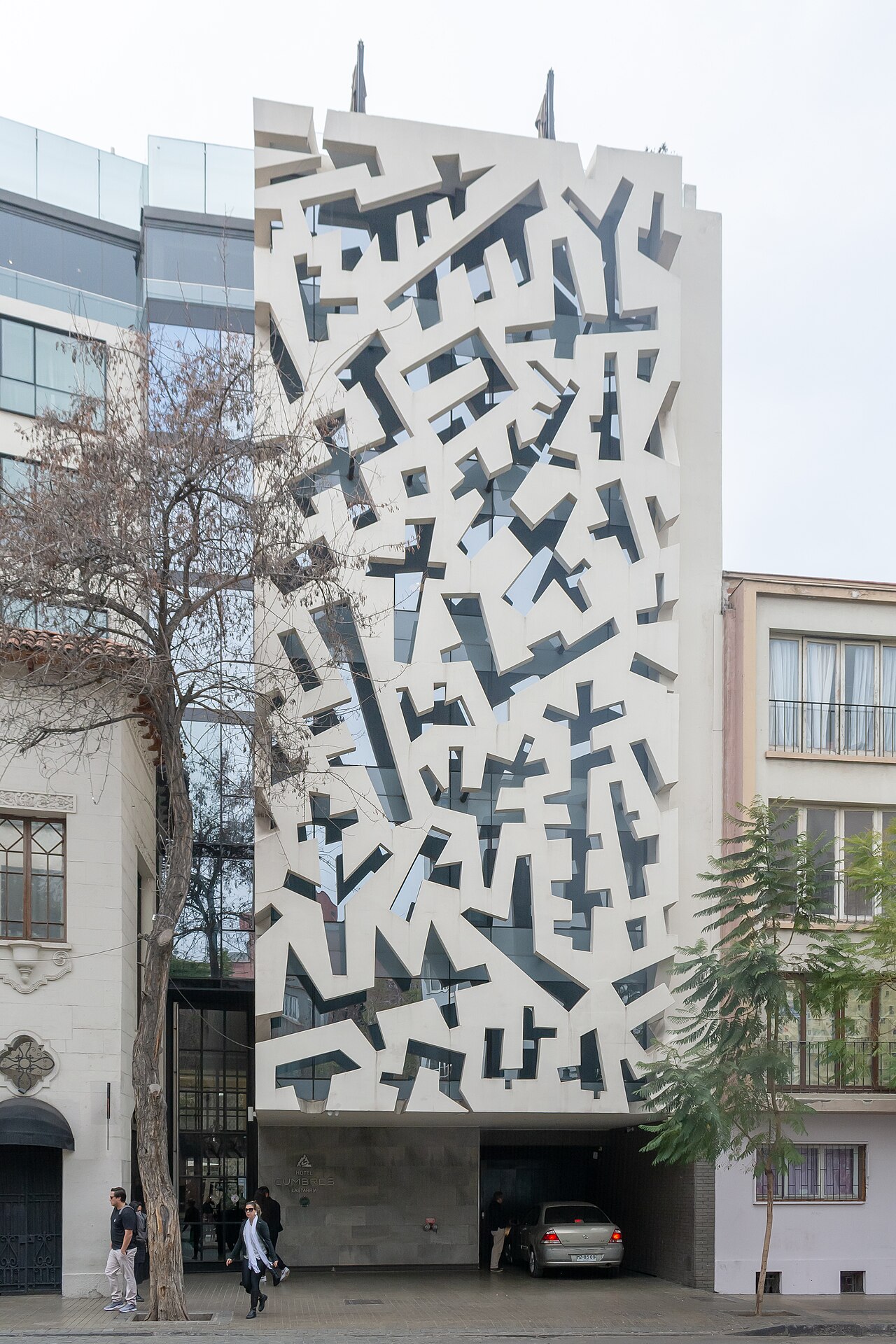
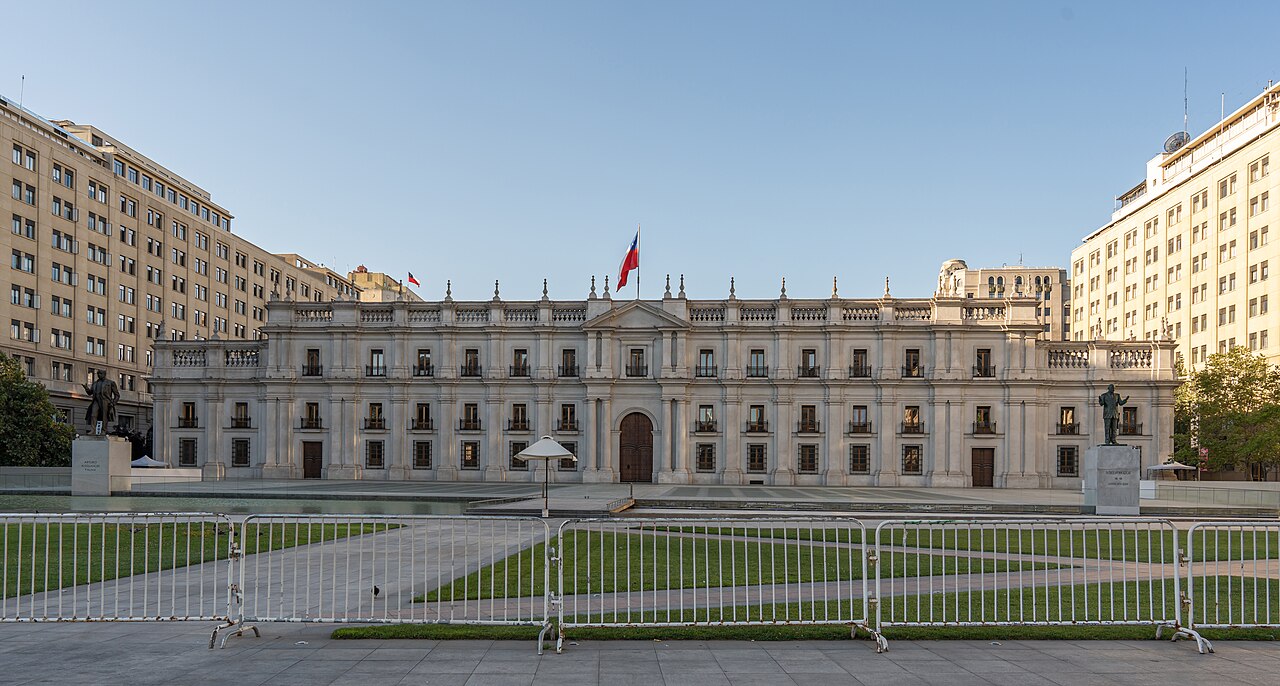
Start the morning with the La Moneda tour if you have a place, then spend time on the Plaza de la Constitución and the Centro Cultural La Moneda below it. Walk north along the pedestrian streets to the Plaza de Armas, the colonial heart of the city, with its cathedral and the old post office. A short walk away, the Museo Chileno de Arte Precolombino is the best museum in the city and deserves at least ninety minutes. Continue to the Mercado Central for a seafood lunch, ideally the classic conger eel soup, and be ready for lively waiters. In the afternoon take the metro to Santa Lucía and climb Cerro Santa Lucía, where the terraces and stairs lead to a viewpoint above the city. Finish with an early evening stroll through Lastarria, where the cafes, wine bars and small restaurants are at their best from around eight.
Day two: hills, poets and a sunset
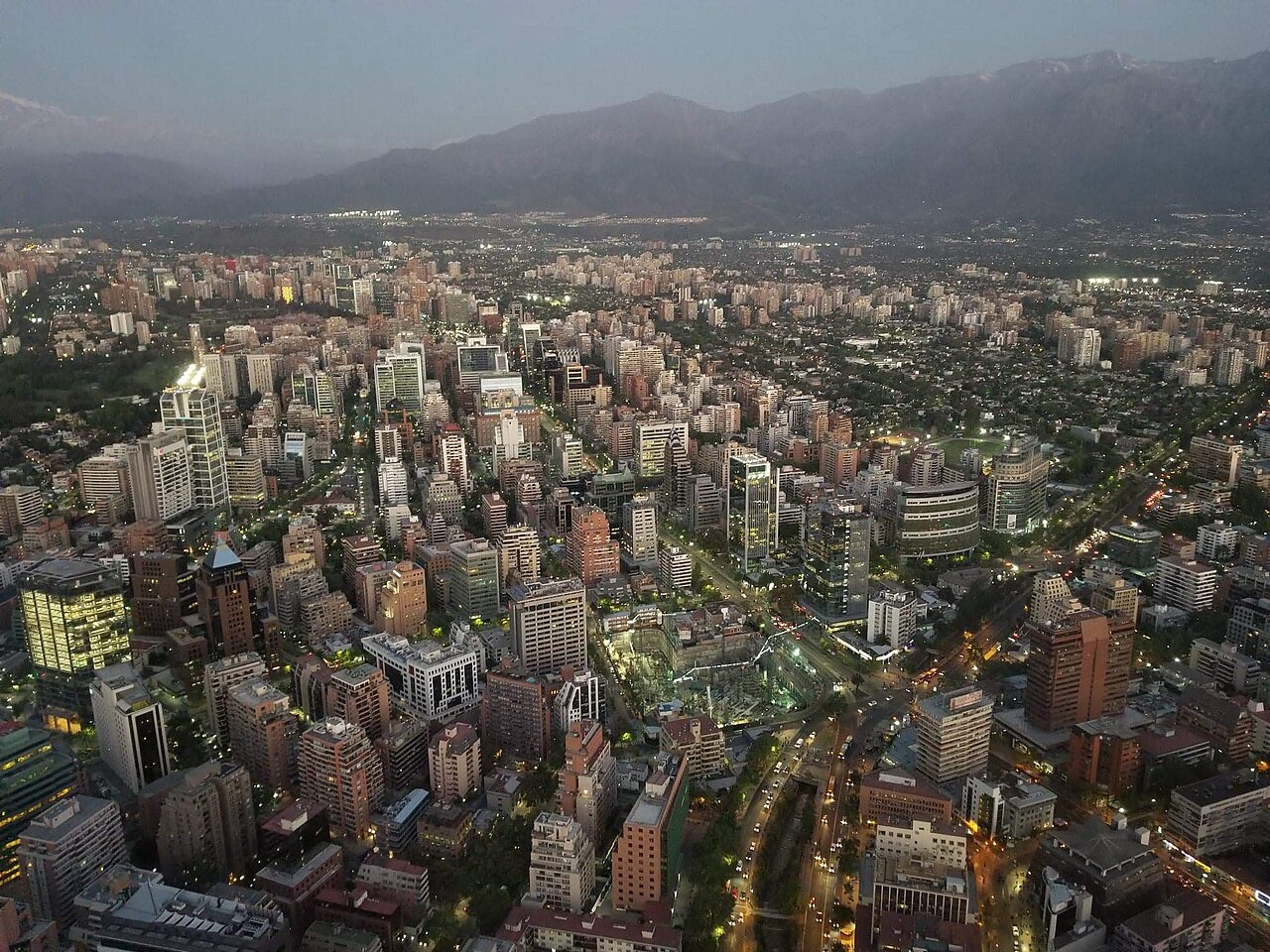
Begin in Bellavista with a visit to La Chascona, Pablo Neruda’s house at the foot of Cerro San Cristóbal, which is best booked or reached early. Then ride the funicular up the hill, walk to the viewpoint and the statue of the Virgin, and take the cable car down towards the Providencia side, stopping at the Japanese Garden if you have time. Have lunch in Providencia, whose restaurants and parks are a pleasant contrast to the centre, and visit the Museo de la Memoria y los Derechos Humanos if you want a serious, moving look at recent history. In the late afternoon go to the Sky Costanera in the Costanera Center, where the viewing deck on the top floors gives a sweeping panorama. Time your visit to catch the sunset and the first lights, and book a timed slot in advance at weekends. Dinner in El Golf or Providencia is an easy finish.
Day three: wine country
Dedicate the third day to the vineyards. The Maipo Valley is the closest and most famous, with Concha y Toro, Santa Rita and Undurraga all within an hour of the city, and each offers tours and tastings. A half-day with one estate and a long lunch is enough, and a driver or small-group tour is far better than driving yourself. If you prefer cooler-climate whites and a bit of coastline, the Casablanca Valley, with Casas del Bosque, lies on the road to Valparaíso and can be combined with a glimpse of the port city. Return to Santiago in time for a final dinner and a farewell pisco sour.
If you have more time
A fourth day gives space for Valparaíso and Viña del Mar, which are about two hours away and make a full day on the coast. A fifth can go to the Cajón del Maipo, where the Andes begin at the edge of the city, or to the ski fields of Farellones and Valle Nevado in winter. Isla Negra, the poet’s favourite house, pairs well with a winery on the way back.
Practical notes
Weekdays are best for museums and markets. Santiago is generally safe for visitors, but keep phones and bags secure in crowded areas such as the centre and the metro. Tap water is drinkable, but many visitors prefer bottled. Lunch is the main meal and the set menu of the day, or menú del día, is good value. Carry a light jacket even in summer, since evenings can be cool and the air conditioning in museums can be chilly.