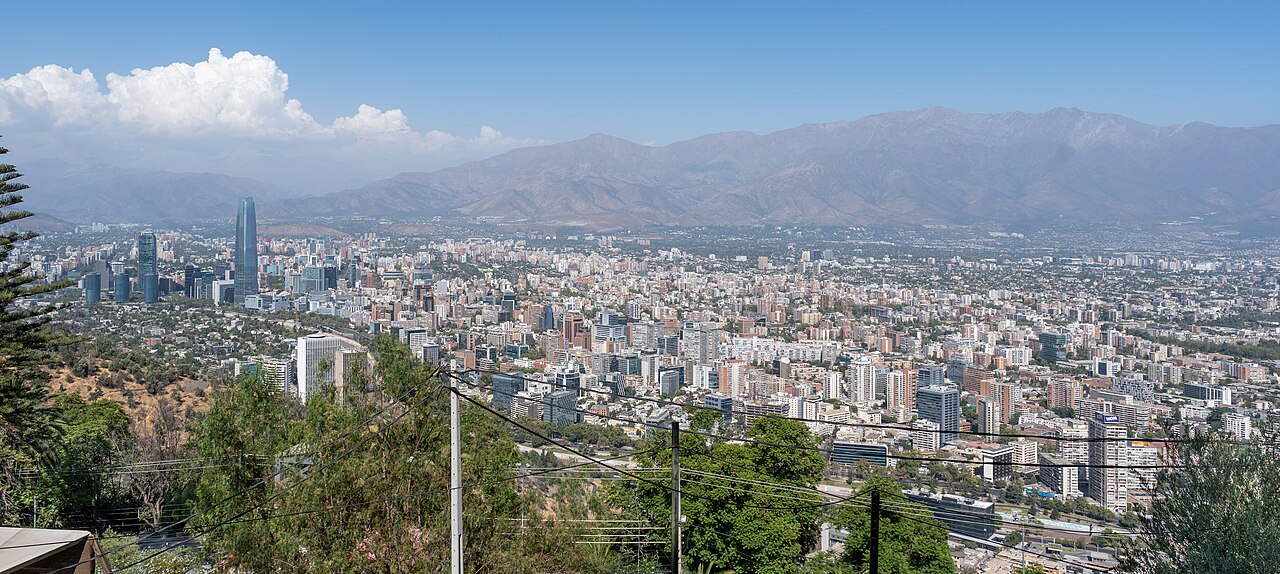
Santiago has a Mediterranean climate, with hot, dry summers and cool, wetter winters, and because it lies in the southern hemisphere the seasons are the reverse of Europe and North America. The best time to visit depends on what you want to do: spring and autumn suit sightseeing, winter suits skiing and summer suits wine and coastal trips. Here is a season-by-season guide.
Spring (September to November): the best all-round choice
Days are warm and bright, evenings are cool, and the city is full of blossom. Rain in early spring can leave the air crystal clear and the Andes dusted with snow, giving some of the best views of the year. Vineyards are green and tours are comfortable. September has a major national holiday week, Fiestas Patrias, around the eighteenth, when locals travel and the city can feel quiet but festive, with barbecues and traditional dances in parks. Book hotels early for that week. November is lovely, with long evenings and fewer crowds.
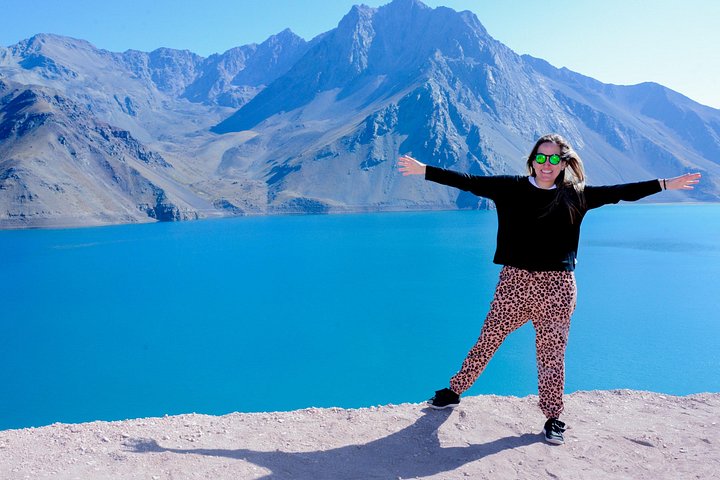
Summer (December to February): hot, dry and good for the mountains and coast. Temperatures often reach the low thirties Celsius and sometimes higher, with almost no rain. The days are long, which is good for sunsets at Sky Costanera and Cerro San Cristóbal. Many Santiaguinos escape to the beaches, especially in February, so the city can be quieter, though some small restaurants and shops close. This is the best time for the Cajón del Maipo and the Andes, since high roads and lakes are open, and it is a fine time to visit Valparaíso and Viña del Mar, although the coast is crowded at weekends. Use sun protection and carry water.
Autumn (March to May): vineyards and golden light
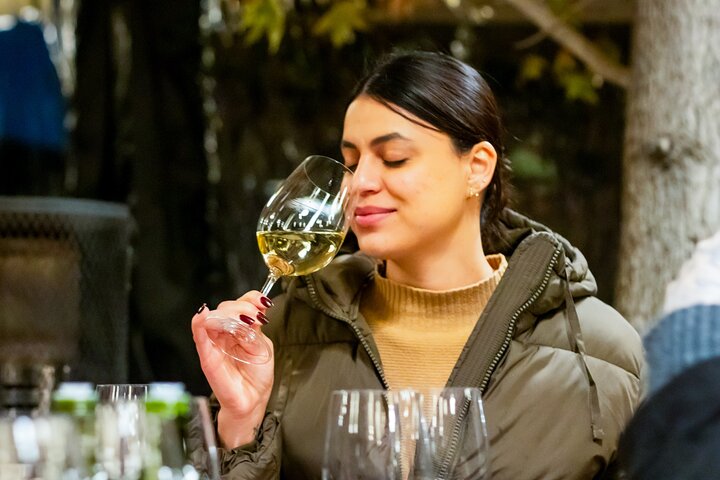
The grape harvest takes place in late summer and early autumn, usually from around March to April, which makes it a wonderful time for wine tours, with busy cellars and golden vines. Temperatures are mild, skies are often clear and the poplars and plane trees turn yellow. It is one of the most pleasant times for walking, and crowds are thinner than in summer. By May, mornings turn cold and the first rains arrive.
Winter (June to August): cool days, snow and some smog
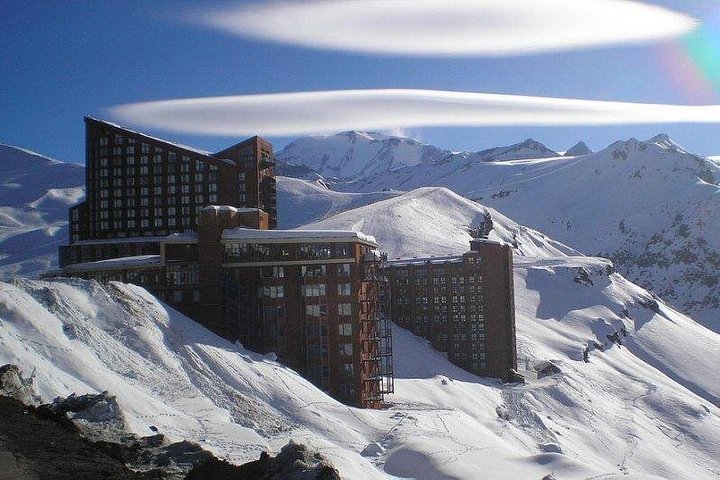
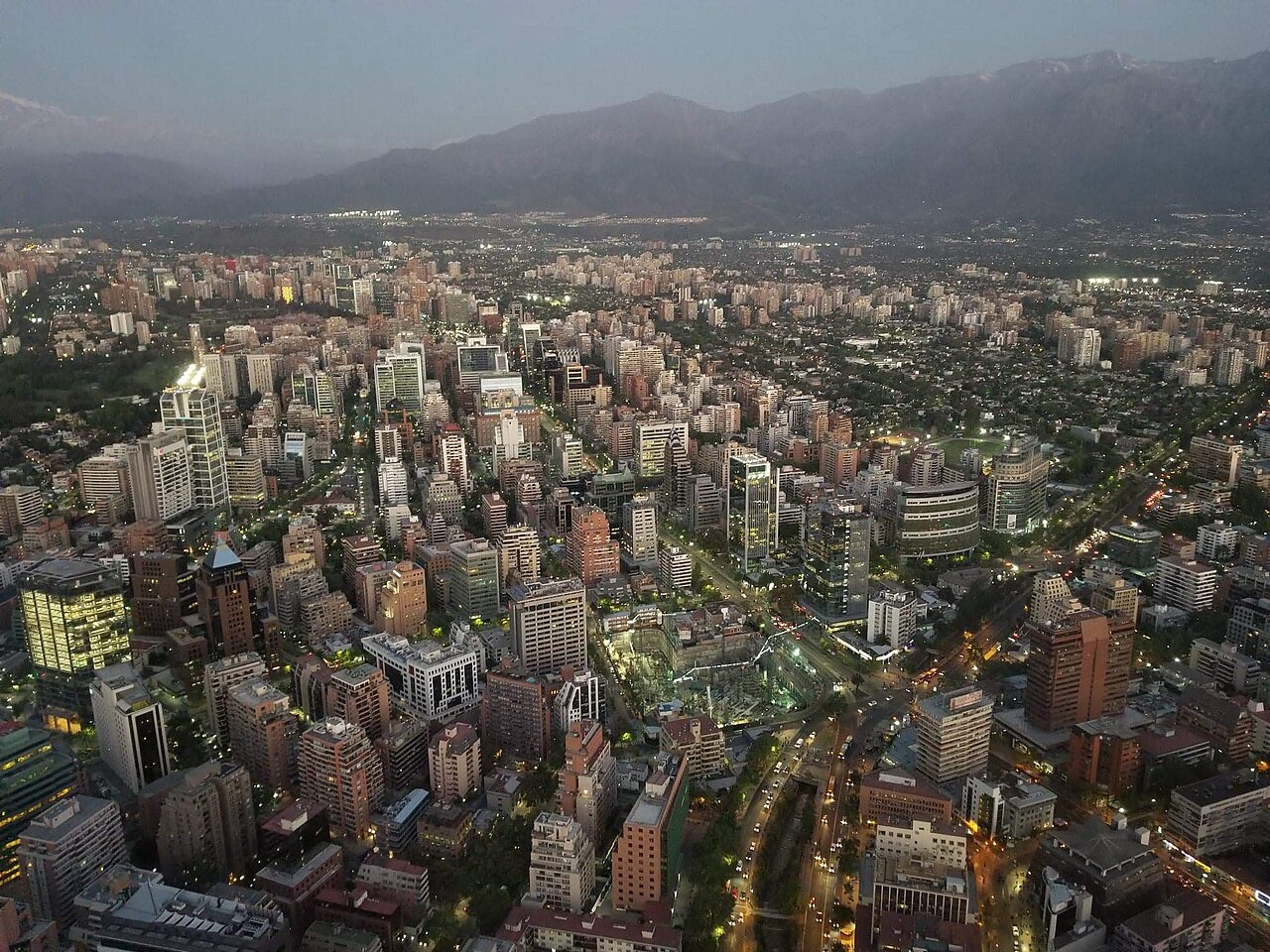
Mornings can be near freezing, and daytime temperatures are cool. Rain falls mainly in winter, and between storms the days can be sharp and beautiful, with snow on the peaks. Cold, still weather can trap pollution over the basin, so on some days the Andes disappear in haze, which is a disappointment for viewpoints. The upside is skiing, with Farellones and Valle Nevado within a couple of hours, and the winter school holidays in July bring crowds to the slopes. Museums and restaurants are warm and welcoming, and prices for some hotels are lower.
Picking the clearest days
Whatever the season, the best views of the Andes come soon after rain, when the air has been washed. If you are flexible, check the forecast and move your viewpoint visits, such as Sky Costanera and Cerro San Cristóbal, to the clearest day. In summer, mornings tend to be sharper than afternoons.
Closures and crowds
Many museums and the cable car close on Mondays, whatever the season. Public holidays in September, around Christmas and at New Year can affect opening hours, and the long weekends fill the roads to the coast and the mountains. Wineries are open all year but are busiest at weekends and during the harvest, so book tours ahead.
The short answer
For most visitors, October, November, March and April offer the best balance of weather, views and fewer crowds. Choose July for skiing, February for the Andes and the coast, and March for the wine harvest.
Packing by season
In summer, bring light clothing, a hat, sunglasses and strong sun cream, plus a layer for the evening. In spring and autumn, pack for variable weather with a light jacket and an umbrella. In winter, bring warm layers, a waterproof coat and, for skiing, warm gloves. The city’s dry air can be hard on skin and throats, so a moisturiser and a refillable water bottle are useful in every season. Shoes with good grip help on the steep steps of Cerro Santa Lucía and Valparaíso, and a small daypack makes it easy to carry layers as the temperature changes through the day.