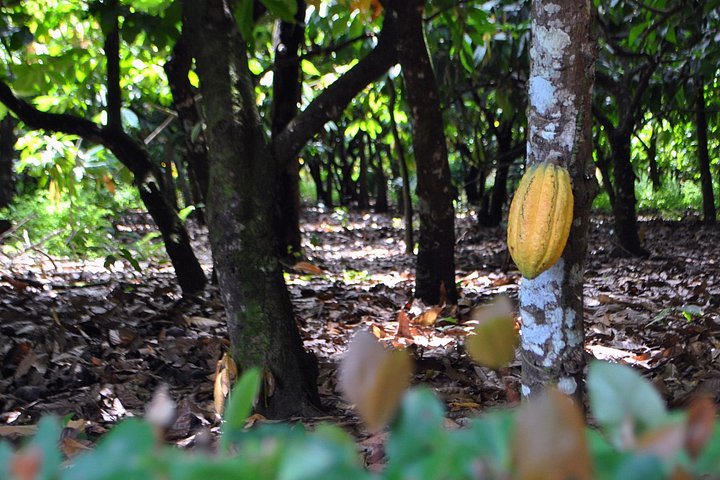
The Dominican Republic is one of the world’s leading producers of organic cacao, and a trip to a cacao farm is an easy way to see how a tropical crop becomes chocolate. The tour we link leaves from Santo Domingo and follows a cacao trail into the countryside, where a guide walks you past the trees, explains how the pods grow on the trunk, and opens a ripe pod to show the white, sweet pulp around the beans. You can taste the pulp, which is nothing like chocolate, and learn why fermentation and drying are so important to flavor. The second half of the experience is hands-on. You help to roast, grind and shape the beans into chocolate, working with traditional tools in a small kitchen or workshop. The result is rich, slightly gritty and strongly aromatic, and you taste it warm or as a drink, the way Dominican families often have it. Guides usually add context about the farms, the cooperatives that buy and export cacao and the Taíno and colonial history of the crop. Check the itinerary for the pickup, the length of the day and whether lunch or other activities are included.
How to visit
The trail lies outside the city, so the tour includes transport and the day can be long. Confirm the pickup point, the return time and what is included. Wear lightweight clothes, closed shoes for muddy paths and insect repellent, and bring sunscreen, a hat and a little cash for treats.
What to expect
The countryside can be hot and humid, with sudden rain, and paths can be uneven. The pace is easy, and the activities are hands-on but not strenuous. If you have food allergies, notify the operator in advance, since chocolate-making areas often handle nuts and dairy.
Making the most of it
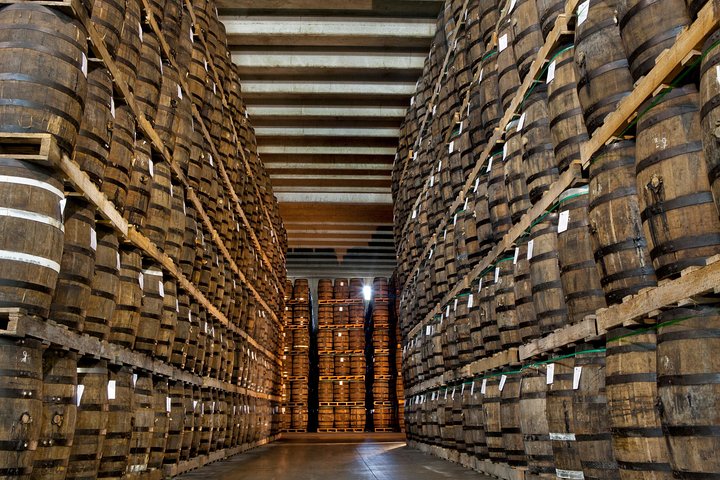
Schedule the tour for a day when you want to leave the city. Buy chocolate and cacao nibs as gifts, and ask the guides which products come from the farm or cooperative. Pair it with the Ron Barceló visit or a coffee tasting for a full day of Dominican flavors.
Context worth knowing
Cacao is native to the Americas, and the Dominican Republic is among the leading exporters of organic cacao in the world. Pods grow in many colors, from green and yellow to red and purple, and each contains a cluster of beans wrapped in sweet white pulp. After harvest the beans are fermented and dried, a step that develops the chocolate flavor, then roasted, cracked and ground.
On the tour you may notice how labor intensive the process is, which helps explain why quality chocolate costs what it does. Look for products that name the origin and the producers, and consider buying directly from the farm or cooperative so that more of the money stays local.
Practical notes
Ask what the tour includes, such as transport, snacks, lunch and tastings, and confirm the pickup location. Bring a change of clothes if you expect to get messy, and a bag for any chocolate you buy. Carry insect repellent and apply sunscreen before you go, as the countryside offers little shade in places. If you have a nut or dairy allergy, say so well in advance. Finally, bring cash for the farm shop, where small bars and bags of nibs make easy gifts.
What to expect
The experience
A guided day trip to a cacao farm with a walk among the trees and hands-on chocolate making.
Best time
Morning departures, before the countryside heats up.
How long
Several hours including transport; confirm the length of the departure.
Tips
Wear closed shoes and insect repellent, and tell the operator about food allergies.
Quick picks
- Best for
- Families and food lovers who want a hands-on countryside outing.
- Families
- A good fit for children who enjoy getting their hands messy.
- Couples
- A sweet, relaxed day out of the city.
- Pair with
- A rum tour or a cooking class.
- Time needed
- Half to a full day.
Good questions
What will I do on the tour?+
You walk a cacao farm, learn how the beans are grown and processed and make chocolate by hand.
Is it suitable for children?+
Yes, most children enjoy the hands-on part. Ask about age limits and the length of the day.
Is lunch included?+
It depends on the departure, so confirm the inclusions when you book.
What should I wear?+
Light clothing, closed shoes, repellent and sun protection.
Can I buy chocolate?+
Farms and cooperatives usually sell chocolate and cacao products you can take home.