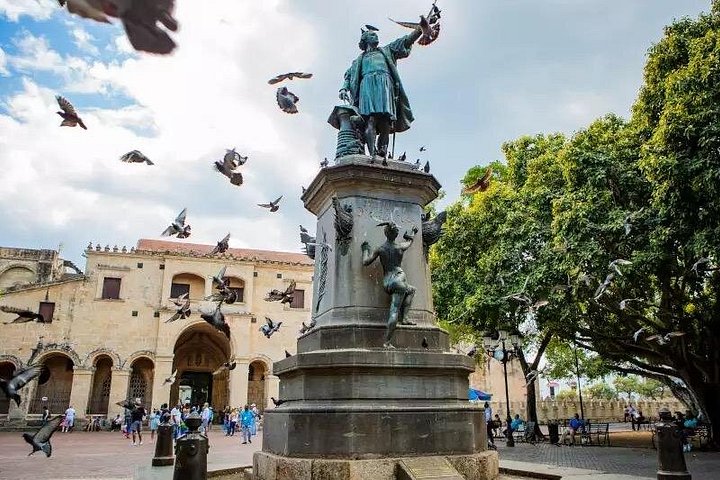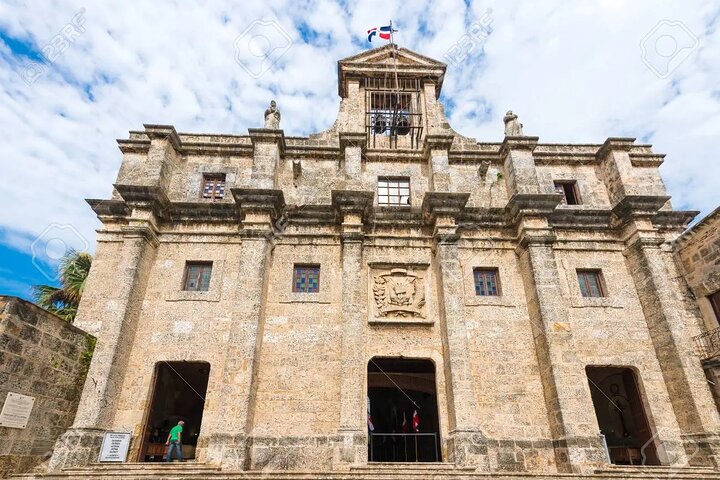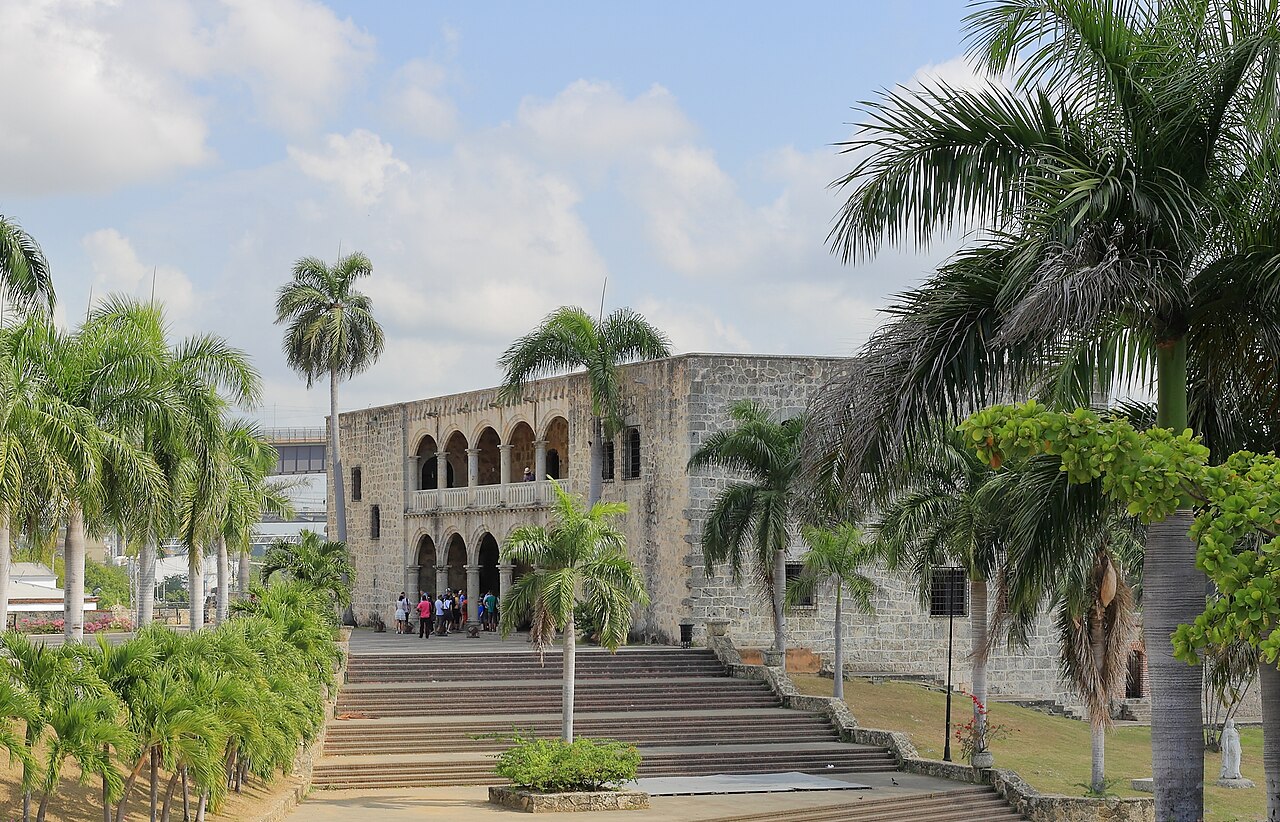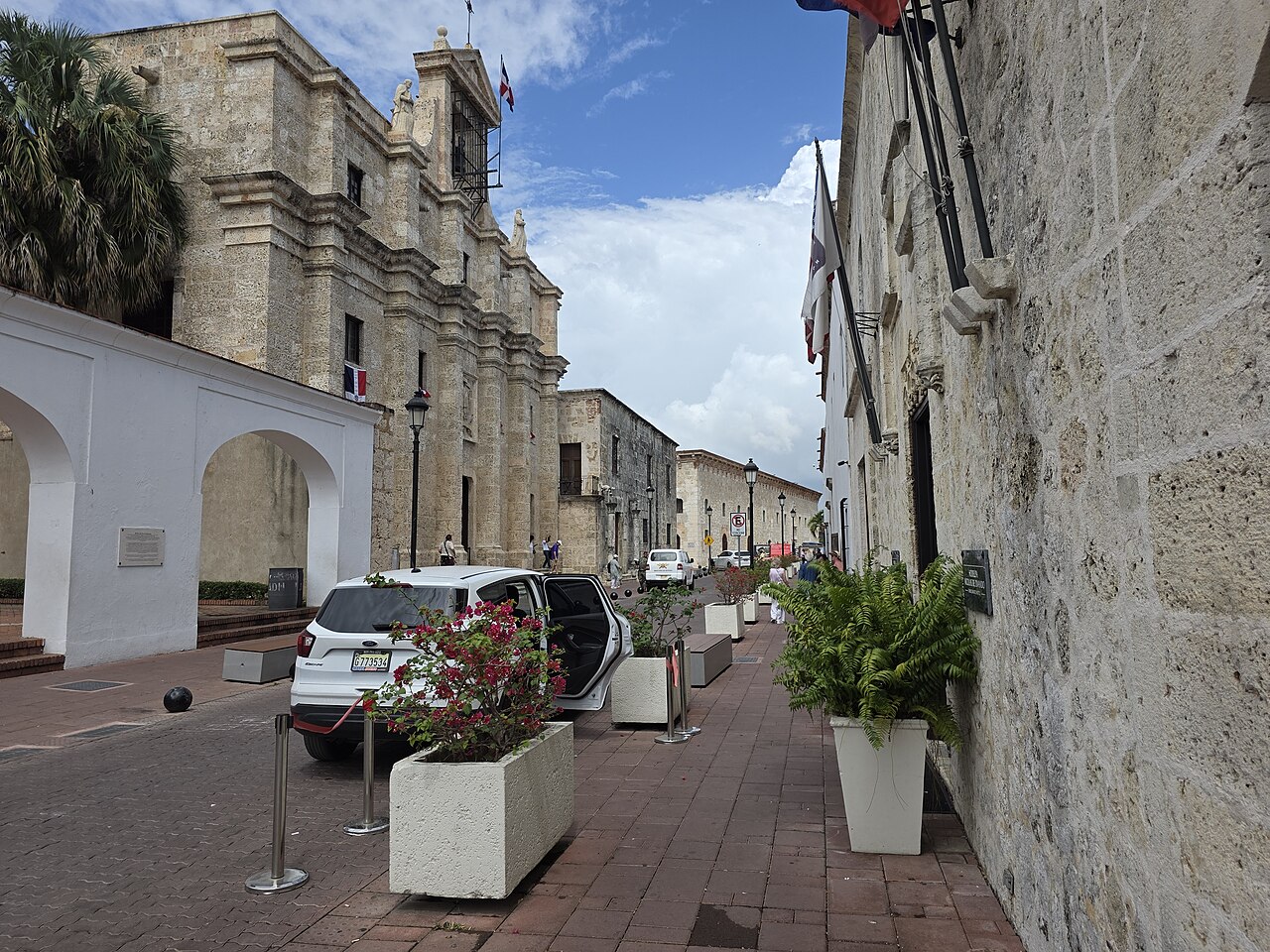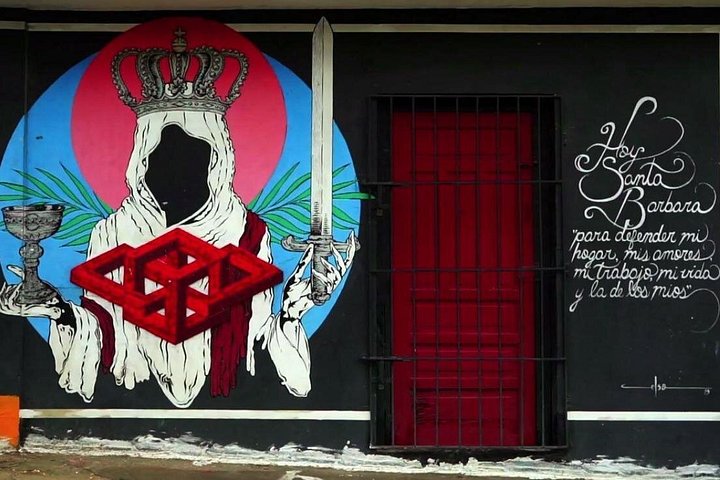
The story of colonial Santo Domingo is not only one of palaces and cathedrals. From the early 1500s the city was also a center of the transatlantic slave trade in the Americas, and the forced labor of enslaved Africans built many of the buildings visitors admire today. The tour we link looks at that history directly, tracing the African presence in the capital, the sugar mills that drove the colonial economy and the movements of resistance that followed. It is a serious and thought-provoking way to see the old town. A guide leads you through parts of the Colonial Zone and connects sites to the stories of the people who lived and worked there, from the earliest arrivals to maroon communities and the cultural traditions that endured. You hear how African influences shaped Dominican music, religion, food and language, and why that legacy is sometimes overlooked in popular images of the island. The tone is reflective, and there is room for questions. Check the itinerary when you book, since routes and stops vary, and allow time to absorb what you have heard.
How to visit
Confirm the meeting point, the length and whether the tour is on foot or includes a vehicle. Wear comfortable shoes and sun protection, and carry water. The subject is heavy, so treat the visit with respect and give yourself time afterward to reflect.
What to expect
The tour is educational rather than light entertainment, and guides generally welcome questions. Some sites may be commemorative or simply streets and ruins that gain meaning through the story. Be mindful when taking photos and follow the guide’s advice.
Making the most of it
Schedule the tour early in your visit so that the history informs the rest of what you see. It pairs well with an Afro-Taíno cooking class or a neighborhood tour that explores living traditions. For travelers who want a deeper reading of the colonial era, it complements a standard Colonial Zone walk by adding perspectives that are often missing.
Context worth knowing
The island of Hispaniola was one of the first places where enslaved Africans were brought to the Americas, and their descendants shaped the language, music, religion and cuisine of the Dominican Republic. Understanding this history gives new meaning to places that otherwise look purely Spanish, from sugar estates to churches and plazas. The tour is a reminder that colonial grandeur rested on forced labor, and that resistance, from escape to rebellion, was part of the story from the beginning.
Take time to ask questions and to read the markers you pass. If you wish to continue learning, look for museums, books and community organizations that preserve Afro-Dominican heritage, and consider following the tour with a meal that celebrates those traditions.
Practical notes
Dress modestly and comfortably, with shoes suitable for walking on cobbles and uneven ground. Bring water and sun protection, and allow a quiet moment afterward to reflect. If you are traveling with teenagers, prepare them beforehand with a brief explanation of the history, and encourage their questions. Ask the guide for reading suggestions and for local museums or cultural centers that continue the story, and consider supporting Afro-Dominican artists, musicians and restaurants during your stay.
What to expect
The experience
A guided tour exploring the history of slavery, resistance and African heritage in colonial Santo Domingo.
Best time
Morning, when it is cooler and quieter.
How long
About three hours; confirm the length of the departure.
Tips
Come with an open mind, ask questions and allow time afterward to reflect.
Quick picks
- Best for
- Travelers who want a deeper, more complete view of colonial history.
- Families
- Best for teens and adults; the subject matter is serious.
- Couples
- A thoughtful experience to share and discuss afterward.
- Pair with
- An Afro-Taíno cooking class or a neighborhood tour.
- Time needed
- Half a day.
Good questions
What does the tour cover?+
It explores the African presence in Santo Domingo, the history of slavery and the cultural legacy that endures in the city today.
Is it suitable for children?+
The subject is serious, so it is best for teens and adults.
Is it on foot?+
Check the itinerary; many city history tours are on foot with some transport.
How does it differ from the standard Colonial Zone tour?+
It focuses on the experience of enslaved Africans and their descendants rather than on the Spanish elite.
What should I wear?+
Comfortable shoes, sun protection and modest clothing for churches.