Santo Domingo is warm all year, so there is no bad season for the Colonial Zone, only seasons that suit different priorities. The main distinction is between the drier, slightly cooler months and the hotter, wetter ones. Here is how to plan.
December to April: the dry season
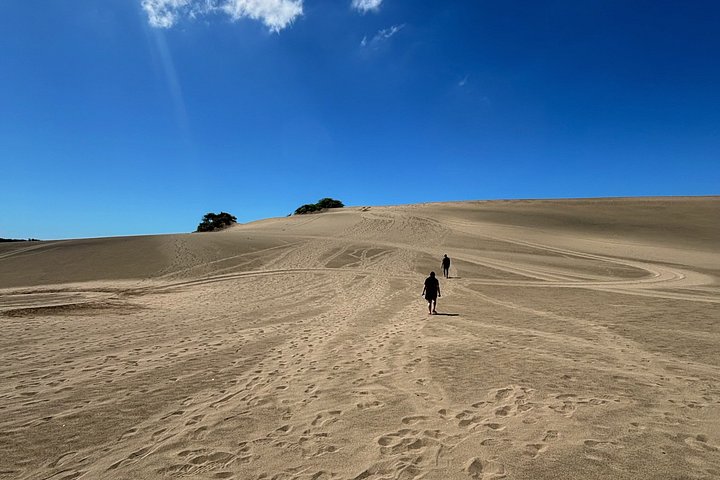
This is the most comfortable time to visit. Days are warm but less humid, with lower chances of rain, and evenings can feel pleasantly mild. Sightseeing on foot in the Colonial Zone is at its best, and outdoor activities such as the Baní dunes, bike tours and the Malecón are especially enjoyable. It is also the busiest tourist period, so book hotels and popular tours early, particularly around holidays.
May to June: the shoulder months
Temperatures rise and humidity builds, with more frequent afternoon showers. Crowds are smaller, and prices can be lower. Mornings are still pleasant for walking, and you can use the hot afternoons for museums, long lunches and rest.
July to October: hot, humid and wetter
These months are the hottest and most humid, with frequent heavy showers, often in the afternoon. Mornings are usually the best time for outdoor sightseeing. This period also falls within the Atlantic hurricane season, which runs from June to November, with the highest risk in late summer and early autumn. Travel insurance and flexible bookings are wise, and it pays to follow weather forecasts before and during your trip. Many travelers still visit in these months and find fewer crowds, but be prepared for heat and rain.
November: the transition
The weather begins to ease as the dry season approaches, though showers can still occur. It is often a good compromise, with warm days, fewer crowds than the peak and the lingering end of the hurricane season.
Festivals and events
Carnival in February is a highlight in the Dominican Republic, with parades, masks and music in cities across the country, including the capital. Merengue is celebrated at a festival held along the Malecón in summer, with concerts and dancing. Holy Week is a major holiday period, when many Dominicans travel and some businesses close. Christmas is long and festive. Check dates locally, since events change from year to year, and book accommodation early for holiday periods.
Crowds and prices
Peak season, from December to April, brings the highest hotel rates and the most visitors, particularly in the Colonial Zone and on the popular tours. The summer months offer lower prices and shorter queues. Cruise ships can add crowds at the main sights on port days, so start early to stay ahead of them.
What it means for sightseeing
In the dry season you can comfortably walk the old town for most of the day, though a midday break is still wise. In the wetter months, start early, carry a light rain jacket and plan indoor stops such as museums, cafés and the 4D shows for the afternoon. The caves at Los Tres Ojos are cool year-round, but steps can be slippery after rain.
Day trips and beaches
Sea conditions and visibility are usually best in the drier months, and long drives are easier without heavy rain. If you plan a remote beach trip, check the forecast and sea conditions, as boat crossings depend on the weather.
Our recommendation
For the most comfortable first visit, go between December and April. If you prefer fewer crowds and do not mind heat and showers, May and June or November are good choices. Whenever you go, start early, drink plenty of water, wear sun protection and pace yourself in the heat.
Packing by season
In the dry season, bring light clothing for the day and a thin layer for cooler evenings or air-conditioned rooms. In the wetter months, add a rain jacket, quick-drying clothes and a waterproof bag for electronics. Sun protection is essential year-round, and insect repellent helps near the coast and in the countryside. Comfortable shoes with grip suit the cobbles in any season, and a refillable water bottle saves money and plastic. Keep travel documents and a small first-aid kit in your day bag.
Health and comfort
Heat and humidity can catch visitors out, so drink water regularly, take breaks in the shade and wear a hat. If you are prone to sunburn, apply sunscreen again after sweating. Tropical downpours are usually short, and a café stop is a pleasant way to wait one out.