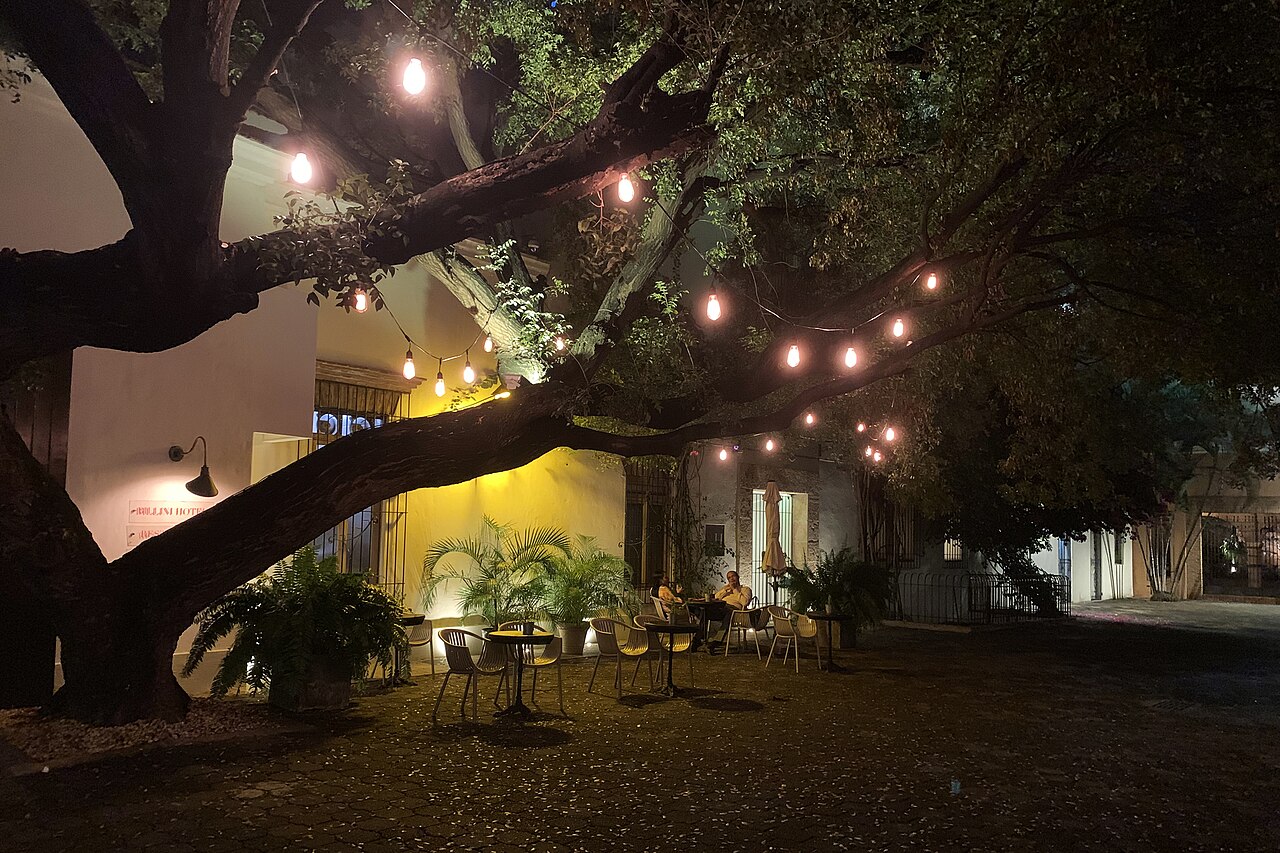
Dominican cooking is comfort food with deep roots. Taíno ingredients such as cassava and corn, African techniques and staples such as plantains and rice, and Spanish additions such as pork and spices all meet on the same plate. In Santo Domingo you can eat well at every price, from a snack on the street to a long dinner in a restored colonial courtyard. Here is what to look for.
La bandera
The classic everyday meal is called la bandera, the flag. It is a plate of white rice, stewed red beans and a meat such as chicken, beef or pork, often with a side of salad and fried green plantains. It is hearty, cheap and found everywhere at lunchtime. Try it at a local comedor, a small eatery, where daily specials are chalked on a board.
Sancocho and other stews
Sancocho is a rich stew of several meats and root vegetables, often served on weekends and special occasions. Other slow-cooked dishes include chicken in a tomato sauce and goat in a spicy sauce. They are best eaten with rice and a squeeze of lime. If you want to learn how they are made, a hands-on cooking class is the best option.
Plantains, yuca and fried snacks
Plantains appear in many forms: tostones, which are twice-fried green slices; maduros, sweet and soft ripe plantains; and mangú, a mash of boiled plantains usually served for breakfast with onions, eggs, fried cheese and salami. Yuca, or cassava, is another staple, served boiled or fried. Street snacks include empanadas, called pastelitos in some places, yaniqueques, which are fried flatbreads, and chicharrón. Try them fresh from a stall or a colmado.
Seafood and the coast
The capital is on the Caribbean, and seafood is excellent. Look for fried fish, shrimp in garlic or coconut sauce and conch, often served with tostones. Seafront restaurants along the Malecón offer views to match.
Colmados
The colmado is a neighborhood institution: a small shop that sells groceries, drinks and snacks, and often doubles as a bar with music and dominoes outside. Stopping at a colmado for a cold Presidente beer is a good way to feel local life. A neighborhood tour will often stop at one.
Coffee and chocolate
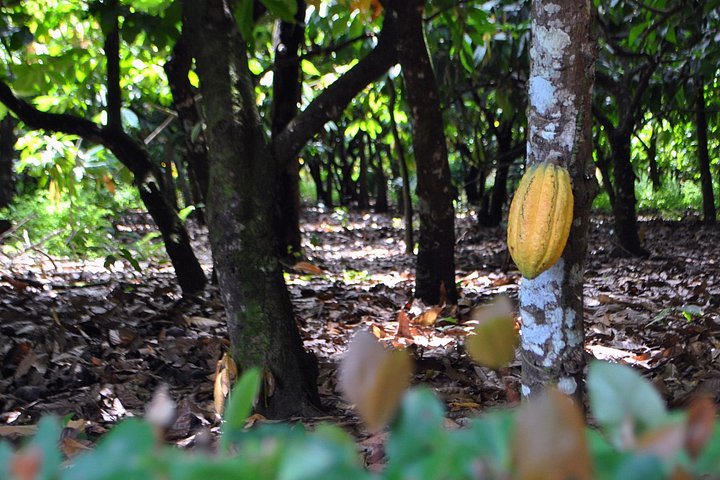
The Dominican Republic grows good coffee, and specialty cafés in the Colonial Zone serve it in several styles. Strong, sweet cups are common in local places. Cacao is also a local crop, and a countryside tour that includes a cacao farm lets you see the beans, taste the pulp and make chocolate by hand. Hot chocolate and cacao-based sweets make good souvenirs.
Rum, beer and cocktails
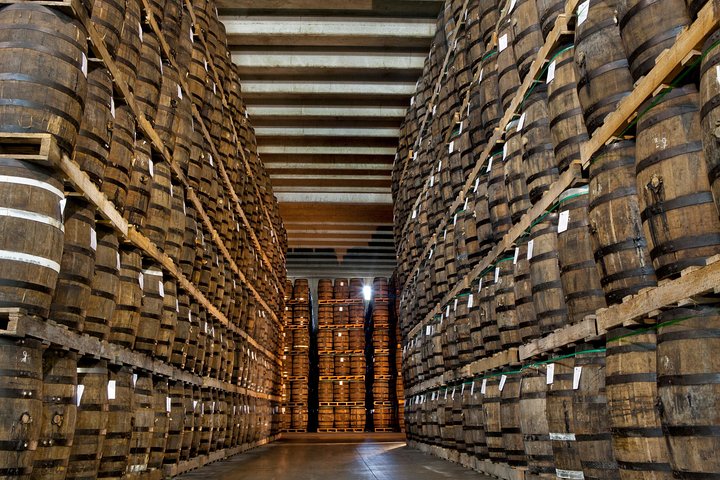
Dominican rum is respected worldwide. Brands such as Barceló, Brugal and Bermúdez are everywhere, and aged expressions are meant to be sipped neat or with ice. A factory tour with a tasting shows you how the spirit is made. Presidente is the national beer, usually served very cold, and craft beer has been growing in the capital. Fresh juices, from passion fruit and tamarind to sugarcane, are widely available and refreshing in the heat.
Tours and classes worth considering
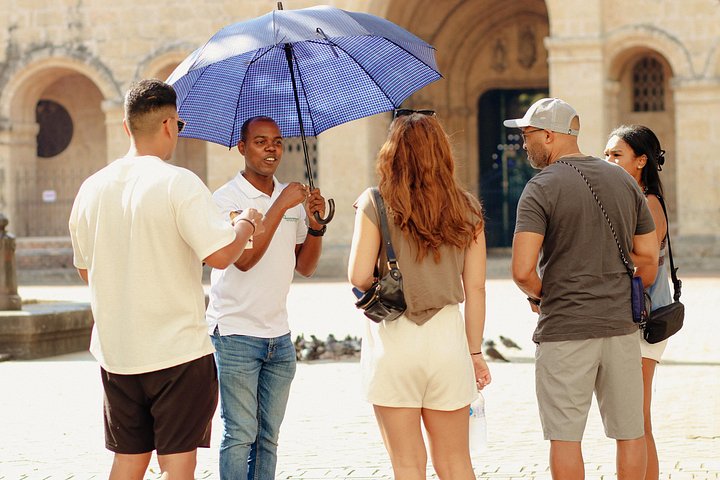
A beer and specialty coffee walking tour in the Colonial Zone is an easy introduction. A neighborhood food tour takes you to markets and corner shops. A hands-on Afro-Taíno cooking class gives you recipes and a deeper understanding. A rum factory visit adds a tasting. Book ahead, mention dietary needs and arrive hungry.
Eating well and safely
Choose busy places with a high turnover, drink bottled or filtered water, and wash or peel fresh fruit. Tell restaurants about allergies. Service charges are often added to the bill, and a little extra for good service is appreciated. Lunch is the main meal for many locals, and dinner starts late, so plan accordingly.
Breakfast and sweets
Start the day with mangú, or with eggs and fresh fruit, and try pastelitos with a strong cup of coffee. For something sweet, look for habichuelas con dulce, a creamy dessert of sweet beans, which is a seasonal tradition around Lent, and for flan, coconut candies and tres leches cake. Fresh sugarcane juice and coconut water are cheap and cooling on a hot afternoon, and a morir soñando, an orange and milk drink, is a Dominican favorite.