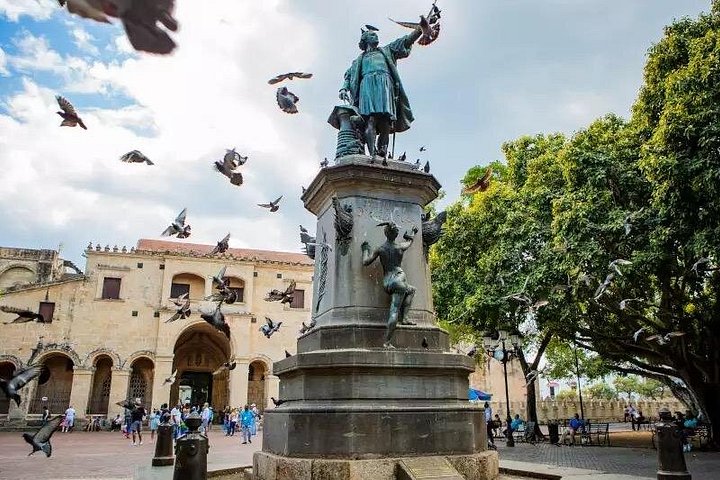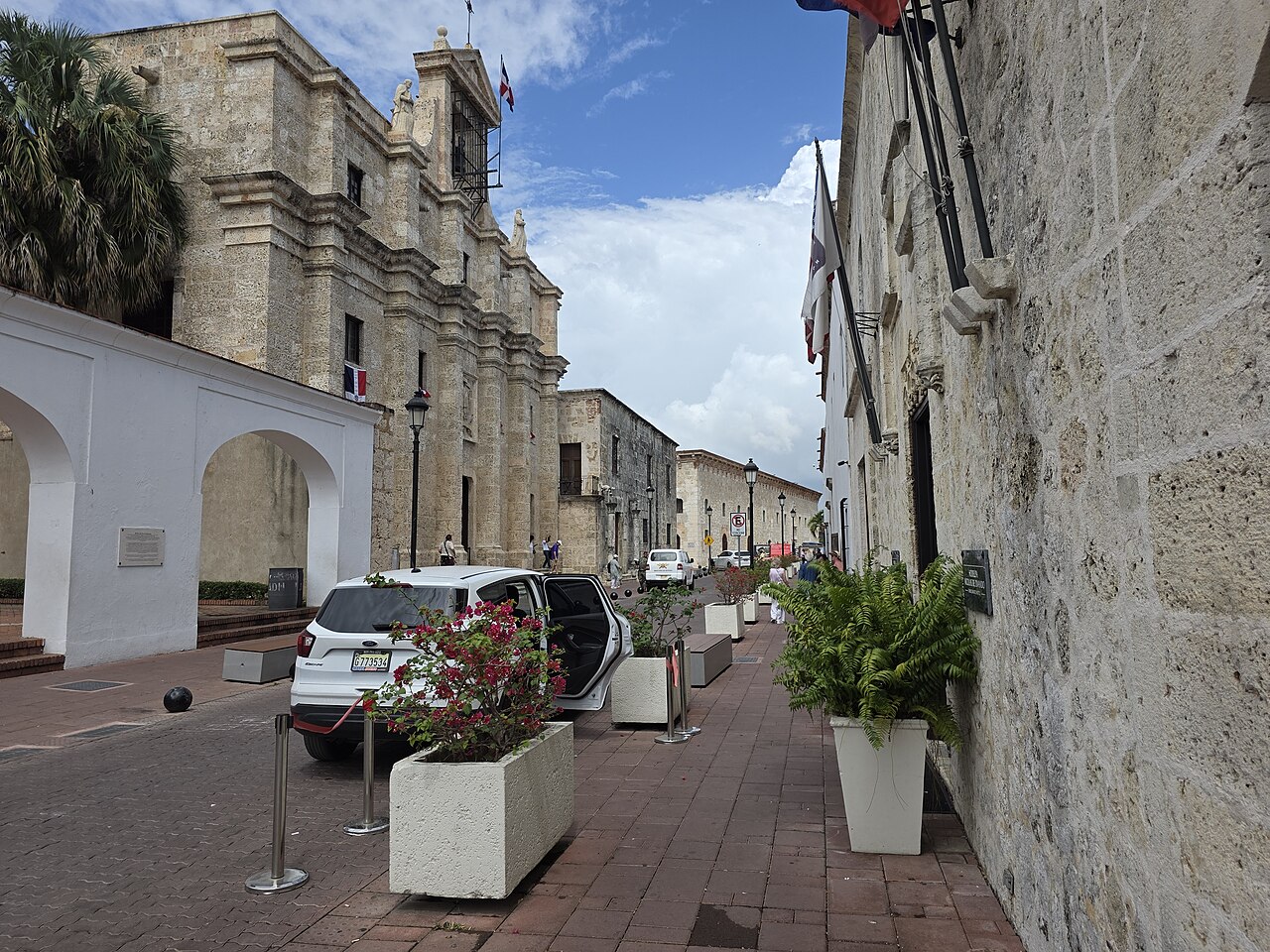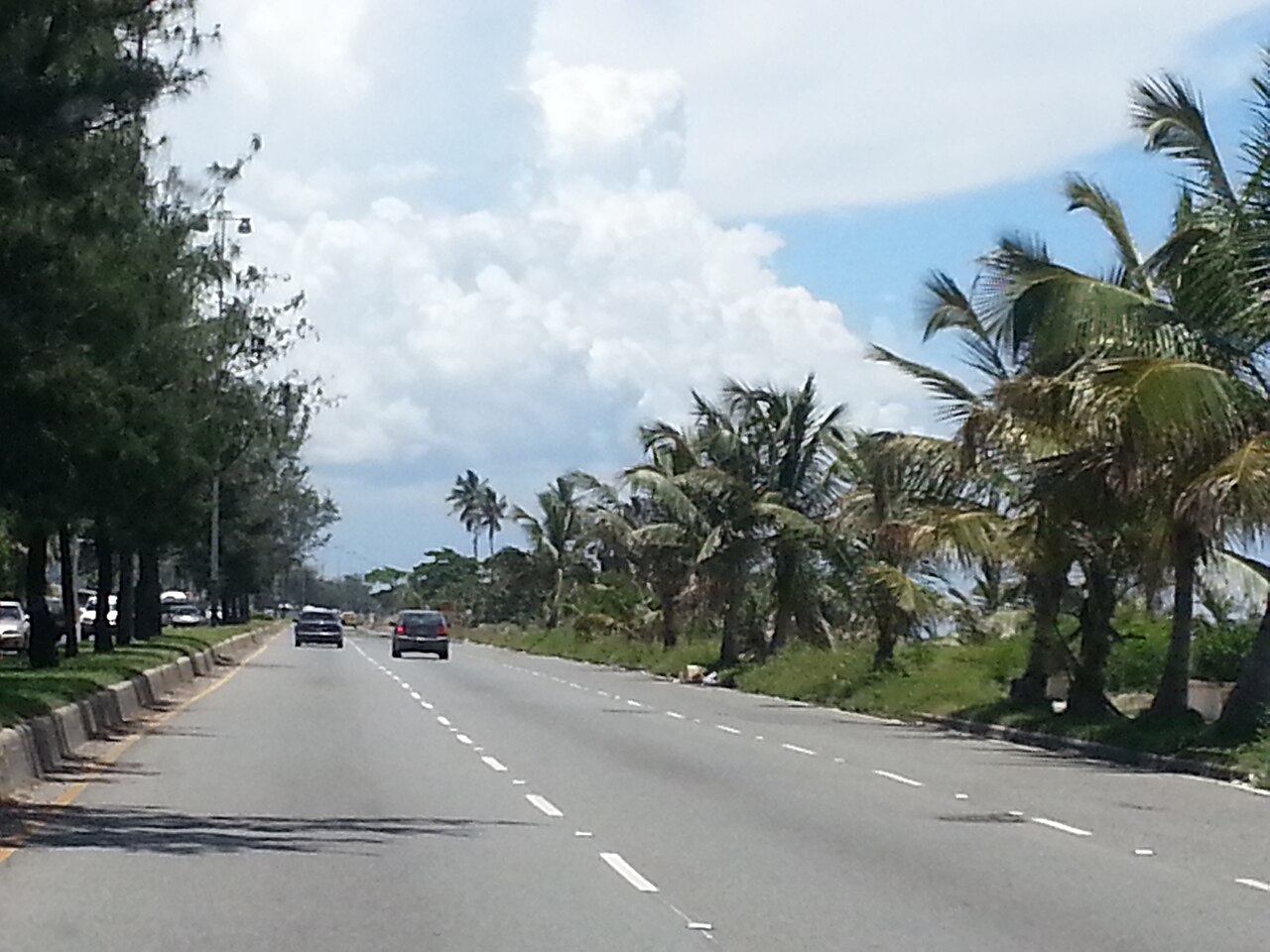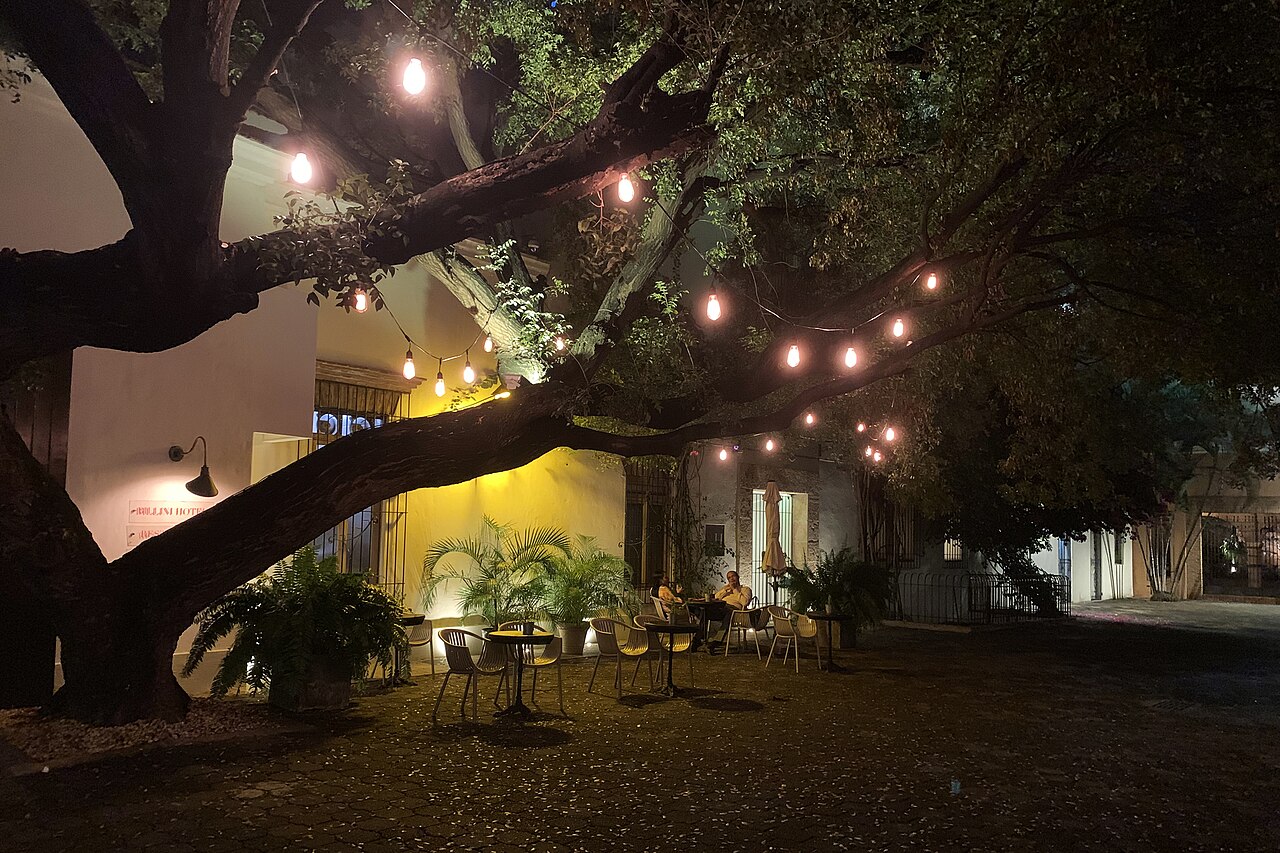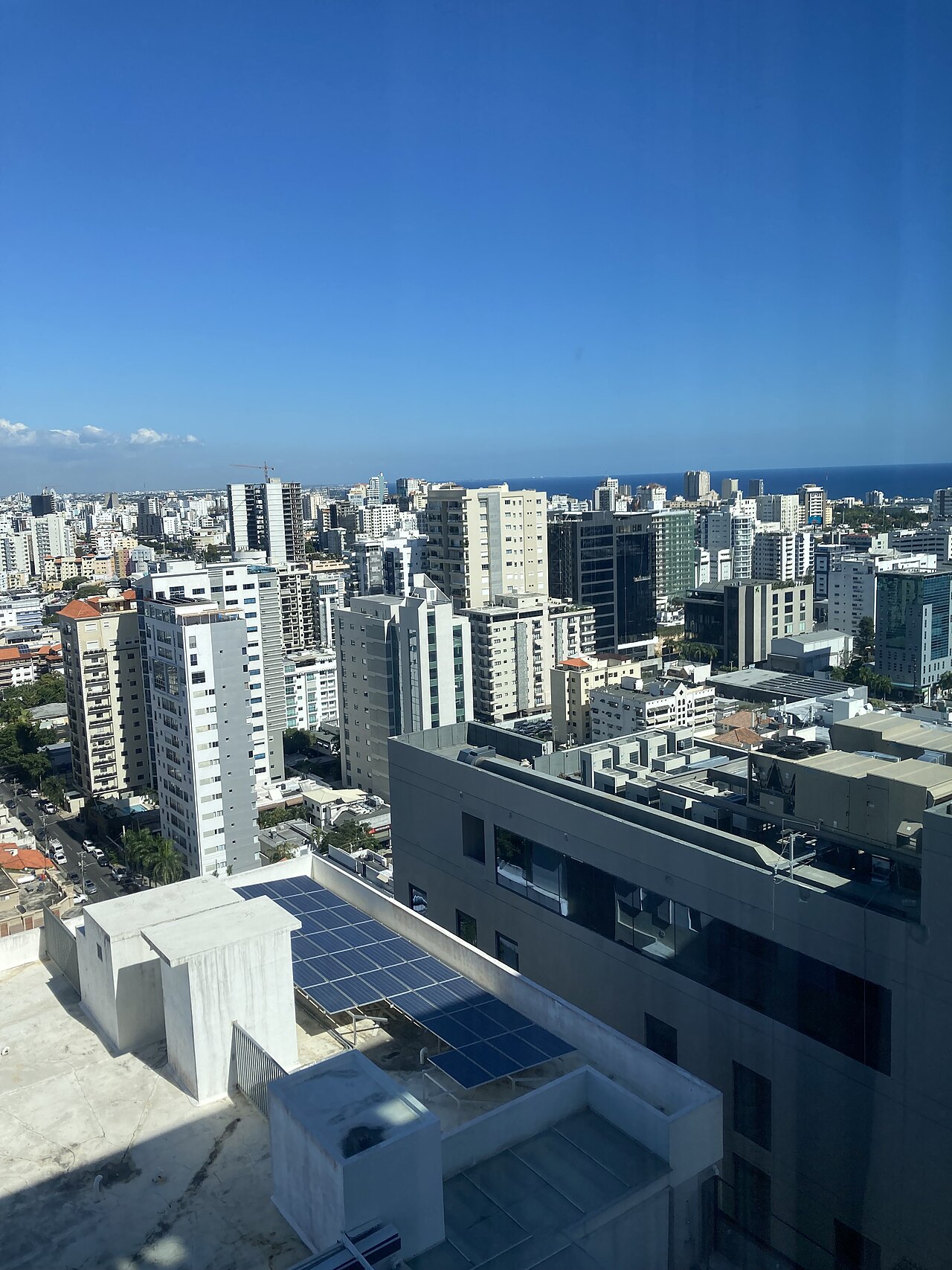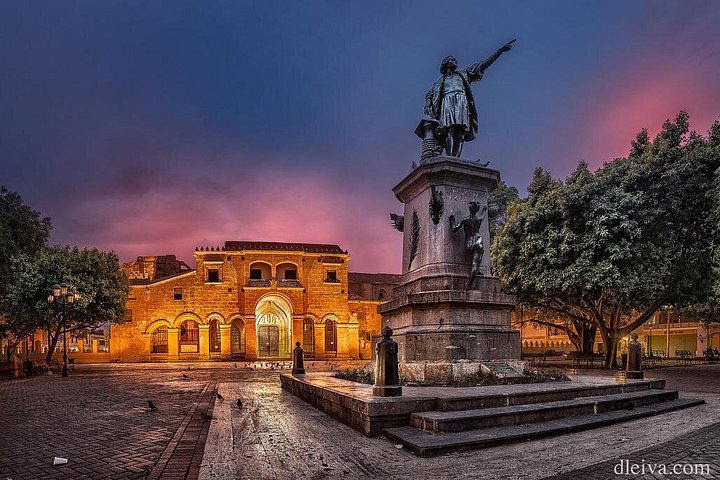
Santo Domingo is the oldest European city in the Americas, and it is also a big, busy modern capital with nearly three million people. The first thing to understand is that these are two different experiences. The Colonial Zone is a compact, walkable, UNESCO-listed old town where you can see the first cathedral, the first paved street and the first fortress of the New World. The rest of the city is a sprawl of avenues, shopping centers, neighborhoods and a long seafront boulevard. Most first-time visitors spend the majority of their time in the old town and use taxis or tours for everything else.
How many days
Two full days are enough for the essentials: one for the Colonial Zone and one for the wider city, including Los Tres Ojos and the Columbus Lighthouse. Three days gives you time for a food or neighborhood experience and a relaxed evening on the Malecón. With four or five days, add a day trip to the Baní dunes or the countryside, or a stretch of beach time on the coast. If you are flying in for a stopover, a single guided half-day is better than nothing, but it will feel rushed.
What to book ahead
Guided experiences sell out less often than in Europe, but small-group food tours, cooking classes and the neighborhood visits are limited by group size, so book a few days ahead in busy seasons. A guided walk of the Colonial Zone is the best way to open your visit, because the plaques are mostly in Spanish and the stories behind the stones are what bring them to life. Day trips such as the dunes or a remote beach need more planning, since distances are long.
Getting around
In the Colonial Zone, walk. The streets are short, flat and full of things to see, and cars are more trouble than they are worth. For trips outside the old town, use taxis arranged by your hotel, reputable ride services or the transport included in a tour. Traffic in the capital can be heavy, particularly at rush hour, so allow generous time for transfers and avoid squeezing tight connections. The airport is some distance from the city, and a pre-arranged transfer is easier on arrival than negotiating at the curb.
What to wear and bring
The climate is hot and humid, so pack light, breathable clothing, a hat, sunscreen and comfortable shoes with good grip for cobbles. Cover shoulders and knees for churches, and bring a light layer for air-conditioned interiors. A small bottle of water is always useful. In summer, afternoon showers are common, so a thin rain jacket helps.
Money and tipping
The local currency is the Dominican peso, and cards are widely accepted in hotels, restaurants and larger shops, though cash is useful for taxis, small cafés and tips. Restaurants often add a service charge, and many travelers add a little extra for good service. Agree taxi fares before you set off or use a metered or app-based service.
Staying safe and respectful
Santo Domingo is a lively, friendly city, and the Colonial Zone is generally busy with visitors and police. As in any large capital, use ordinary precautions: keep phones and wallets out of sight, avoid quiet streets late at night, use licensed taxis and check current travel advice before you go. Ask before photographing people, and treat churches and memorials with respect.
A simple first-timer plan
Start your first morning with a guided walk of the Colonial Zone, taking in the cathedral on Parque Colón, Calle Las Damas, the Alcázar de Colón and the Fortaleza Ozama. Have a long lunch in a courtyard restaurant, rest during the hottest hours and walk Calle El Conde in the late afternoon. On day two, join a half-day tour to Los Tres Ojos and the Columbus Lighthouse, and finish with a sunset walk on the Malecón. Use any extra day for a food tour, a cooking class or a day trip to the dunes.
Language
Spanish is the language of the country, and English is common in hotels and tourist businesses. A few phrases go a long way, and people appreciate the effort. A friendly buenos días when you enter a shop or café sets the tone.