Sicily has one of the longest tourist seasons in Europe, but the island changes character from month to month, and picking the right time makes a bigger difference than most people expect. The short answer is that spring and autumn are best for most travellers, with summer reserved for beach lovers who can tolerate heat and crowds, and winter for those who prefer quiet, mild weather and a few closures. Here is the longer version.
Spring: the sweet spot
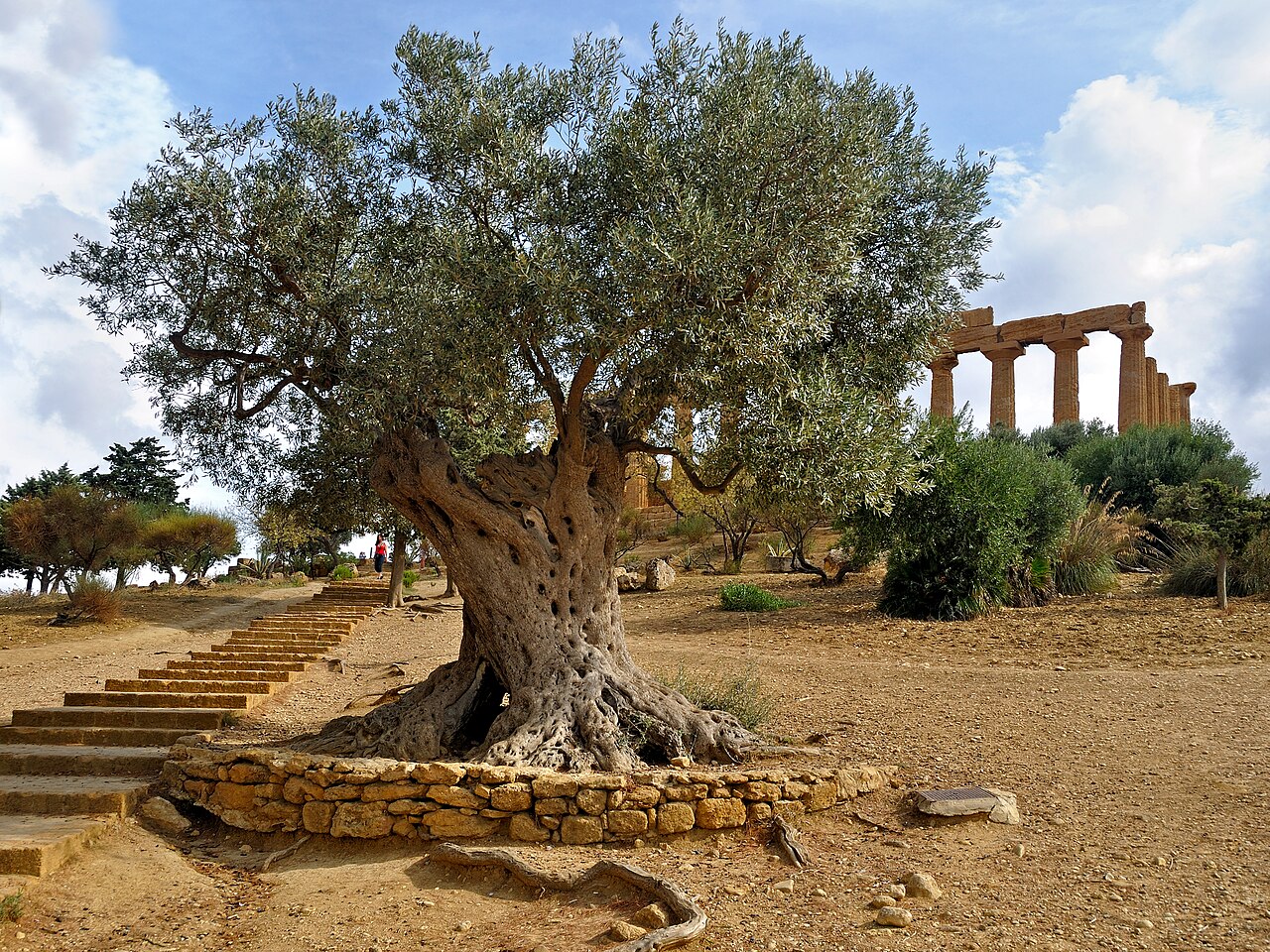
From around March to early June, the island is green, wildflowers cover the hills and the temperatures are comfortable for walking. Archaeological sites such as the Valley of the Temples, Segesta and the Villa Romana del Casale are at their most beautiful, with fresh grass among the stones, and queues are shorter than in summer. April and May are ideal for combining city sightseeing with hiking and Etna excursions, although higher ground can still be cool and showers are possible. Easter is a special time, with solemn processions in many towns, but it is also busy and hotels fill early.
Summer: hot, busy and made for the sea
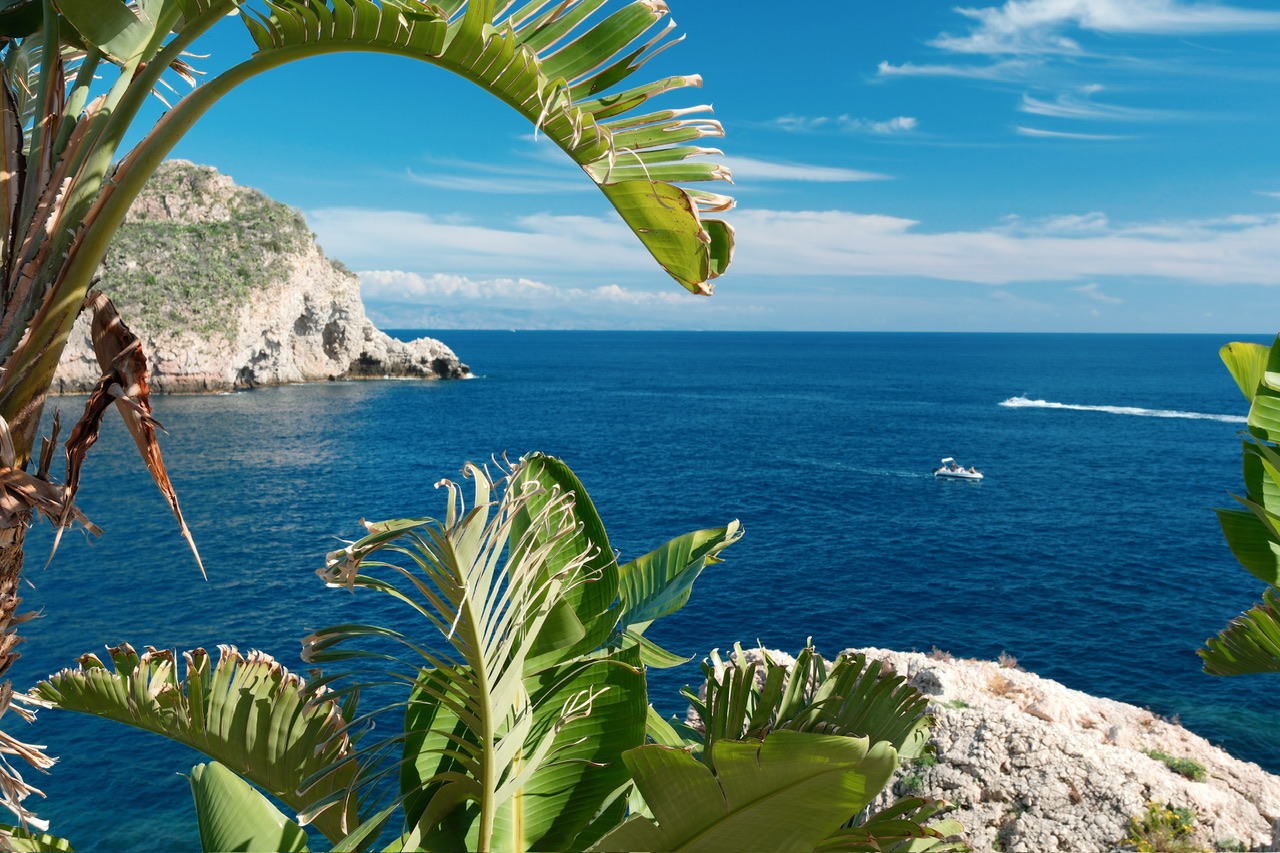
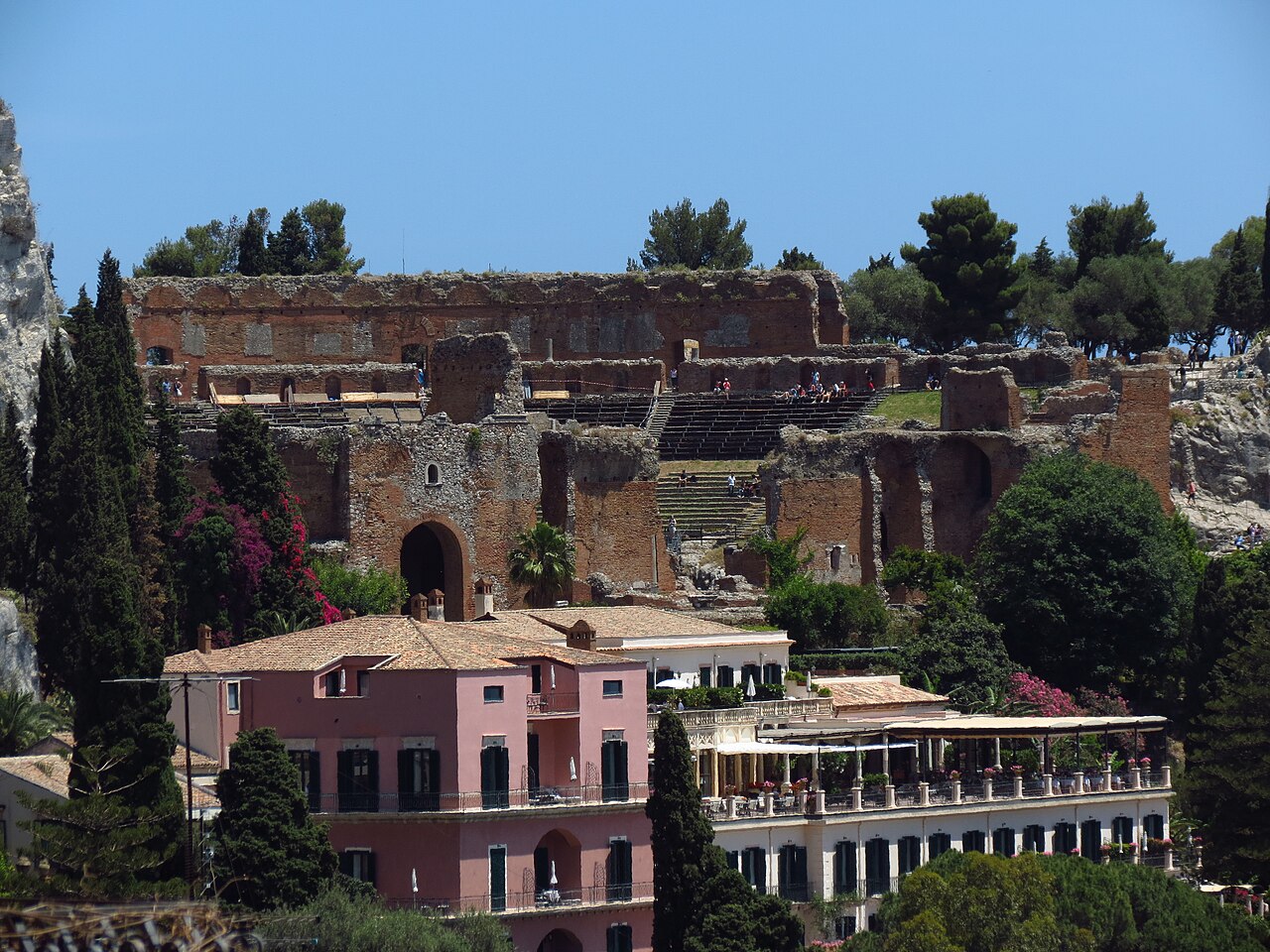
July and August bring long, hot, dry days, with temperatures often well above comfortable sightseeing levels in inland areas and cities. Beaches, boat trips and the Aeolian Islands are at their best, and the sea is warm. But the most popular places, including Taormina, Cefalù and Ortigia, are crowded, prices are high and many Italians take holidays, so the coast is packed in mid-August. If you visit in summer, start early, rest in the middle of the day, book the main sights ahead and plan evenings outdoors. Mount Etna is a cool escape, but even there the sun is strong.
Autumn: warm sea and fewer people
September and October are arguably the best months of all. The sea is still warm from the summer, the light is golden, the heat has eased and the crowds have thinned. It is also the season of the grape harvest on Etna and elsewhere, so wine tastings and food events are lively, and the cities feel relaxed. Rain becomes more likely later in the autumn, and storms can disrupt ferries and the Aeolian Islands, but a few wet days are a small price for the quieter atmosphere.
Winter: quiet, mild and uneven
From November to February, the coast is mild compared with northern Europe, and the cities are lively without the heat. Palermo, Catania and Syracuse are pleasant for museums, churches and food, and you will have major sights nearly to yourself. Citrus is in season, and the almond blossom in the Valley of the Temples in late winter is a celebrated sight. On the other hand, days are short, rain is frequent, some seaside hotels and restaurants close, ferry services are reduced and mountain roads can be affected by snow. Etna becomes a ski area, and the upper slopes can be closed in bad weather.
Festivals and events
Sicily has a rich calendar. Holy Week processions are among the most dramatic in Italy, and each town has patron saint festivals with fireworks, music and food, some of them very large. Carnival has its own traditions, and there are summer concert seasons in the ancient theatres of Taormina and Syracuse. Check local calendars when you plan, since events can both enrich a trip and fill hotels.
Choosing by interest
For cities and culture, go from March to May or from September to November. For beaches and islands, choose June to September, ideally the shoulders of that period. For hiking and Etna, late spring and early autumn are best. For food and wine, autumn is hard to beat. For budget travel, winter and early spring offer the lowest prices, though with limited hours in some places.
A few practical tips
Book hotels early for Easter and for August. Carry a light layer even in summer for evenings and air-conditioned churches. Remember that Etna's weather is unpredictable, so build a spare day into your plans. And bear in mind that the southern coast can feel hotter than the north, while the interior swings from hot afternoons to cool nights. Whenever you come, Sicily rewards a slower pace and a flexible schedule.
Crowds and prices by month
As a rough guide, the quietest and cheapest months are January and February, the busiest are July and August, and the best value is often May, early June and the second half of September. If you are flexible, aim for those shoulder weeks, when sights are open, the sea is pleasant or warming and rates have not peaked. Mid-August is the one week to avoid if you dislike crowds, because Italian holidays fill every beach and coastal hotel.