Sicily is an island, and its best moments often happen at the water's edge. The coast is a patchwork of limestone cliffs, black lava shores, golden beaches and sea stacks, and the water is clear enough to see the bottom in many bays. Yet many visitors spend a whole trip on land, on foot between churches and ruins. Adding a boat trip or a swimming stop changes the rhythm of a visit, cools you down in summer and shows the island from a new angle. This guide covers the best options by area.
Taormina and the Ionian coast
The most photographed bay on the east coast lies below Taormina, where the small island of Isola Bella sits in a protected cove joined to the shore by a pebble strip. Reach it by cable car from the town, bring water shoes for the stones and arrive early in summer. A two-hour boat tour from nearby harbours circles the island, slips past sea caves and gives time for a swim. It pairs well with the Greek Theatre, because you can spend the morning among ruins and the afternoon in the sea.
Syracuse and Ortigia
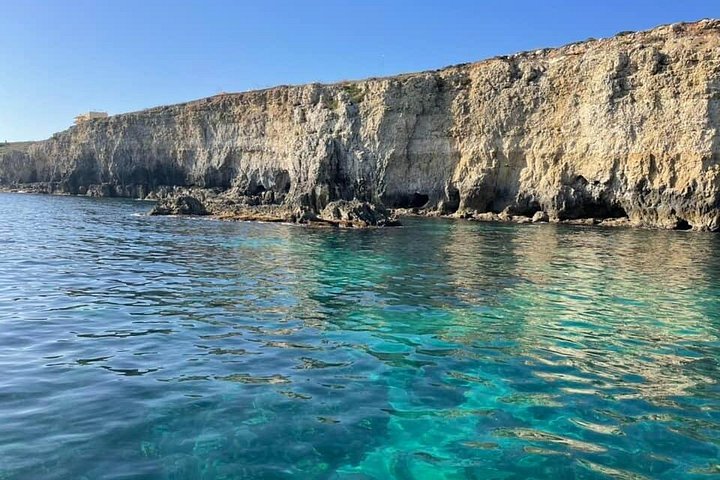
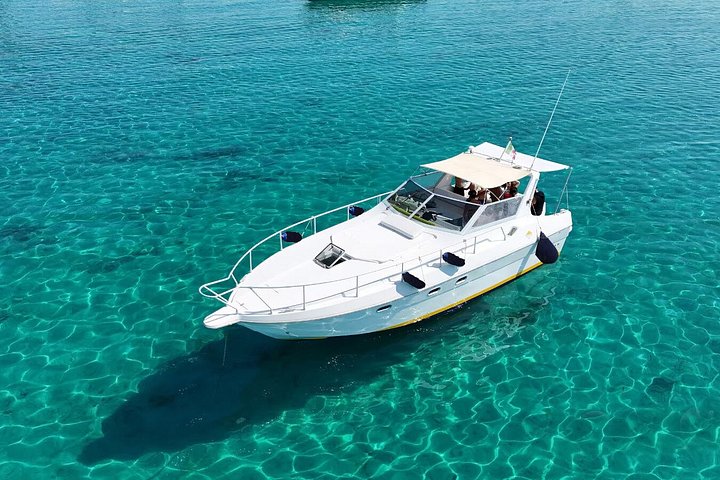
The island of Ortigia is made for boats. A small-boat trip from the harbour circles the old town, passing the castle and the sea walls, then follows the coast to caves and coves near Pillirina and the Plemmirio reserve. Many tours include snorkelling in clear water, and late-afternoon sailings show the golden stone at its best. Ortigia has few sandy beaches, so a boat is the easiest way to swim.
Palermo and Mondello
Palermo is a harbour city, and a sunset boat trip is a calm way to see Monte Pellegrino and the gulf in golden light. Mondello, a beach resort just north of the city, has a wide sandy bay that fills with locals in summer, with cafes, sunbeds and a lively evening scene. It is easy to reach by bus or taxi and makes a good half-day when the city is hot.
The northwest: Scopello and Zingaro
Further west, Scopello is a tiny hamlet with a former tuna station and a cluster of sea stacks just offshore. Nearby, the Zingaro Nature Reserve protects about seven kilometres of unspoilt coast, with trails leading to pebble coves where you can swim. A day trip from Palermo combines both and often ends at sunset near the Marsala salt pans. Take water, a hat and sturdy shoes, as there is little shade.
The Aeolian Islands
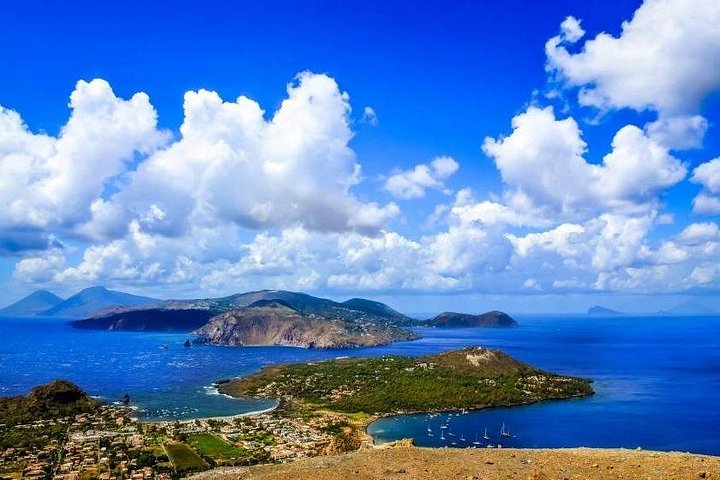
Off the north coast, the volcanic islands of Lipari and Vulcano offer a different kind of swim. Day tours leave from the north coast and Milazzo, with a bus ride around Lipari, a walk to the crater on Vulcano and mud baths or sea swims in warm months. The water is superb, but the schedule is long, so plan it as a full day and check sea conditions.
When to swim
The sea warms gradually. In late spring, it is refreshing but cool, while from July to September it is comfortable. Early autumn is lovely, with warm water, thinner crowds and softer light. Spring boat trips are better for scenery than swimming, and winter is for walking on empty beaches. Always check the forecast, since wind and swell can cancel boat trips at short notice.
What to pack
A swimsuit worn under your clothes saves time, and water shoes help on pebbles and rocks. Bring a towel, sun cream, a hat and a bottle of water. A light layer is useful for the breeze after sunset, and a small dry bag keeps your phone and wallet safe. If you snorkel, bring your own mask if you can. Many small operators supply equipment, but fit and cleanliness vary.
Respect the sea
Many of Sicily's best coves are protected areas, so take your rubbish away, avoid touching marine life and follow signs. Boats are the gentlest way to enjoy fragile places. Choose licensed operators with life jackets, listen to the briefing and leave cliff jumping to the professionals. A day on the water, followed by a plate of grilled fish, is one of the easiest ways to feel Sicily, and it takes very little planning. Whichever stretch of coast you choose, a morning swim followed by a long lunch is the most Sicilian way to spend a day.