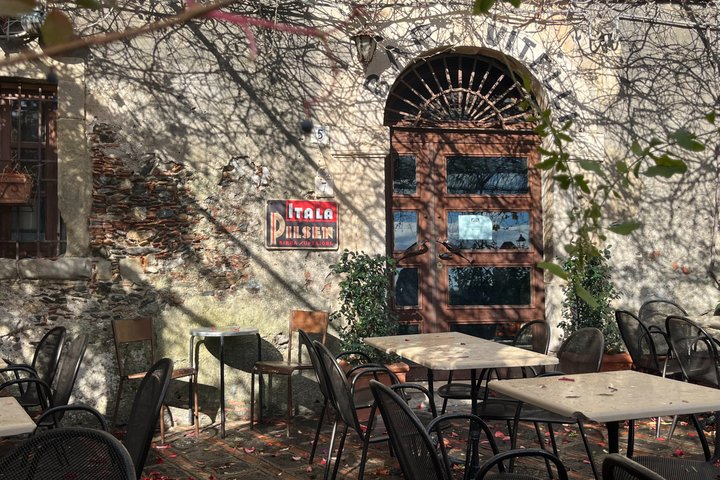
Few islands are as tied to a film as Sicily is to The Godfather. Millions of visitors arrive with a picture in their heads of dusty lanes, black-clad widows and a family that runs everything, and it is natural to want to see the places behind the story. The reality is more interesting and more complicated. The film was shot in only a few Sicilian villages, the town named Corleone is not one of them and the real history of organised crime is told today largely through the people who resisted it. This guide helps you plan a visit that satisfies the film fan and respects the island.
Where the film was shot
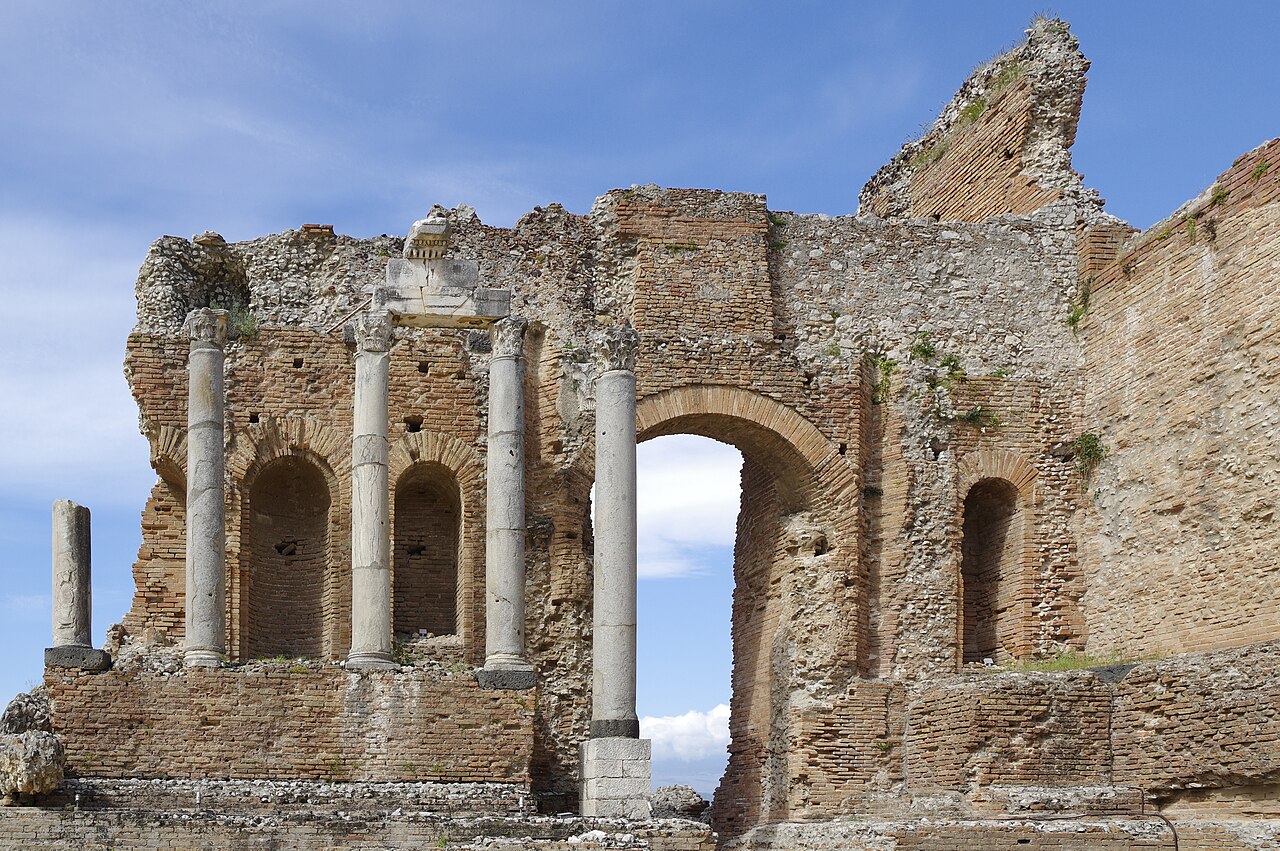
The Sicilian scenes were filmed in the hills above the Ionian coast, near Taormina. Savoca, a walled medieval village, supplied the church of Santa Lucia, where Michael marries Apollonia, and the Bar Vitelli, where he asks her father's permission. Forza d'Agro, a few kilometres away, provided other village settings. A half-day tour from Taormina takes in both with a guide, and there is time to eat a granita in the bar, wander the lanes and enjoy sea views. It is an easy trip if you are already staying in Taormina, and it works well on a day when you want something slower than the Greek Theatre.
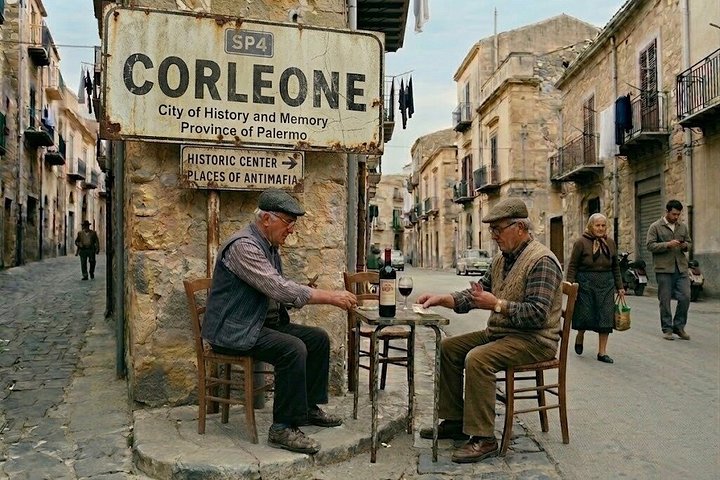
The real Corleone
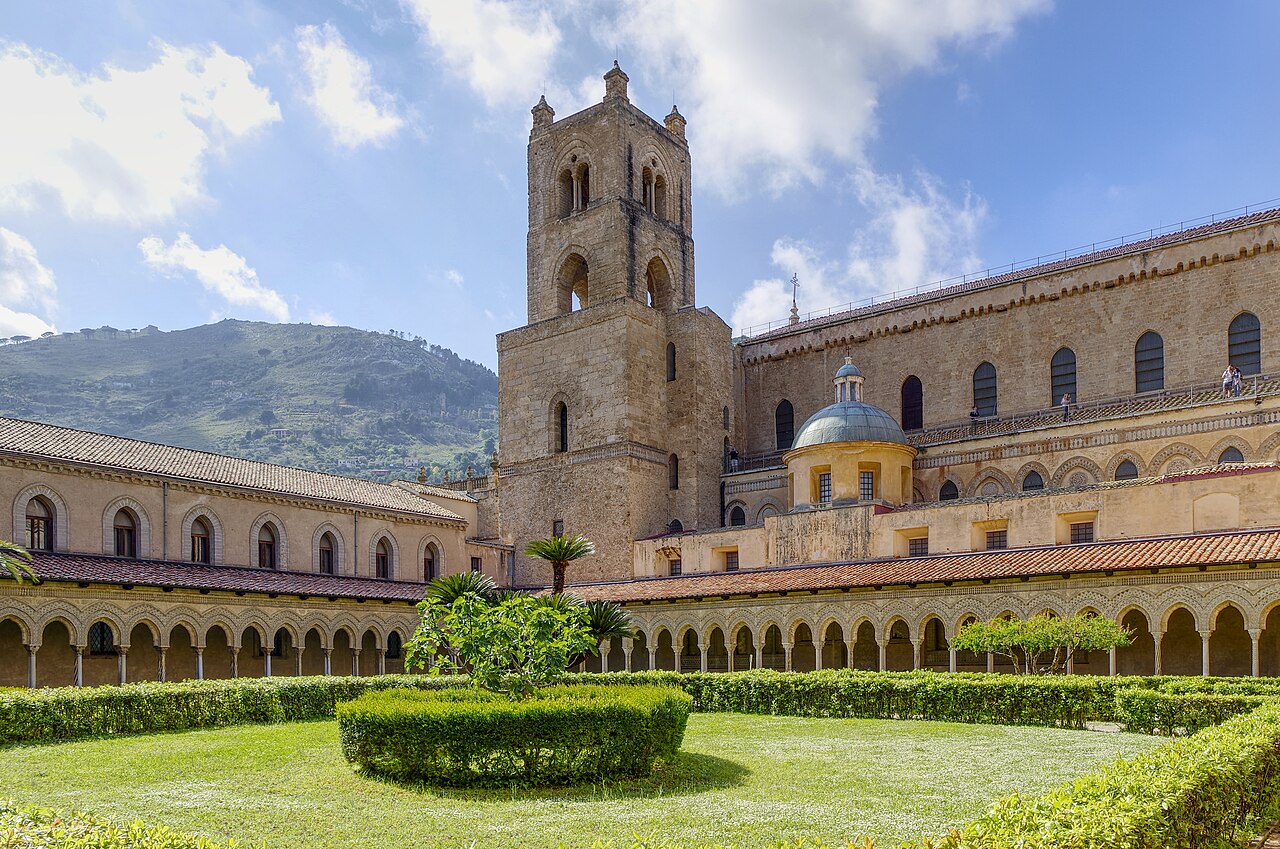
The name comes from the novel, and the town of Corleone, an hour south of Palermo, did not appear on screen. It has its own history, which includes real violence in the twentieth century and a determined recovery since. Day tours from Palermo go there through wheat fields and hills, often adding a stop at Monreale Cathedral on the way. A good guide explains what happened without glamour and introduces the cooperatives that now farm land confiscated from criminals. Go with curiosity rather than a checklist, and you will leave with a more nuanced picture than the film provides.
Palermo and the anti-mafia story
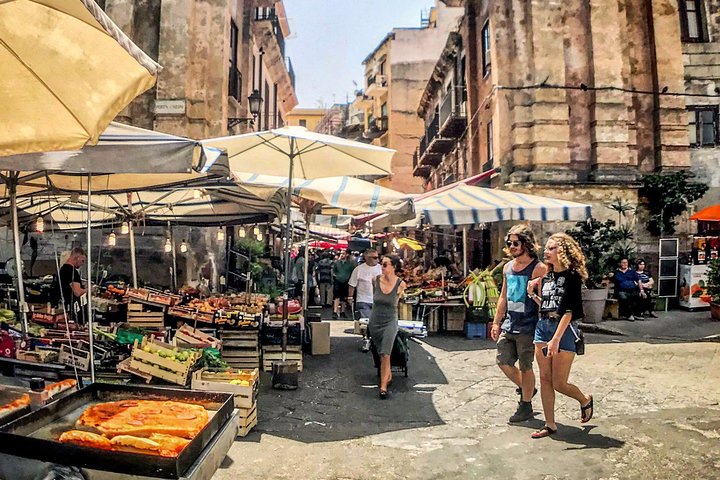
In the city, the most rewarding way to understand the subject is a walking tour that follows the anti-mafia movement. It leads past memorials to the judges Giovanni Falcone and Paolo Borsellino, who were murdered in 1992, past shops that refused to pay protection money and through squares where citizens gathered after the killings. These tours are serious but hopeful, because they show the cultural shift that followed. Good guides are local and often have personal memories of the period. If you take only one thematic tour in Palermo, make it this.
How to combine them
A balanced plan is to spend a morning in Palermo on the anti-mafia walk, an afternoon on the Norman Palace and Palatine Chapel and a separate day on the Corleone and Monreale trip. In the east, do the Savoca tour from Taormina, then add the Greek Theatre or a swim at Isola Bella. For a film-themed itinerary, rewatch the wedding sequence the night before Savoca, and keep Corleone for a day when you want history rather than scenery. Together they give you both the mythology and the reality.
Tone and etiquette
Remember that for many Sicilians the subject is painful, not entertaining. Avoid jokes about families or violence, do not take selfies at memorials and follow the guide's lead on what can be photographed. Locals are generally proud and happy to talk about how the island has changed, so ask open questions rather than leading ones. Dress modestly in churches, including Santa Lucia in Savoca, and carry a little cash for bars and small shops.
Practical tips
The hill villages involve steep lanes and steps, so wear comfortable shoes. The roads are winding, and travellers prone to motion sickness should sit near the front of the minibus. Summer is hot in the villages, and mornings are cooler and quieter. Spring and autumn are the most pleasant seasons. Small tours are better than large coaches in places with narrow streets. If you plan to hire a car, note that parking near the villages is limited and the roads are narrow, and a guided tour removes the stress.
Beyond the film
If the Godfather brings you to Sicily, let it lead you to the rest. Savoca's Capuchin crypt, the lemon groves around Taormina, the almond pastries of the Corso Umberto and the volcano above are all within easy reach. In the west, the salt pans of Trapani and the hilltop town of Erice offer a different landscape altogether. The island rewards a slower pace, a second coffee and a conversation with whoever is sitting at the next table.