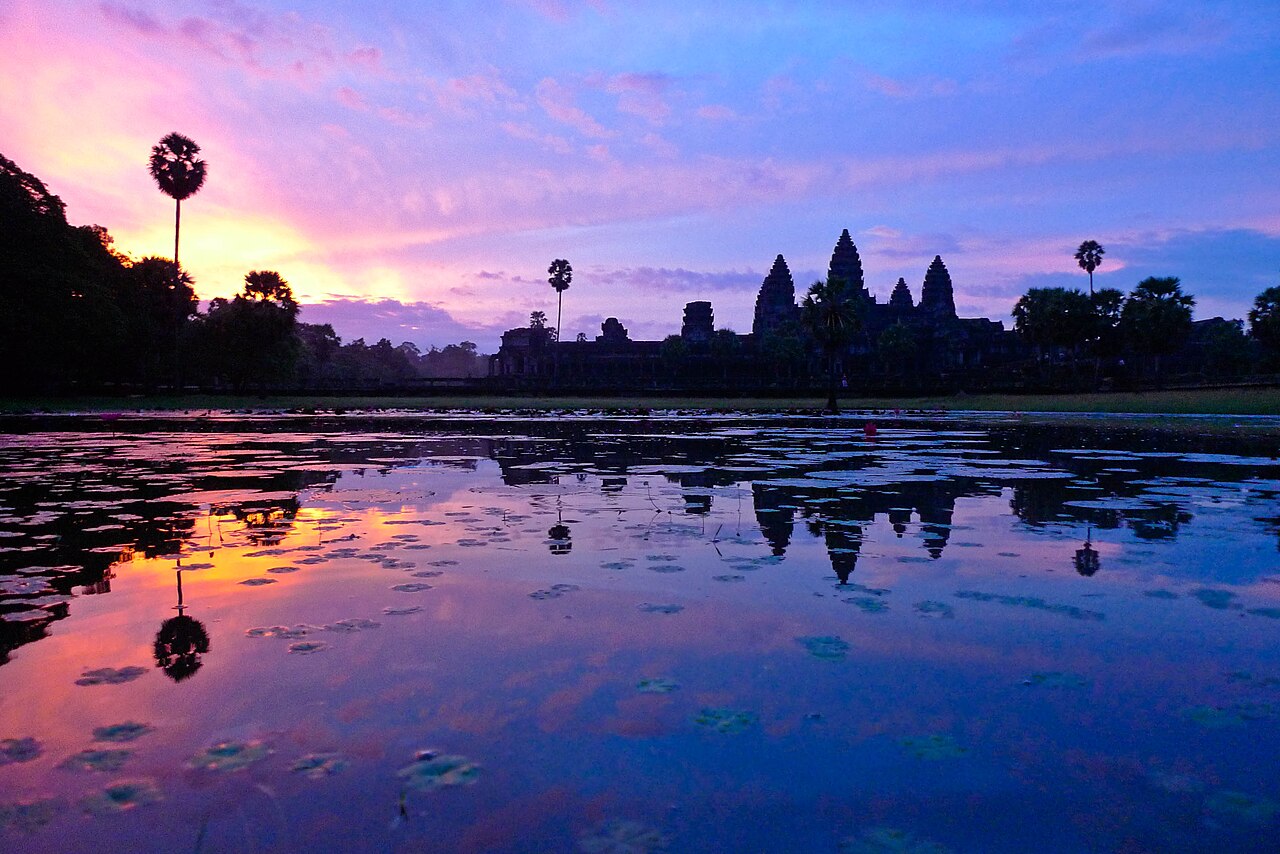
Siem Reap has three broad seasons, and each gives you a different Angkor. The right time for you depends on whether you care most about comfort, crowds, photography or value. The temples are open all year, and there is no month when a visit is a bad idea, but the experience of walking among them changes a great deal with the weather. Here is how to choose.
November to February: the cool, dry season
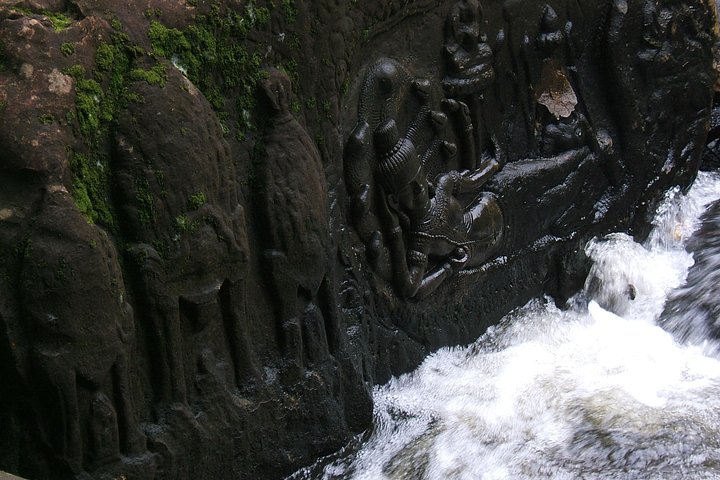
This is the peak season, and for good reason. Skies are clear, humidity is lower and daytime temperatures are the most comfortable of the year, though mornings at Angkor Wat before sunrise can feel surprisingly cool, so carry a light layer. Sunrises are at their most reliable, the roads to Banteay Srei and Phnom Kulen are dry and firm, and the long days of temple walking are easier on your legs. The cost is crowds and prices. Sunrise at Angkor Wat is busy, hotels charge their highest rates and popular tours, the Phare circus and the best restaurants fill up, so book at least a few days ahead. Late in the rainy season and in the first weeks of this period, the Kbal Spean riverbed and the Kulen waterfall are at their best, and the Tonle Sap stilt villages are still surrounded by high water.
March to May: the hot season
Temperatures climb steeply and the heat can be fierce by midday, regularly reaching the mid-thirties Celsius or higher with high humidity. Landscapes turn dry and dusty, and the Tonle Sap shrinks dramatically, leaving stilt houses standing high above bare mud. The advantages are thinner crowds and lower hotel prices. If you come then, plan your temple visits for the early morning, retreat to a pool or the air-conditioned Angkor National Museum in the middle of the day and return to the ruins in the late afternoon. Drink water constantly, wear a hat and pace yourself. Khmer New Year in mid-April is a lively time to be in Cambodia, with water-throwing and family gatherings, but some businesses close and domestic travel is heavy, so book ahead if you plan to visit then.
June to October: the green season
The rains arrive from around May or June and usually take the form of heavy afternoon or evening downpours rather than all-day drizzle, leaving the mornings clear. The countryside turns brilliant green, the rice paddies glow in the light, the waterfalls on Phnom Kulen and at Kbal Spean flow strongly, and the temples are quieter, with trees and moss looking their best at Ta Prohm and Beng Mealea. Hotels and tour operators offer lower rates, and you will often have the galleries of Angkor Wat to yourself. The trade-offs are humidity, occasional cancelled sunrise views when clouds roll in, and muddy tracks on the more remote routes, so allow flexibility. Pack a light rain jacket or a poncho, quick-drying clothes and shoes that can handle puddles.
The Tonle Sap lake
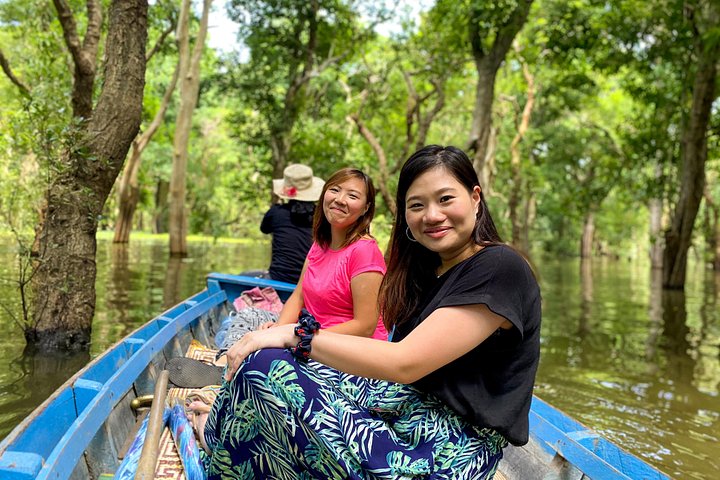
The lake’s size changes more than any other feature in the region. It swells enormously in the wet season as the Mekong’s flow reverses and pushes water up the Tonle Sap River, and it shrinks again through the dry months. Roughly from September to December the water is high, and boats can reach the flooded forest at Kompong Pluk and move easily between the houses of Kampong Khleang. From about February to May the water is low and the houses stand at full height on their stilts, which is a striking sight in its own right, but boats may need to travel further to reach open water. Both versions are worth seeing, and operators can tell you the current boat routes.
Choosing by priority
If comfort and reliable weather matter most, choose November to January. If you want fewer people and better value and do not mind the heat, choose the shoulder months of late October, early November or the start of the rainy season in May and June. If photography is your priority, the green season brings dramatic skies and lush colour, while the cool season gives the clearest sunrises. If you are travelling with young children, the cooler months are kinder, although a well-planned early start works at any time of year.
Practical tips for any season
Start early, since the temples open at 5:00 and the best light and the lowest temperatures come in the first hours. Carry water, sunscreen, a hat and insect repellent. Cover shoulders and knees at temples, and bring a light scarf. Buy your Angkor Pass in advance, and remember that a pass dated for the next day lets you in from the late afternoon of the day before for a free sunset. Wherever you stay, a hotel with a pool is worth its weight in gold between the morning and afternoon temple sessions, and many hotels will pack breakfast boxes for a pre-dawn start.
A simple rule of thumb
For a first trip, aim for November to February and book early. For a quieter, greener and cheaper trip, consider June to October and accept a daily shower. For the lowest crowds and a hardy attitude to heat, March to May works if you structure each day around the early morning and late afternoon. Whenever you come, Angkor rewards patience, and the best moments are often the quiet ones away from the headline temples, whether that is a corridor at Preah Khan, a village road on a Vespa tour or a lake sunset at a stilt village.