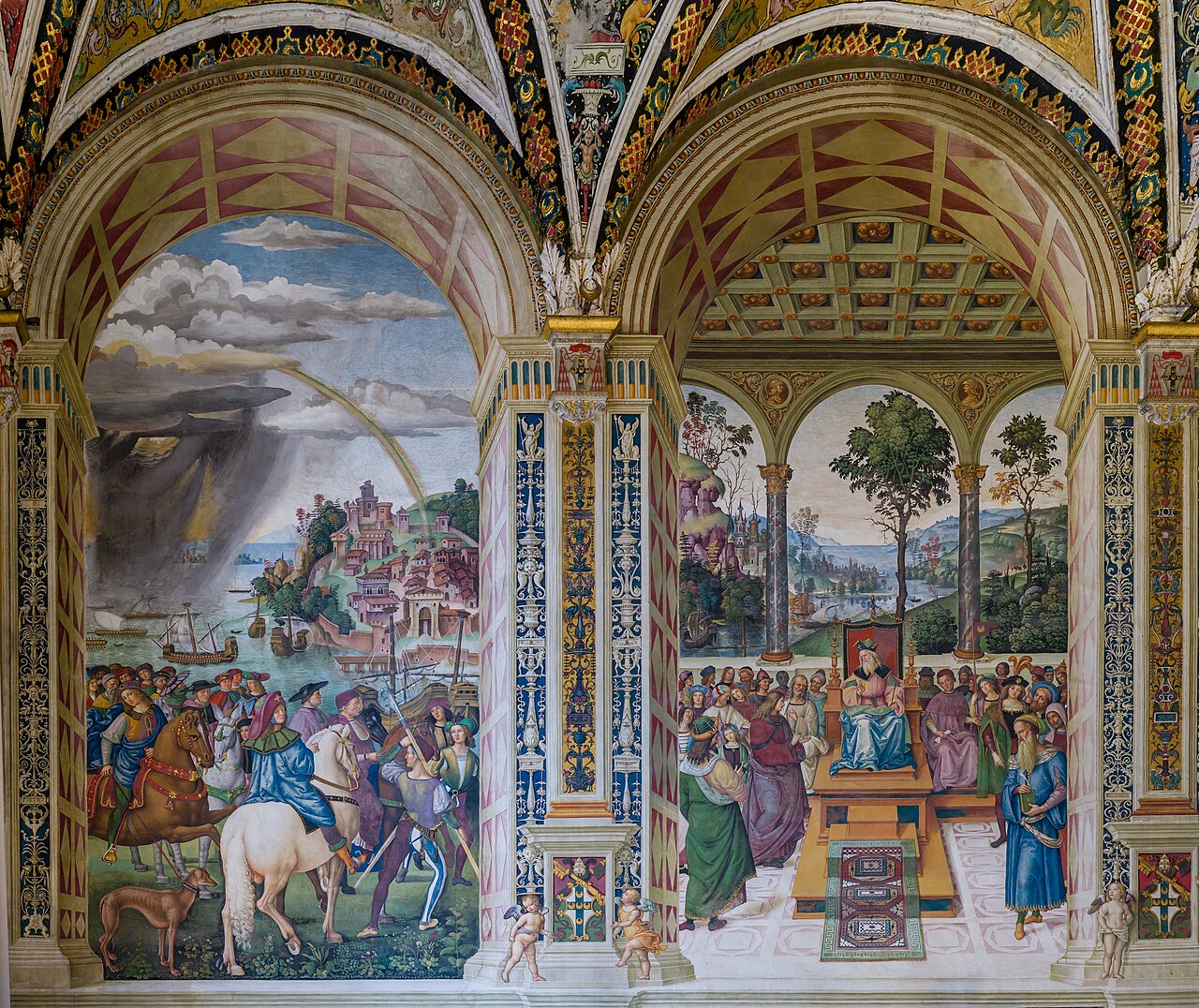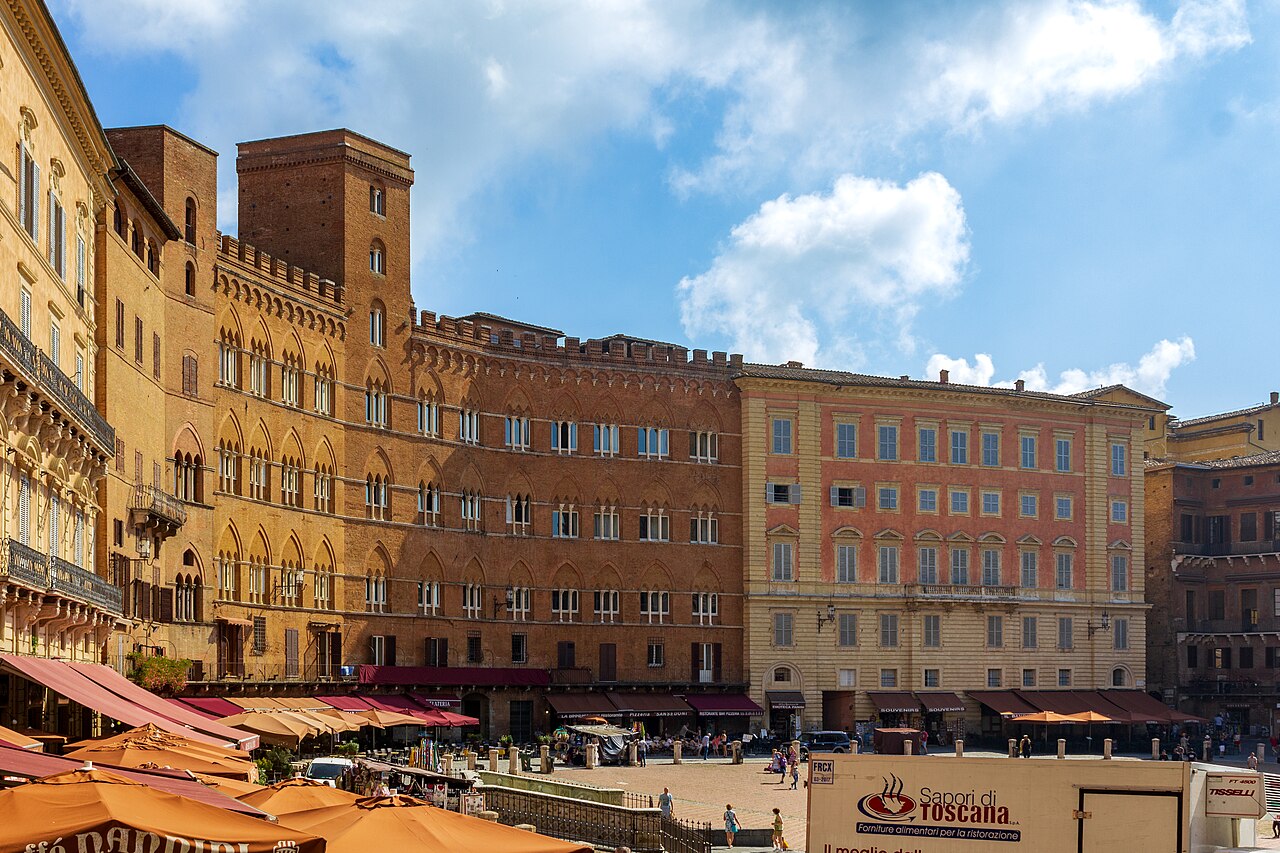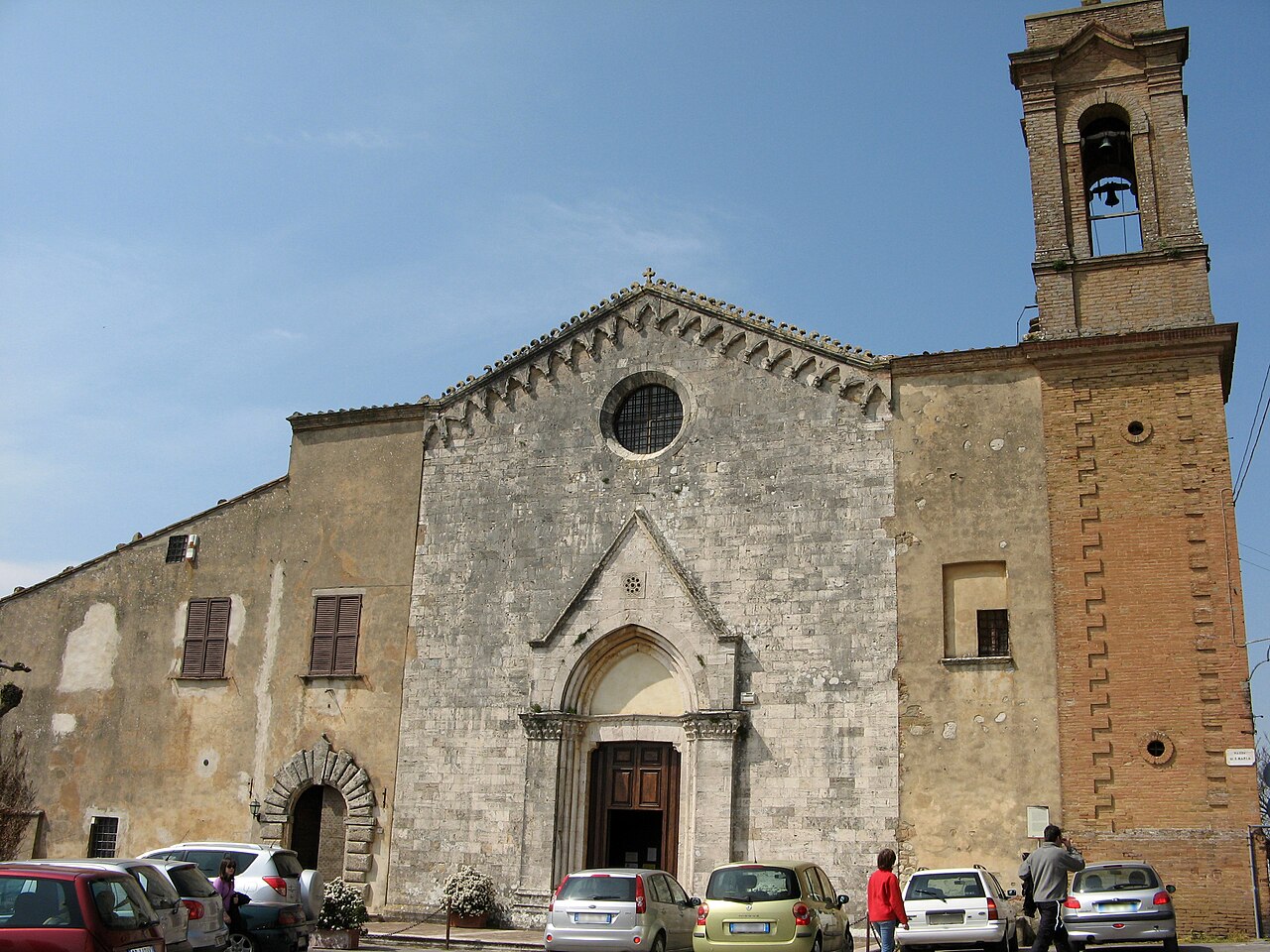
Santa Maria della Scala sits opposite the cathedral steps and was a hospital for pilgrims, the poor and abandoned children for centuries, one of the oldest of its kind in Europe. Today it is a museum complex, and it is a quieter and often cheaper alternative to the busiest sights in the centre. The main hall, the Pellegrinaio, is covered with fifteenth-century frescoes showing the daily life of the hospital, from the care of the sick to the distribution of alms. Other parts of the complex hold an archaeological museum in underground passages, art collections, a chapel and temporary exhibitions. The original statues from the Fonte Gaia in Piazza del Campo are kept here, away from the weather. Timed tickets are sold online.
Winter opening hours
From 1 November to 14 March the museum opens from ten until five on Monday, Wednesday, Thursday and Friday, with last admission at a quarter past four. On Saturday, Sunday and holidays it opens from ten until seven, with last admission at a quarter past six. It is closed on Tuesdays in winter and on 25 December. Check the museum's current notices for early closing days around the Palio in summer.
Tickets and passes
A full ticket costs a modest amount, with reductions for young people and seniors, and children under eleven go free. A combined municipal ticket with the Civic Museum is valid for two days, and a larger combined ticket adds the Torre del Mangia. Sales of combined tickets that include Santa Maria della Scala are suspended on the first weekend of each month, so buy single tickets on those days. The whole museum route is accessible, though the lifts and some passages need a member of staff.
How to use it
The complex is large, with several floors and many corridors, so pick a few areas rather than trying to see everything. It is a good wet-day choice, and the cafe and shop sit near the entrance. Give it at least ninety minutes, and longer if you enjoy archaeology. Start at the Pellegrinaio, which is the single most impressive room, and follow the signs down to the underground levels.
What to expect
The experience
A self-guided route through a large museum complex that includes frescoed halls, underground passages and art collections, entered opposite the cathedral steps.
Best time
Visit in the middle of the day when the cathedral queues are longest, or on a rainy afternoon.
How long
Plan ninety minutes to three hours, depending on how many sections you choose to see.
Tips
Remember that it is closed on Tuesdays in winter, start with the Pellegrinaio frescoes, and note that combined tickets are not sold on the first weekend of the month.
Quick picks
- Best for
- History and art lovers and anyone who wants a quieter alternative to the busiest sights.
- Families
- The underground passages and the fresco stories hold children's interest if the visit is kept short.
- Couples
- A calm, atmospheric pairing with the cathedral across the square, followed by a late lunch nearby.
- Pair with
- Siena Cathedral, the Palazzo Pubblico and Piazza del Campo.
- Time needed
- Two hours is a good plan.
Good questions
When is Santa Maria della Scala closed?+
In winter it is closed on Tuesdays, and also on 25 December. The winter hours run from 1 November to 14 March.
What are the winter opening hours?+
On Monday, Wednesday, Thursday and Friday it opens from ten until five. On Saturday, Sunday and holidays it opens from ten until seven.
Can I buy a combined ticket with the Civic Museum?+
Yes, a combined municipal ticket with the Civic Museum is valid for two days. Sales of combined tickets that include this museum are suspended on the first weekend of each month.
What is the Pellegrinaio?+
It is the main hall of the old hospital, covered with fifteenth-century frescoes about the work of the hospital. It is the single room not to miss.
Is it accessible for wheelchair users?+
The whole museum route is accessible, with wheelchairs available on request. Some lifts and passages can be used only when accompanied by staff, so ask at the desk.